Residents burn an Ebola treatment center in DR Congo as anger grows over the outbreak
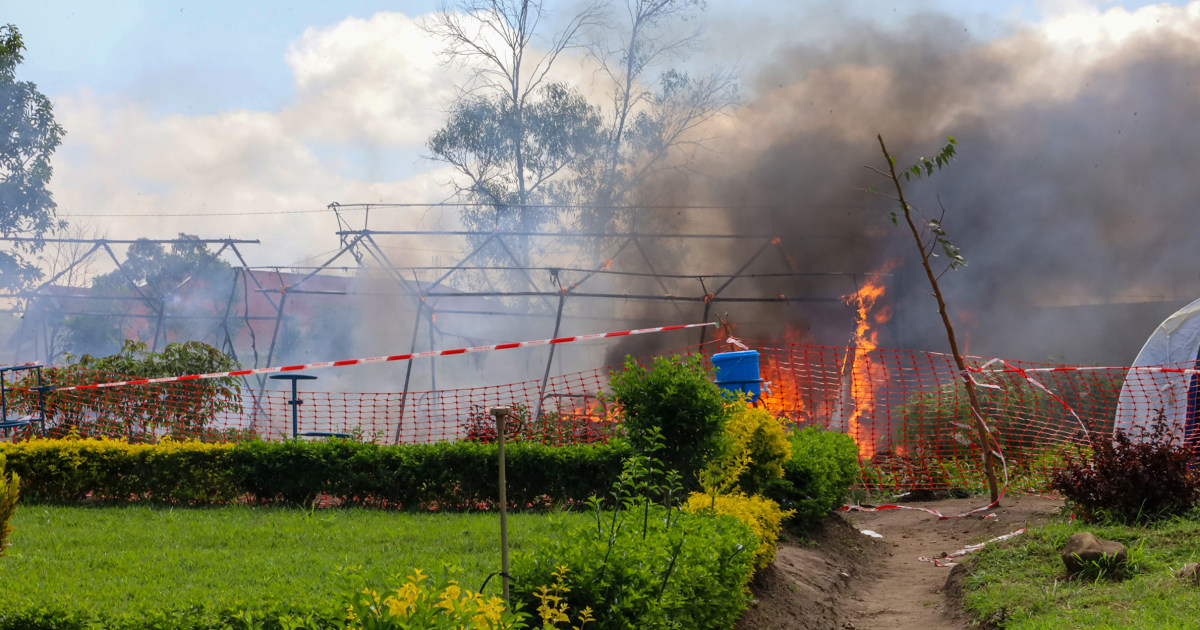
A treatment center in Rwampara, Congo, was burned by locals after authorities prevented them from retrieving the body of a man suspected of dying from Ebola, escalating tensions amid an outbreak with 82 confirmed cases and 750 suspected infections. WHO Director-General Tedros Adhanom Ghebreyesus warned the outbreak poses a 'very high' risk within Congo, though global spread remains low, as aid agencies struggle with resistance and limited resources in conflict-affected regions.
A treatment center in Rwampara, Democratic Republic of the Congo, was set ablaze by local youths on Thursday after authorities blocked them from taking the body of a friend suspected of dying from Ebola. The incident reflects growing anger and distrust toward health protocols, which clash with local burial customs, as the disease spreads in a region already strained by armed conflict and inadequate medical facilities. The attack occurred when police intervened to prevent the removal of the body, a move that sparked frustration among the community. Witnesses told The Associated Press that youths became enraged after being denied access, leading them to torch the center and flee. Aid workers, including teams from the humanitarian organization ALIMA, had to evacuate the facility amid the chaos. Deputy Senior Commissioner Jean Claude Mukendi confirmed that the youths were unaware of Ebola burial regulations, which require bodies to be handled by authorities to prevent further transmission. The World Health Organization (WHO) later reported that the outbreak, now classified as a 'very high' risk within Congo, has seen 82 confirmed cases and seven deaths, though officials estimate the true numbers are far higher, with nearly 750 suspected cases and 177 suspected deaths. WHO Director-General Tedros Adhanom Ghebreyesus emphasized that the global risk remains low, but the situation in Congo demands urgent action. Aid supplies are being rushed to Ituri Province, where displacement and conflict have worsened the crisis. The incident underscores the challenges faced by health workers balancing public safety with cultural sensitivities in a fragile region.
This content was automatically generated and/or translated by AI. It may contain inaccuracies. Please refer to the original sources for verification.