'Restraint is over': Iran vows to respond to U.S. attacks, as drones target Gulf vessels
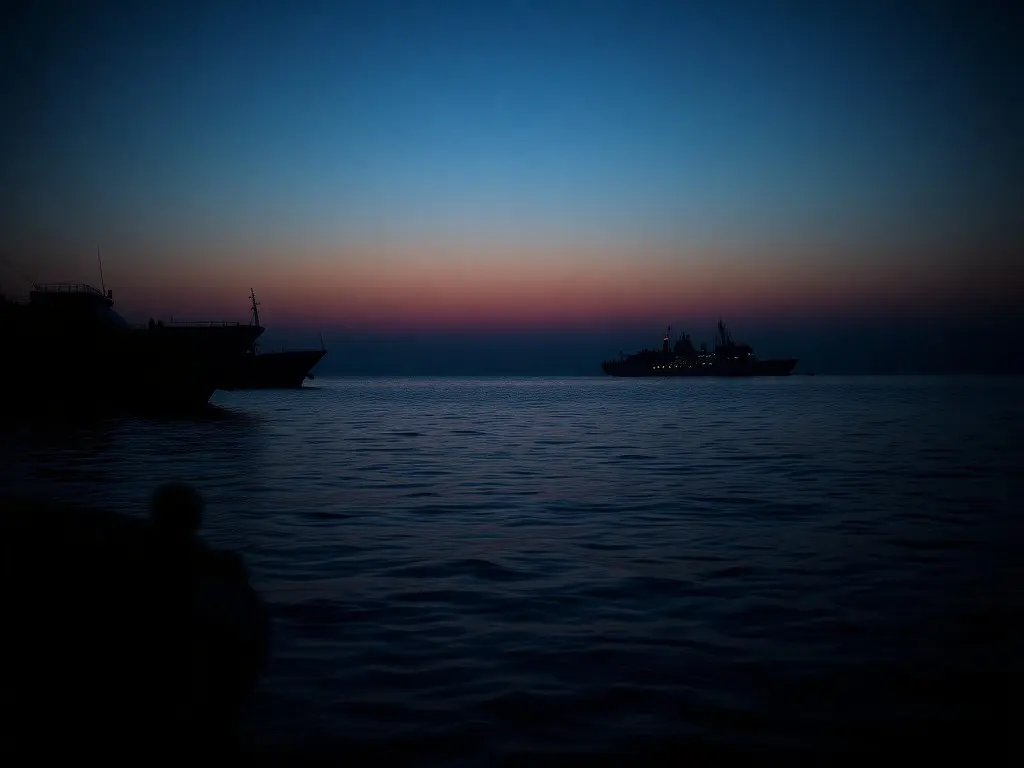
Iran vowed to retaliate against U.S. ships and bases after drones targeted Gulf vessels, including a U.S.-flagged freighter near Qatar, escalating tensions amid a fragile ceasefire. The UAE and Kuwait reported drone attacks, while Tehran’s military chief received new directives from Supreme Leader Mojtaba Khamenei to confront perceived U.S. aggression in the Strait of Hormuz.
Iran’s parliamentary security officials declared that any attack on its vessels would trigger a ‘strong and decisive response’ against U.S. ships and bases. On Sunday, drones struck a freighter near Qatar’s Mesaieed port, with the UK Maritime Trade Operations centre confirming a small fire that was extinguished without casualties or environmental impact. Iranian state media claimed the vessel was U.S.-flagged, while the Iranian parliament’s national security spokesman, Ebrahim Rezaei, stated, ‘Our restraint is over as of today.’ The UAE accused Iran of launching drones from its territory, with its air defense systems successfully intercepting two unmanned aerial vehicles (UAVs). Kuwait also reported detecting hostile drones in its airspace, which were neutralized. South Korea’s defense ministry confirmed a cargo vessel, the HMM Namu, was hit by unidentified aircraft in the Strait of Hormuz on May 4, causing flames and smoke before it reached Dubai. Tensions escalated after the U.S. Navy disabled two Iran-flagged vessels in the Gulf of Oman on Friday, prompting Iran’s Revolutionary Guards (IRGC) to threaten retaliation against U.S. interests in the region. Iran has previously restricted traffic in the Strait of Hormuz, a critical route for global oil and gas shipments, while the U.S. Navy has imposed a blockade on vessels heading to and from Iranian ports. Iran’s military chief, Ali Abdollahi, met Supreme Leader Mojtaba Khamenei and received new directives to continue operations against perceived enemies. The U.S. is awaiting Iran’s response to a proposed deal to extend a ceasefire and enter peace negotiations, though no official reply has been received from Pakistani mediators, as previously expected by former U.S. President Donald Trump. The recent drone attacks and threats mark a sharp deterioration in relations, with both sides exchanging warnings and taking direct military actions in the Gulf region. Analysts warn of a potential broader conflict if diplomatic efforts fail to de-escalate the situation.
This content was automatically generated and/or translated by AI. It may contain inaccuracies. Please refer to the original sources for verification.