Rethinking Construction Safety in the Age of Robotics and Physical AI
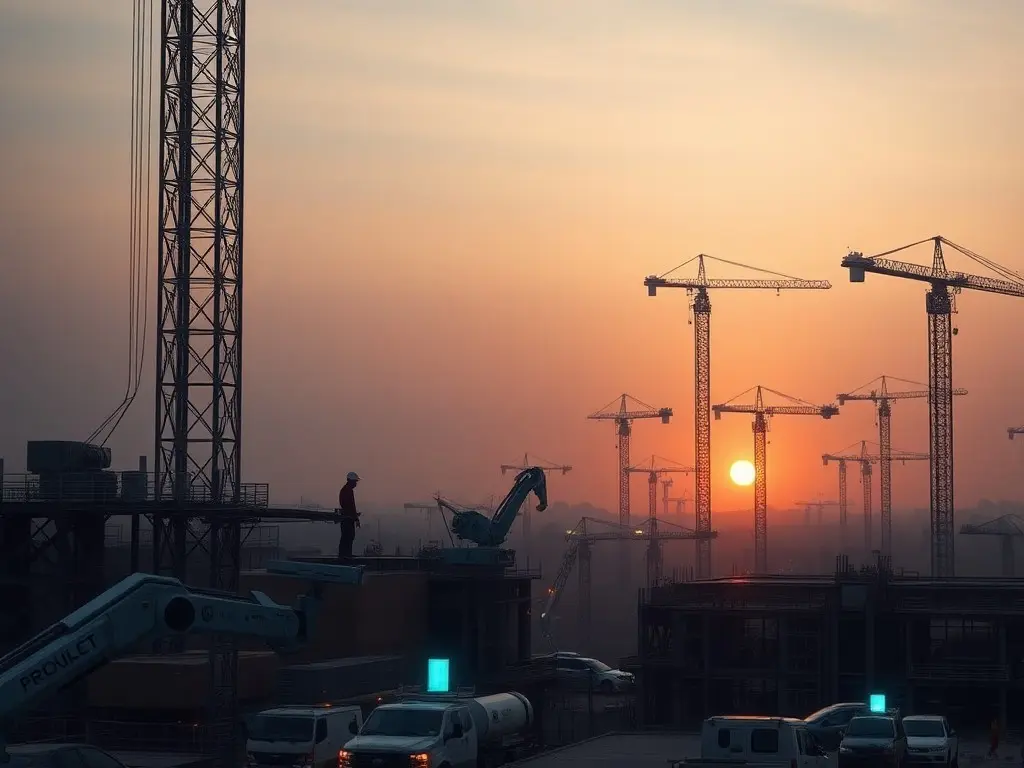
The construction industry faces labor shortages and safety risks, with over 349,000 additional workers needed by 2026, driving adoption of automation and robotics to reduce human exposure to hazards. However, integrating diverse autonomous machinery from multiple manufacturers presents challenges in coordination, safety protocols, and cybersecurity risks on worksites.
The construction industry is projected to require 349,000 more workers by 2026 to meet infrastructure demands, but labor shortages and safety concerns are pushing the sector toward automation. Remote-controlled and teleoperated equipment, such as excavators and bulldozers, already reduce risks by allowing operators to work from safe distances, minimizing falls and collisions. Robots are also handling repetitive tasks like bricklaying and heavy lifting, cutting fatigue-related injuries while improving efficiency. Yet, these advancements demand updated safety infrastructure, including wearable e-stops and real-time communication networks, to ensure seamless human-machine collaboration. As autonomy advances, worksites will feature machines from multiple manufacturers, each with different safety protocols and operational boundaries. Without a unified coordination system, these machines risk miscommunication, leading to accidents or costly downtime. Cybersecurity also becomes a critical concern as network-connected equipment expands. Industry experts warn that the lack of standardized safety frameworks could hinder progress, emphasizing the need for interoperable systems to manage diverse autonomous tools. The transition to smarter construction relies on balancing innovation with robust safety measures to protect workers and optimize productivity.
This content was automatically generated and/or translated by AI. It may contain inaccuracies. Please refer to the original sources for verification.