Rewriting Dinosaur Evolution: Scientists Unearth Remarkable 150-Million-Year-Old Stegosaur Skull
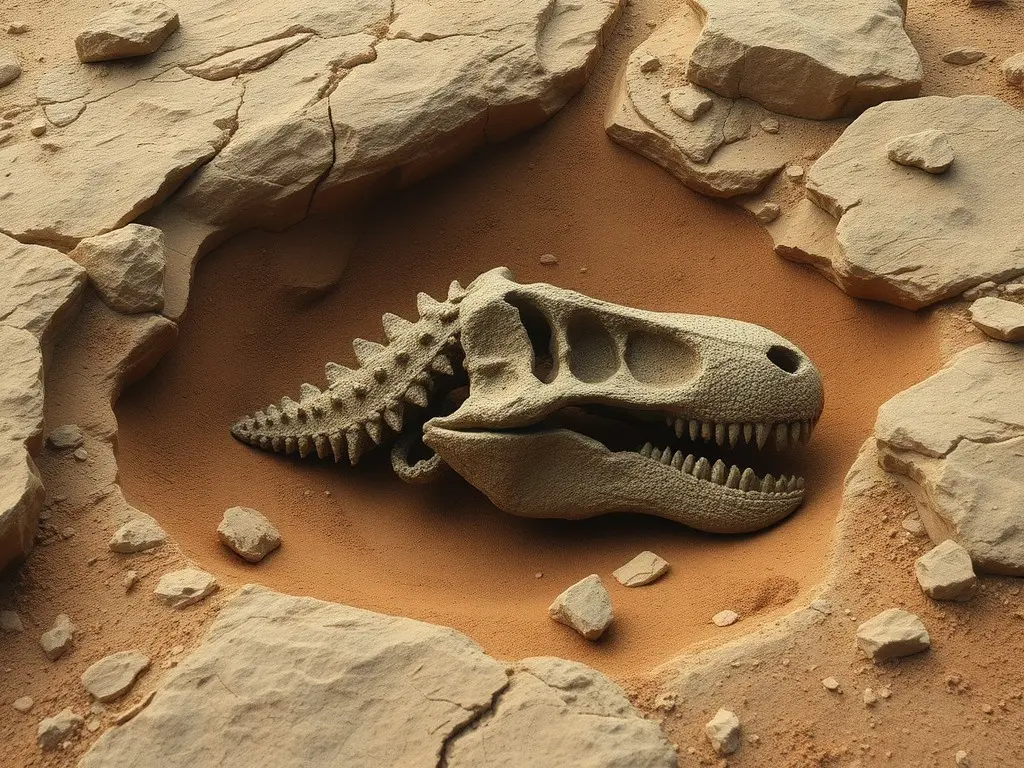
A 150-million-year-old stegosaur skull discovered in Spain has provided new insights into the anatomy and evolution of Europe's iconic armored dinosaurs. The fossil, belonging to Dacentrurus armatus, has revealed previously unknown aspects of stegosaur skull anatomy and evolution.
Paleontologists have discovered a rare 150-million-year-old stegosaur skull in Spain, shedding new light on the anatomy and evolution of Europe's iconic armored dinosaurs. The fossil, found at the 'Están de Colón' site in Riodeva, Teruel, belongs to Dacentrurus armatus, a European stegosaur first described in 1875. The skull preserves the back portion of the skull roof, including parts of several bones, and features a previously unknown supraoccipital bone angle. Researchers used the fossil to build a new evolutionary analysis of stegosaurs, dividing them into two major branches and introducing a new group called Neostegosauria. The analysis supports the idea that some Asian stegosaurs survived into the Early Cretaceous and challenges the classification of certain stegosaur species. The discovery is significant, as stegosaur skulls are rare due to their fragile bones, and this find has helped to reshape ideas about stegosaur evolution and spread.
This content was automatically generated and/or translated by AI. It may contain inaccuracies. Please refer to the original sources for verification.