Rising global costs threaten Mexico’s production costs and food stability
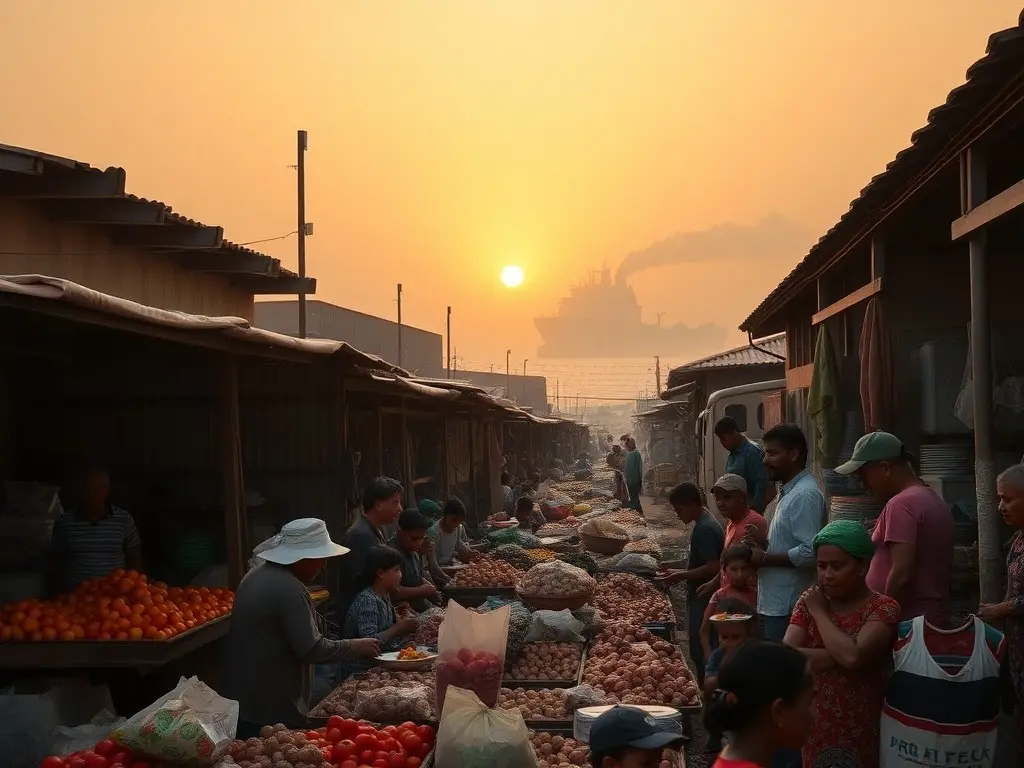
Rising global fuel and fertilizer costs, exacerbated by shipping disruptions in the Strait of Hormuz and the US-Israel conflict, are driving up food prices in Mexico, forcing low-income households to cut spending on essentials like tomatoes, beef, and potatoes. Inflation for basic food baskets surged 8.1% in March, while Mexico’s GDP contracted by 0.8% in Q1, deepening economic strain on informal laborers and vulnerable families.
Mexico’s food prices are rising sharply due to global cost pressures, pushing low-income households to reduce consumption. Staples like tomatoes, potatoes, beef, and chili peppers have seen steep price hikes at markets such as Monterrey’s Mercado de Abastos, where vendors report shrinking profit margins. Rising fuel and fertilizer costs, driven by shipping disruptions in the Strait of Hormuz and the US-Israel conflict, are increasing production expenses for Mexican farmers. The Mexican Meat Council reports beef prices rose 16.5% in January, compounded by tariff changes on imports from Brazil and Argentina, as well as a screwworm outbreak disrupting trade. Meanwhile, the national statistics agency, INEGI, recorded 12-month inflation at 4.45% in April, with food inflation hitting 8.1%—far outpacing general price increases. Low-income families, spending nearly 70% of their earnings on food, face severe budget cuts, according to Elvira Pasillas, a professor at ITESO. Economic stagnation is worsening, with Mexico’s GDP falling by 0.8% in the first quarter, while informal labor remains high at 54.8%. Households like Guillermina Delgado’s, where a construction worker supports the family, are rationing groceries to cope. Rising logistics costs from energy price hikes further strain supply chains, affecting food availability and affordability. Experts warn that food insecurity is deepening, particularly for vulnerable populations. The combination of high inflation, stagnant wages, and supply chain disruptions threatens nutritional stability, forcing families to prioritize survival over long-term economic planning.
This content was automatically generated and/or translated by AI. It may contain inaccuracies. Please refer to the original sources for verification.