Robots can enhance manufacturing workers rather than replace them
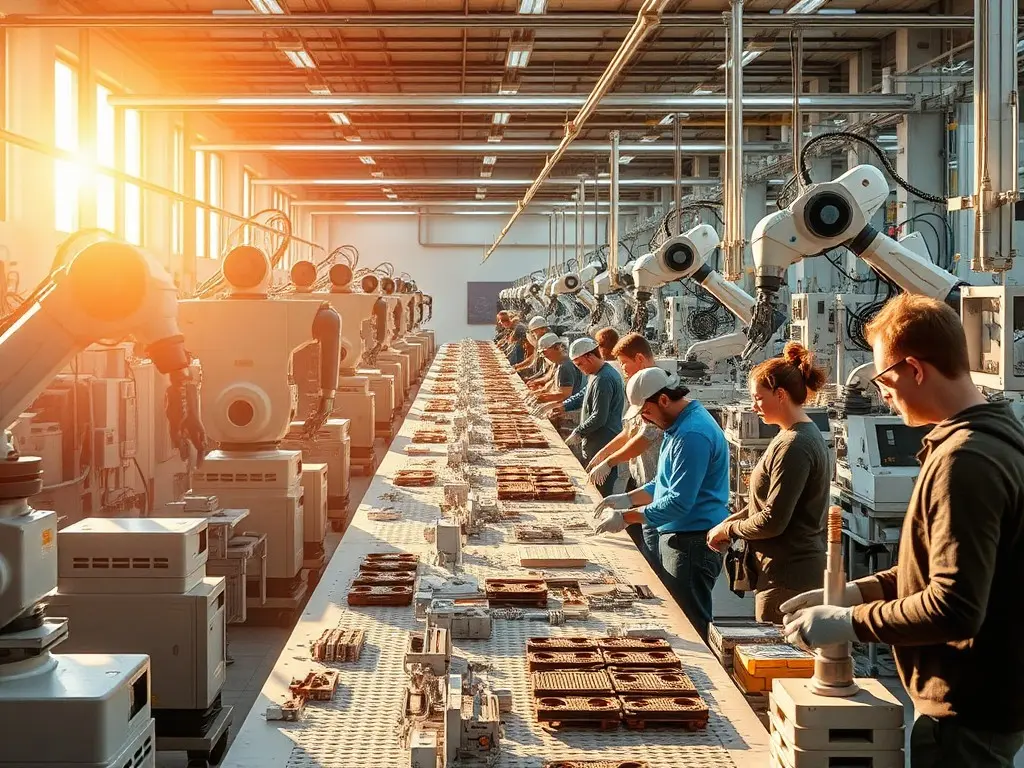
Japan’s use of robots in manufacturing highlights how automation can integrate disabled workers into the workforce rather than replace them, challenging the common belief that robots eliminate jobs. The International Federation of Robotics reports a doubling of global factory robot installations in a decade, with over half of manufacturers adopting robots primarily for quality improvement rather than labor replacement.
Japan’s adoption of robots in manufacturing is reshaping workforce dynamics, proving automation can include rather than exclude workers. Remote-controlled robots in robot cafes, operated by people with disabilities, demonstrate how technology can bring marginalized individuals into the workplace. This contrasts with the widespread fear that robots will replace human labor, a concern the International Federation of Robotics (IFR) counters with data: 542,000 robots were installed globally in 2024—more than double the number installed a decade ago. The shift in perspective emphasizes robots as tools for quality improvement, with 53% of global manufacturers adopting them to enhance production rather than cut jobs. Experts argue manufacturers should focus on integrating AI into processes, expanding workforce participation, and preparing for automation rather than debating whether AI will replace humans. The key questions revolve around process optimization, workforce inclusion, and infrastructure readiness for AI-powered systems. Full automation remains unfeasible due to technical and data challenges. Manufacturing relies heavily on manual processes, with 70% of manufacturers still capturing data manually, creating significant gaps in digital infrastructure. Two major hurdles persist: capturing the *why* behind workers’ actions—not just the *what*—and translating human expertise into robotic execution. While motion sensors and generative AI have advanced, replicating instinctual, long-honed skills remains difficult, as factory workers’ tacit knowledge is often unrecorded. Bridging this knowledge gap is critical for advancing autonomous robotics. Current systems lack the foundational data and IT frameworks to support fully autonomous operations, which go beyond basic task execution. Reconfiguring workflows and digital ecosystems from the ground up is essential to make them AI and robot-ready. This transformation cannot occur without human input, as strategic thinking and problem-solving will define the future of manufacturing. The evolution of the manufacturing labor pool hinges on digital transformation that prioritizes human collaboration with technology. Skills like strategic planning and adaptability will become increasingly vital as industries modernize. Japan’s approach—using robots to empower workers rather than replace them—offers a model for balancing innovation with workforce inclusion in an era of rapid technological change.
This content was automatically generated and/or translated by AI. It may contain inaccuracies. Please refer to the original sources for verification.