S. Korea prepares roadmap for nuclear-powered submarine program after Pacific submarine deployment
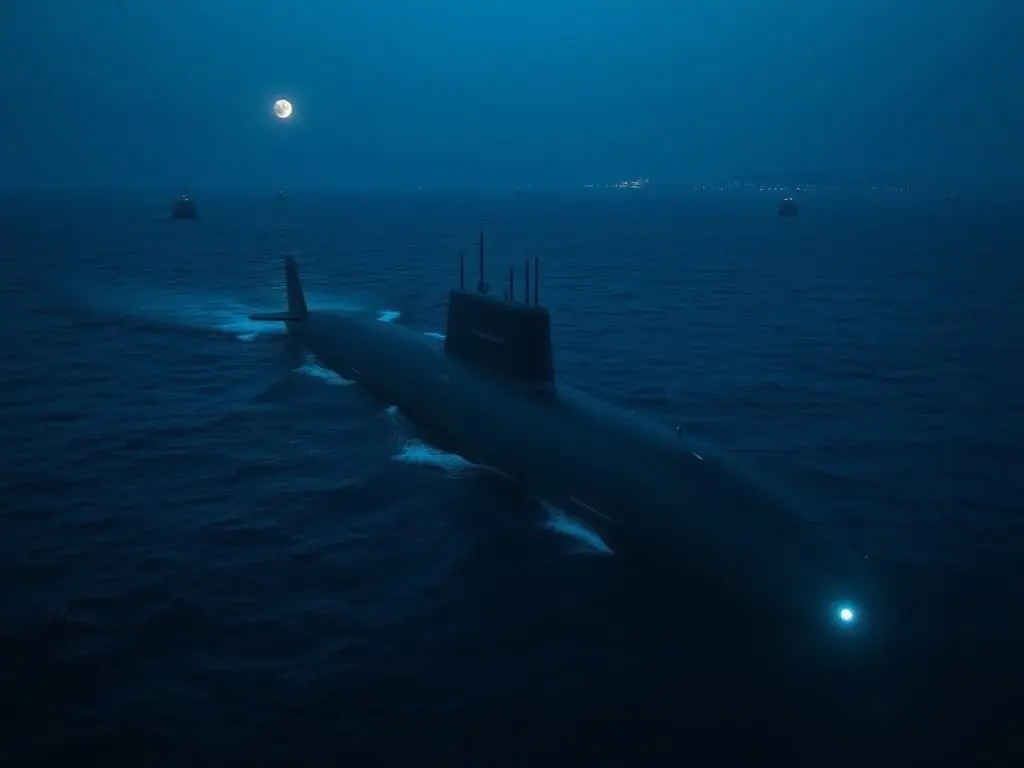
South Korea is preparing to unveil a roadmap for a nuclear-powered attack submarine program, citing advancements in its domestically built Dosan Ahn Chang-ho submarine and North Korea’s nuclear threats. The move aims to bolster regional maritime deterrence while maintaining compliance with non-nuclear weapons policies, with technical reviews completed and diplomatic coordination underway with the U.S.
South Korea’s Ministry of National Defense and the Defense Acquisition Program Administration have finalized technical reviews for a nuclear-powered submarine program, marking a shift toward diplomatic and regulatory coordination. The decision follows the successful Pacific deployment of the Dosan Ahn Chang-ho submarine, which traveled 14,000 kilometers using domestically developed propulsion systems, including air-independent technology and vertical launch tubes for submarine-launched ballistic missiles. Officials emphasized the deployment demonstrated the vessel’s endurance and hull durability, while also highlighting the operational limits of conventional diesel submarines compared to nuclear propulsion. Nuclear-powered submarines can remain submerged indefinitely and travel faster underwater, offering broader strategic flexibility. Chung Sung-chang, head of the Korea Nuclear Strategy Forum, confirmed the submarine will be a non-nuclear attack vessel retaining the Dosan Ahn Chang-ho’s hull design and missile capabilities but replacing diesel engines with a small nuclear reactor. South Korea plans to publicly present its development roadmap before negotiating a bilateral cooperation agreement with the U.S. and securing congressional approval. The process may involve studying the AUKUS partnership, which enabled Australia to access nuclear submarine technology without violating nonproliferation norms. South Korean officials also noted the need for a separate agreement with the U.S. to obtain low-enriched uranium fuel for naval reactors. The program aims to strengthen South Korea’s conventional deterrence against North Korea’s advancing nuclear and missile programs while addressing regional maritime competition. The successful Dosan Ahn Chang-ho deployment has reportedly proven the country’s technical readiness, shifting focus to international coordination.
This content was automatically generated and/or translated by AI. It may contain inaccuracies. Please refer to the original sources for verification.