S. Korea targets deployment of nuclear-powered submarines in late 2030s
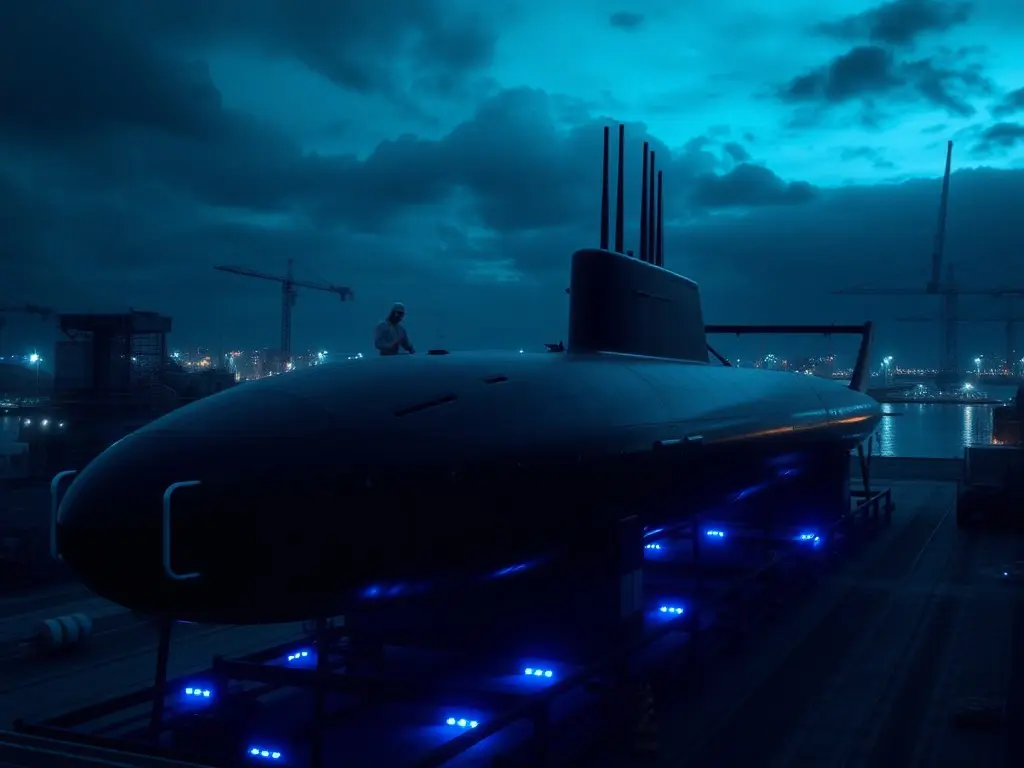
South Korea announced plans to domestically develop and deploy its first nuclear-powered submarine by the late 2030s, aiming to strengthen military independence and defense industry capabilities. The initiative, discussed at a Future Defense Strategy Committee meeting in Jinhae, follows U.S. support for the program and aligns with goals to regain wartime operational control from the United States.
South Korea’s government revealed plans on May 26 to launch its first nuclear-powered submarine in the mid-2030s and deploy it by the late 2030s. The announcement came during the inaugural meeting of the Future Defense Strategy Committee in Jinhae, South Gyeongsang Province, attended by President Lee Jae-myung. The submarines will be domestically developed using low-enriched uranium fuel (below 20% enrichment) to extend operational cycles without frequent refueling. Defense Minister Ahn Gyu-back briefed Lee on the plan, which aims to enhance South Korea’s military self-sufficiency in procurement, maintenance, and operations. The project follows a bilateral summit in October 2023, where President Donald Trump expressed support for South Korea’s submarine program. President Lee emphasized that the submarines symbolize the country’s commitment to regional peace and security while reinforcing its defense industry. Lee also stressed the importance of regaining wartime operational control (OPCON) from the U.S., calling it a ‘core element of self-reliant national defense.’ Discussions with Washington will continue to finalize a roadmap for the transition, including timing. The initiative aligns with Lee’s vision of integrating advanced technology into national defense to create a ‘smart military’ capable of leading future warfare. The development reflects South Korea’s broader strategy to reduce dependence on foreign military systems while bolstering its naval capabilities. The submarines are expected to operate with extended endurance, reducing logistical burdens and improving operational flexibility.
This content was automatically generated and/or translated by AI. It may contain inaccuracies. Please refer to the original sources for verification.