SA targets EV battery manufacturing as global car industry shifts electric
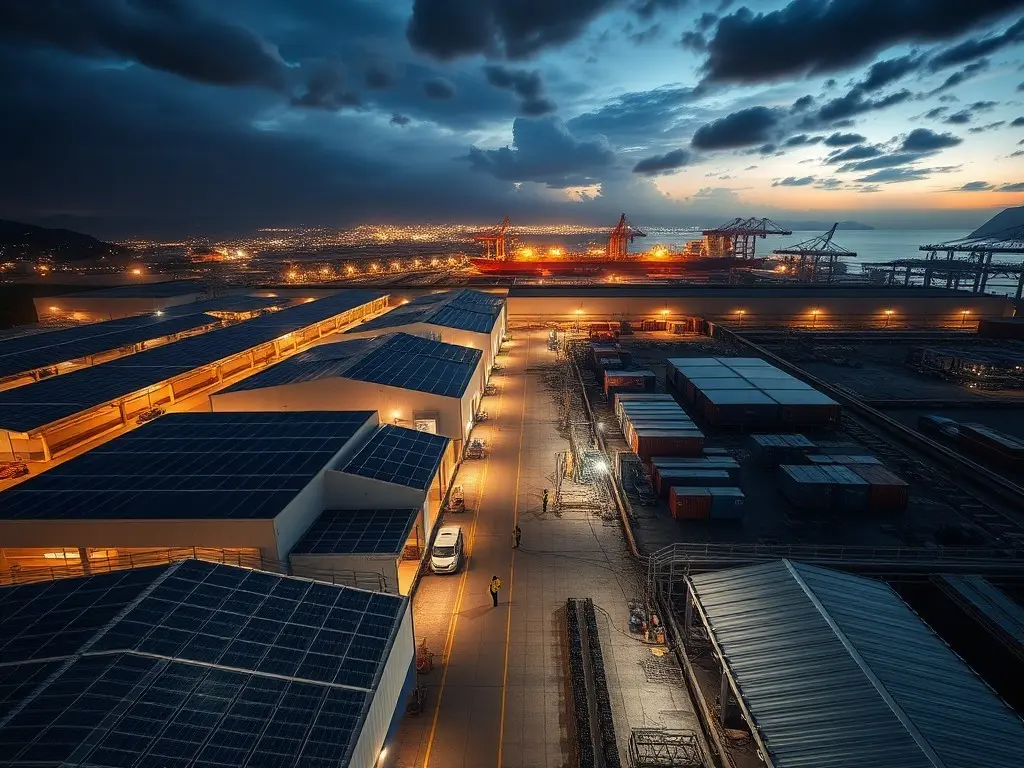
South Africa is proposing new incentives to boost local EV battery and component manufacturing to capitalize on the global shift to electric vehicles, including higher production credits and customs rebates for local production. The move aims to transform the country from a vehicle exporter into a supplier of processed battery minerals and EV parts, benefiting the Southern African Customs Union (SACU) region." "article": "South Africa is taking steps to secure its place in the global electric vehicle (EV) market by introducing proposed incentives for local battery and component manufacturing. The government has opened draft changes to automotive support rules for public comment, including measures to grant manufacturers higher production credits and customs rebates for producing EV batteries and related components domestically. The initiative is part of a broader strategy to shift South Africa’s automotive industry beyond vehicle assembly and into supplying processed battery minerals and EV parts. Currently, South Africa assembles vehicles for major international automakers and exports them to high-demand markets like Europe and the UK, where lower-emission vehicles are increasingly popular. Renai Moothilal, CEO of the National Association of Automotive Component and Allied Manufacturers, welcomed the proposed changes, calling them a positive move for production and regional industrialization. The incentives could encourage investment in battery and component manufacturing, helping local firms capitalize on the growing global EV market. Moothilal also noted that the policy could extend benefits to the Southern African Customs Union (SACU) region, supporting broader industrial development. The proposed rules aim to strengthen South Africa’s domestic new energy vehicle (NEV) ecosystem, according to Moothilal. She emphasized the need for policymakers to focus on expanding this sector to ensure long-term competitiveness in the global automotive industry. The changes, if implemented, could help local manufacturers overcome challenges in the domestic market while tapping into the expanding demand for EVs worldwide.
South Africa is taking steps to secure its place in the global electric vehicle (EV) market by introducing proposed incentives for local battery and component manufacturing. The government has opened draft changes to automotive support rules for public comment, including measures to grant manufacturers higher production credits and customs rebates for producing EV batteries and related components domestically. The initiative is part of a broader strategy to shift South Africa’s automotive industry beyond vehicle assembly and into supplying processed battery minerals and EV parts. Currently, South Africa assembles vehicles for major international automakers and exports them to high-demand markets like Europe and the UK, where lower-emission vehicles are increasingly popular. Renai Moothilal, CEO of the National Association of Automotive Component and Allied Manufacturers, welcomed the proposed changes, calling them a positive move for production and regional industrialization. The incentives could encourage investment in battery and component manufacturing, helping local firms capitalize on the growing global EV market. Moothilal also noted that the policy could extend benefits to the Southern African Customs Union (SACU) region, supporting broader industrial development. The proposed rules aim to strengthen South Africa’s domestic new energy vehicle (NEV) ecosystem, according to Moothilal. She emphasized the need for policymakers to focus on expanding this sector to ensure long-term competitiveness in the global automotive industry. The changes, if implemented, could help local manufacturers overcome challenges in the domestic market while tapping into the expanding demand for EVs worldwide.
This content was automatically generated and/or translated by AI. It may contain inaccuracies. Please refer to the original sources for verification.