Samsung Electronics' labor talks break down, raising fears of major strike
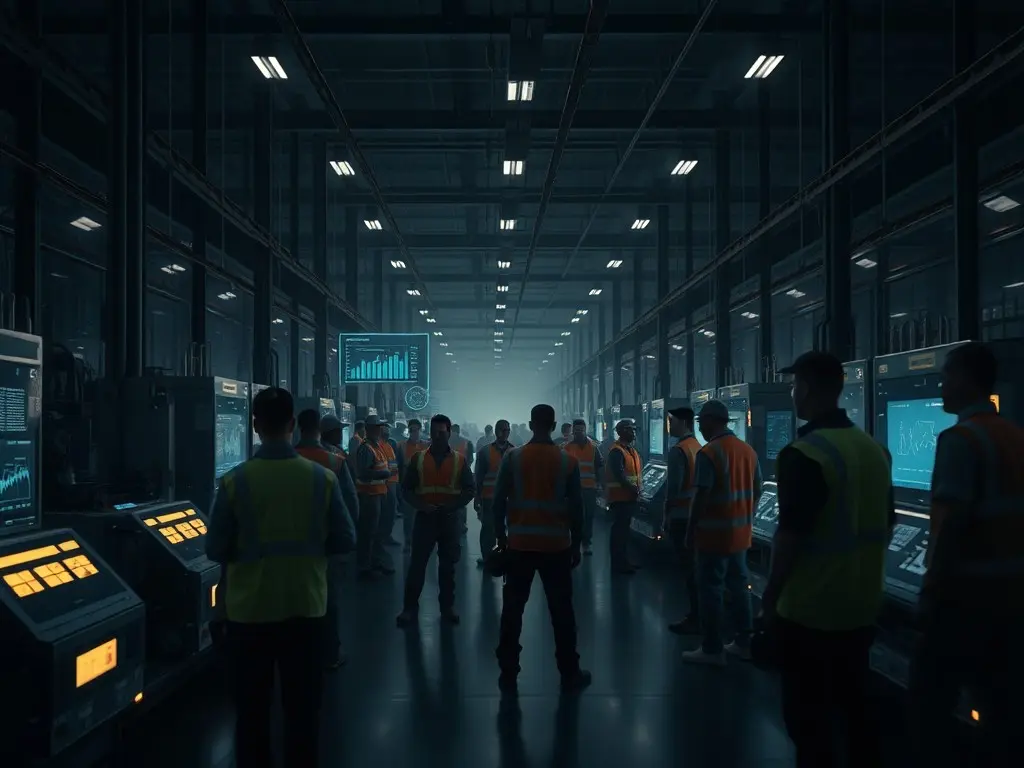
Samsung Electronics and its labor union failed to reach a wage agreement after two days of mediation, risking a strike by up to 50,000 workers on May 21. The dispute centers on performance-based bonuses tied to AI-related earnings, with the union demanding 15% of operating profit and Samsung offering 10% plus a one-time compensation package.
Samsung Electronics Co. and its labor union ended mediation talks Wednesday without resolving wage disputes, raising fears of a major strike on May 21. The breakdown occurred after government-led negotiations in Sejong failed to bridge the gap between the union’s demand for 15% of operating profit in performance bonuses and Samsung’s offer of 10%, along with a one-time special compensation package. Choi Seung-ho, head of Samsung’s largest labor union, stated that 41,000 workers have pledged to strike, with potential participation rising to over 50,000. The union rejected further mediation, arguing that Samsung’s proposal worsened during the talks. Choi emphasized the strike would proceed lawfully, though the union is preparing for Samsung’s request for an injunction to block the walkout. The Suwon District Court held a closed-door hearing Wednesday to consider the injunction, with the union arguing the strike would be limited and lawful. A ruling on the injunction is expected by May 20. Meanwhile, Samsung expressed regret over the mediation’s collapse but pledged to continue dialogue to avoid economic disruption. The dispute threatens production at the world’s largest memory chipmaker, risking disruptions to the global semiconductor supply chain. South Korea’s economy, heavily reliant on exports, could face losses exceeding 40 trillion won ($26.8 billion) if a full strike occurs. Semiconductor exports surged 139% year-over-year in Q1 2026, driven by AI demand, underscoring the stakes. Government officials have not ruled out invoking emergency arbitration powers, which could halt strikes for 30 days if deemed necessary to protect public welfare or the national economy. South Korea’s labor minister may intervene under existing laws, though such measures have been used only four times historically. The union and Samsung now face critical decisions ahead of the May 21 strike deadline, with both sides preparing legal and operational responses to mitigate potential economic fallout.
This content was automatically generated and/or translated by AI. It may contain inaccuracies. Please refer to the original sources for verification.