Sanctuary AI: Humanoid Robots Will Hit Homes In 3-7 Years
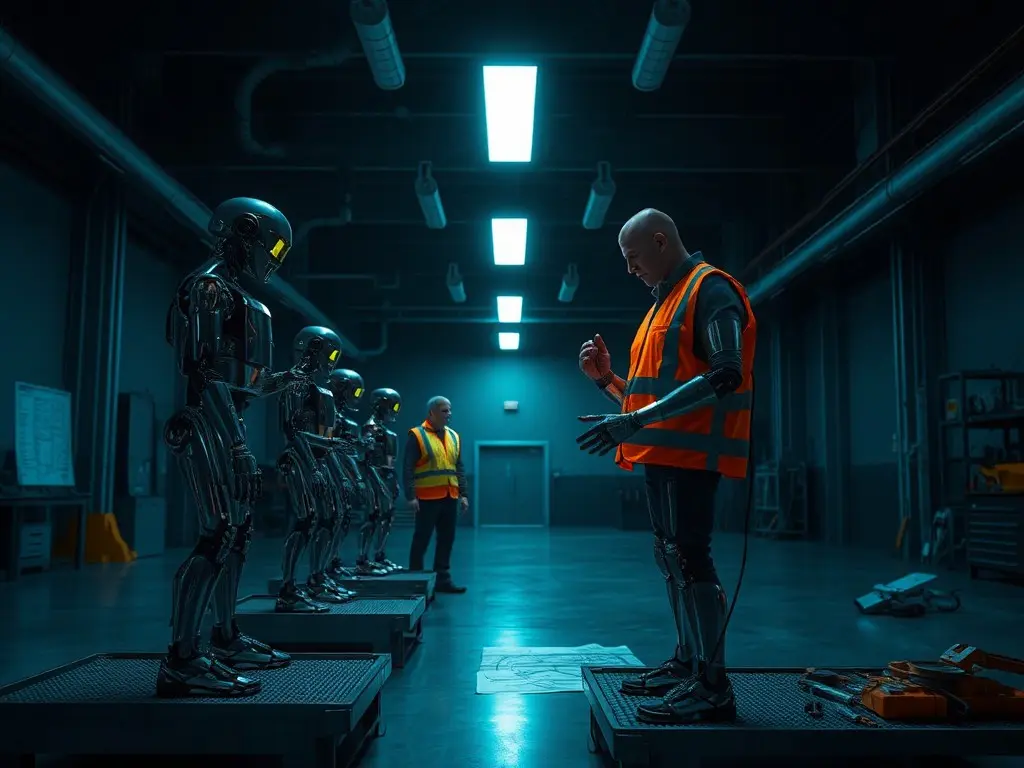
Sanctuary AI CEO James Wells predicts humanoid robots will not enter homes for at least 3-7 years due to reliability and economic challenges, despite competitors like 1X and Figure targeting residential markets. Wells argues current models lack the 99.999% repeatability needed for home use, with hands and dexterity posing critical hurdles, while industrial applications remain more viable sooner.
Sanctuary AI, Canada’s only homegrown humanoid robotics company, believes humanoid robots will not become commercially viable in homes for at least three to seven years. CEO James Wells, speaking at Web Summit Vancouver, ranked the home environment last in terms of deployment readiness, citing unit economics, safety risks, and customer tolerance as major barriers. He praised competitors like 1X for their marketing push behind the Neo robot but emphasized that current models—like those from Genesis AI or Kyber Labs—struggle with reliability, often achieving only 80% performance in tasks like handling fragile objects. Wells highlighted the gap between viral demonstrations and real-world functionality, noting issues like breakage, fall risks, and safety concerns in households with pets or children. Even simple tasks, such as turning an oven on and off, pose challenges due to inconsistent performance. He stressed that industrial applications demand near-perfect repeatability, a threshold most humanoid robots have yet to meet. The development of robotic hands remains a critical bottleneck, according to Wells. While companies focus on mobility and humanoid forms, dexterous manipulation—essential for both home and industrial tasks—has seen limited progress. He argued that legs and walking are less commercially valuable than stable, predictable platforms, as seen in robots like Tutor Intelligence’s Sonny, which uses wheels instead of legs for reliability and energy efficiency. Sanctuary AI holds the third-largest intellectual property portfolio in humanoid robotics globally, positioning it as a key player in shaping the industry’s trajectory. Wells acknowledged rapid advancements but insisted that home deployment requires overcoming foundational challenges before broader adoption can occur. Meanwhile, competitors like 1X are already pre-selling robots like Neo for home use, targeting shipments before the end of 2024, despite Wells’ skepticism about near-term feasibility.
This content was automatically generated and/or translated by AI. It may contain inaccuracies. Please refer to the original sources for verification.