Saudi Arabia pushes ahead with launch of new airline despite Iran war
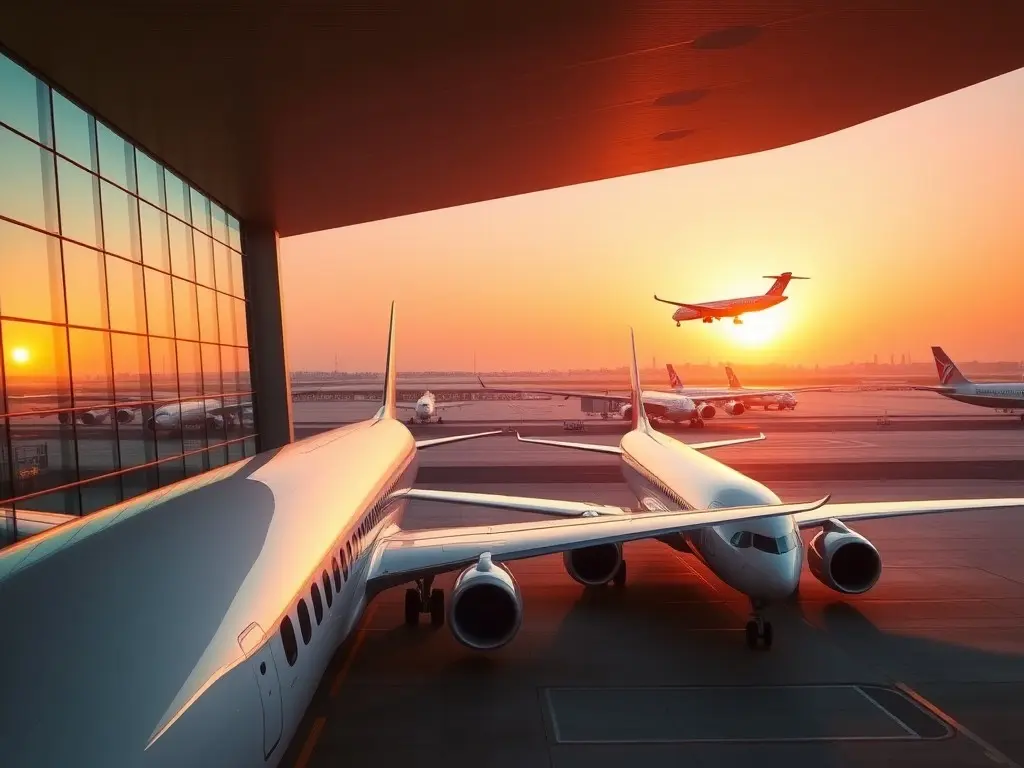
Saudi Arabia’s Riyadh Air is set to launch on July 1 with Boeing 787 jets, despite regional tensions, aiming to serve 100 global cities within five years. The airline’s British CEO, Tony Douglas, highlights Saudi Arabia’s operational stability during the Iran conflict as a strategic advantage over competitors like Emirates and Qatar Airways.
Saudi Arabia’s new national carrier, Riyadh Air, is proceeding with its launch on July 1 despite disruptions caused by the Iran conflict. The airline will collect its first two Boeing 787 Dreamliner jets this week, with seven more scheduled to arrive within two months. CEO Tony Douglas announced plans to unveil 22 additional routes, including Manchester, shortly after launch, targeting 100 destinations globally within five years. The decision to launch now follows Iran’s attacks on Dubai and Doha, which forced Emirates and Qatar Airways to ground flights. Douglas noted that Riyadh’s King Khalid Airport remained operational during the conflict, positioning it as a stable alternative. He emphasized that delaying the launch would have made Riyadh Air vulnerable to external factors, stating the airline’s focus should remain on its own growth. Riyadh Air’s initial route to London was described as a ‘no-brainer,’ with Manchester added to attract travelers from the Indian subcontinent visiting northern England. The airline has already enrolled 24,000 members in its loyalty program and plans to introduce premium long-haul features, including innovative seat designs, luxury amenities, and free Wi-Fi. Douglas dismissed concerns over Saudi Arabia’s scaled-back global investments, insisting the airline’s launch remains unaffected. He cited Saudi Arabia’s rising tourism appeal, with Expo 2030 and the 2034 World Cup as key drivers. The airline aims to compete with established carriers by leveraging Saudi Arabia’s growing connectivity and infrastructure, including UNESCO heritage sites and Red Sea resorts. The first two jets will be collected from Boeing’s Charleston plant, marking the start of a fleet expansion to over 180 aircraft. Douglas stressed that the airline’s ambition is to match global connectivity standards quickly, despite regional challenges.
This content was automatically generated and/or translated by AI. It may contain inaccuracies. Please refer to the original sources for verification.