Scientists bake sourdough bread using yeast from a 5,000-year-old mummy
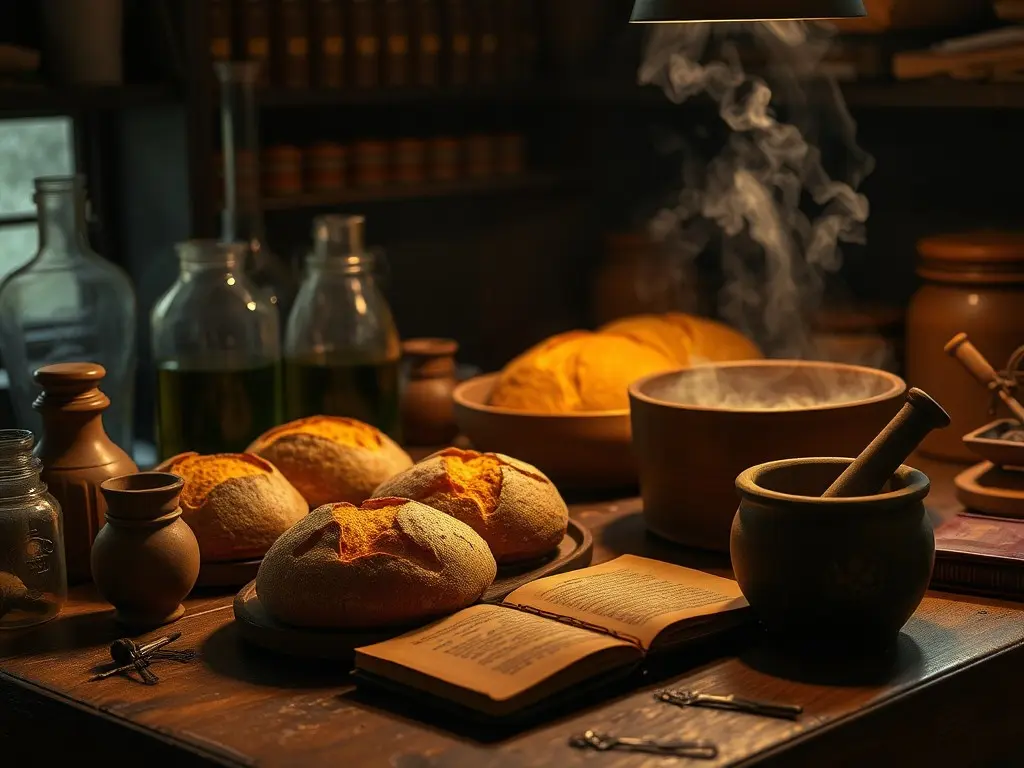
Scientists successfully baked sourdough bread using yeast extracted from the 5,000-year-old mummy Ötzi, with the dough rising normally within 24 hours. Researchers at Eurac Research now aim to test whether the same yeast strains can be used for brewing beer in collaboration with German brewer Weihenstephan.
Scientists have achieved a groundbreaking feat by baking sourdough bread using yeast strains extracted from the 5,000-year-old mummy Ötzi, discovered in the Italian Alps. Microbiologist Mohamed Sarhan, leading the research at the Institute for Mummy Studies at Eurac Research, confirmed the dough rose within 24 hours, similar to modern yeast. The team plans to collaborate with specialized food scientists and Weihenstephan, a renowned German brewery, to explore whether these ancient yeast strains can also be used for brewing beer. Sarhan admitted the first attempts were imperfect, as he had no prior baking experience, but the results showed potential. The yeast strains, thriving only in cold conditions, likely entered Ötzi’s body shortly after his death rather than during his lifetime. Ötzi’s preserved remains have previously provided insights into prehistoric European life, including evidence of the world’s oldest tattoos and clues about his violent death from an arrow wound. Researchers believe these findings could offer new perspectives on ancient fermentation techniques and microbial survival. The study highlights the unique preservation of Ötzi’s body, which has already contributed to solving a 50-year-old archaeological mystery.
This content was automatically generated and/or translated by AI. It may contain inaccuracies. Please refer to the original sources for verification.