Scientists Discover a Sea Slug Smaller Than a Sesame Seed in Taiwan
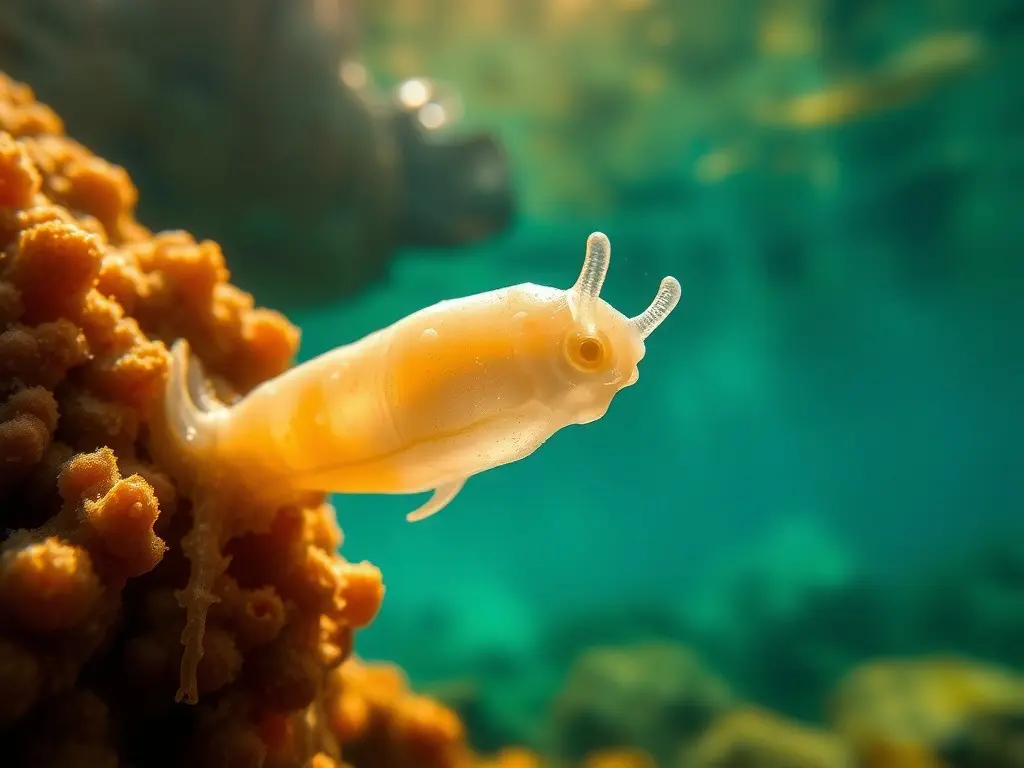
A newly identified sea slug species, *Thecacera sesama*, smaller than a sesame seed, was discovered in Taiwan’s Keelung waters in 2019 by Ho-Yeung Chan and formally described in May 2026. Researchers highlight its ecological role and the challenges of studying tiny marine life in Taiwan’s harsh coastal conditions.
A sea slug species smaller than a sesame seed has been discovered off the coast of Keelung, Taiwan, by researchers from National Taiwan Ocean University, the National Museum of Natural Science, and National Taipei University of Education. Named *Thecacera sesama*, the translucent nudibranch features black and yellow markings and measures less than three millimeters long. The species was first spotted in 2019 by Ho-Yeung Chan during a recreational dive, but its scientific significance was only confirmed later after consulting marine expert Hsini Lin. The discovery occurred unexpectedly, as Chan initially believed the tiny creature was a known species. Researchers noted that studying such small marine life is difficult due to Taiwan’s coastal conditions, including typhoons, strong monsoons, and limited diving windows of roughly four months annually. These challenges make spotting *T. sesama* largely dependent on chance. Observations revealed that the sea slug’s life revolves around bryozoans, small aquatic invertebrates also potentially representing an undescribed species. The slug’s primary activities—feeding, searching, mating, and egg-laying—all occur on these bryozoans, underscoring its ecological dependence. Nudibranchs like *T. sesama* play a crucial role in marine ecosystems, contributing to coral reef food webs despite their small size and difficulty in observation. The research team suggests that Taiwan’s waters may harbor many undiscovered species, given the challenges of studying tiny marine organisms. The findings were published in the journal *ZooKeys* on May 11, 2026, marking a significant contribution to marine biodiversity research.
This content was automatically generated and/or translated by AI. It may contain inaccuracies. Please refer to the original sources for verification.