Scientists Discover 'Life in a Glass Castle' and Dozens of New Species During Japan Deep-Sea Expedition
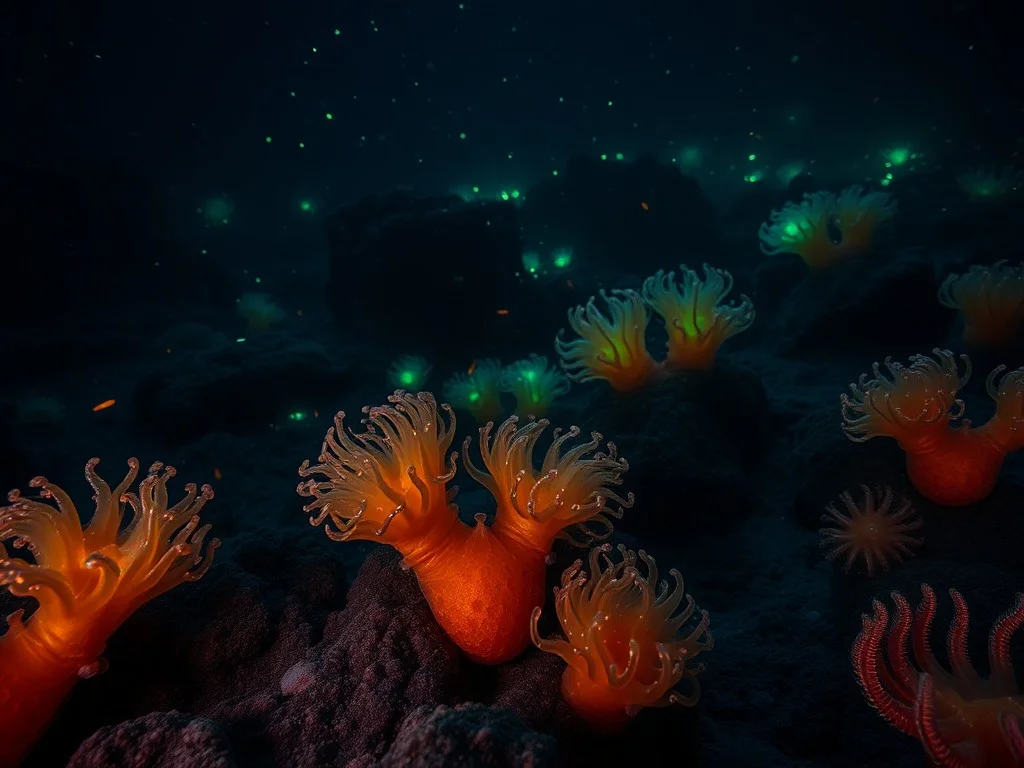
Scientists have discovered dozens of new species during a deep-sea expedition in Japan, including two new species of polychaete worms that live symbiotically within glass sponges. The expedition, led by researchers from JAMSTEC, explored the Nankai Trough and the Shichiyo Seamount Chain, revealing a five-fold increase in known biodiversity at the cold seeps.
A recent deep-sea expedition in Japan has led to the discovery of dozens of new species. The expedition explored the Nankai Trough and the Shichiyo Seamount Chain, revealing a five-fold increase in known biodiversity at the cold seeps. Two new species of polychaete worms were found living symbiotically within glass sponges. The sponges construct skeletons from silica, creating a rigid, translucent habitat. The expedition also discovered five new species of squat lobsters and newly observed marine life, including octocorals and nemerteans. The discoveries were made possible by the collaboration of world-class scientific institutions and the support of The Nippon Foundation.
This content was automatically generated and/or translated by AI. It may contain inaccuracies. Please refer to the original sources for verification.