Scientists discovered a sea creature whose flesh keeps living after being cut off
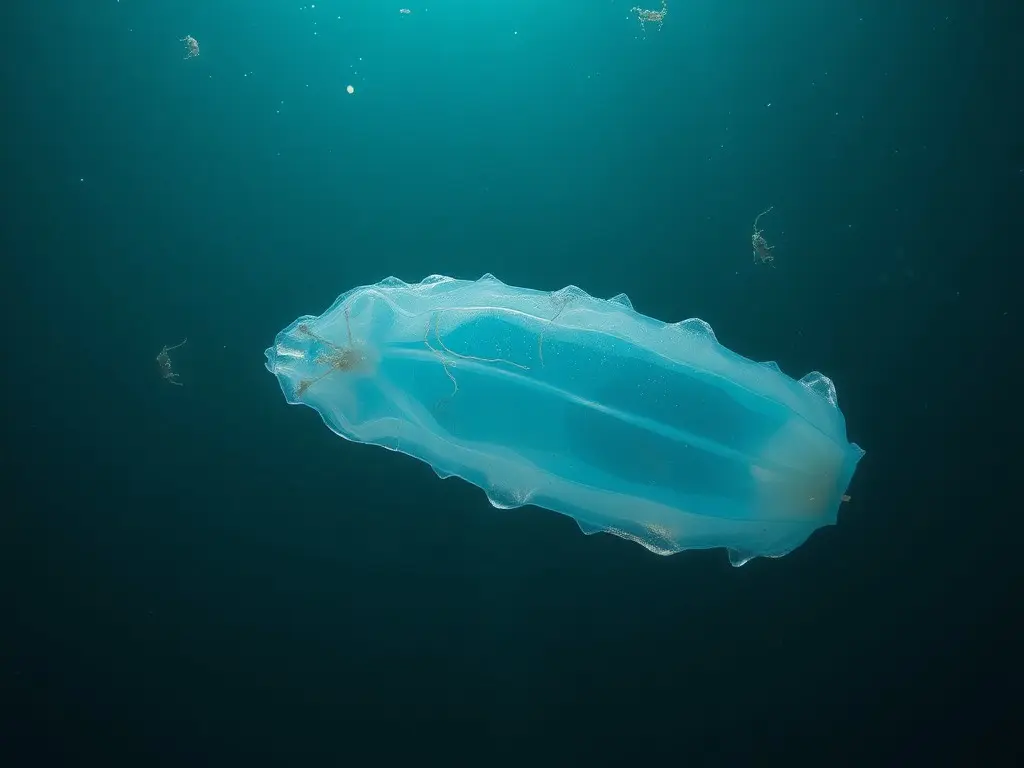
Researchers at Memorial University of Newfoundland discovered that severed tissue from the cold-water sea cucumber *Psolus fabricii* survived, healed, and grew for over three years in natural seawater without lab conditions or added nutrients. The study, published in *Science Advances*, describes this as the first documented case of 'natural tissue immortality,' potentially offering new insights for regenerative medicine.
Scientists studying the cold-water sea cucumber *Psolus fabricii* made an unexpected discovery: severed pieces of its tissue did not die but instead healed, grew, and remained biologically active for over three years in natural seawater without lab interventions. The findings, published in *Science Advances*, challenge the assumption that detached tissue decays quickly, as it typically does in other species. Researchers at Memorial University of Newfoundland observed that excised tube feet, body tissue, and tentacles from three separate *Psolus fabricii* individuals sealed wounds, reorganized into translucent cell blobs, and sustained immune activity and cell division without organs or added nutrients. The study began accidentally during routine lab work, where discarded tube foot tissue unexpectedly adhered to tank walls and showed signs of healing weeks later. Further experiments confirmed the tissue absorbed dissolved amino acids from seawater, thriving in microbially rich conditions rather than sterile environments. Senior researcher Rachel Sipler noted this resilience as unprecedented, as the tissue not only survived but appeared to adapt to its surroundings. Over three years, the tissue exhibited no signs of aging or decay, forming self-contained 'biological units' rather than developing into new sea cucumbers. Lead author Sara Jobson called this the first documented case of tissue immortality under natural conditions. The discovery could revolutionize regenerative medicine by offering insights into how tissues repair and sustain themselves without traditional biological support systems. The research highlights *Psolus fabricii*’s unique defense mechanism, where it deliberately sheds body parts to evade predators. Unlike other animals, these severed parts do not rot but instead regenerate and persist indefinitely. The study’s implications extend beyond marine biology, suggesting potential applications in tissue engineering and wound healing for humans.
This content was automatically generated and/or translated by AI. It may contain inaccuracies. Please refer to the original sources for verification.