Scientists found the “holy grail” gene that could one day help humans regrow limbs
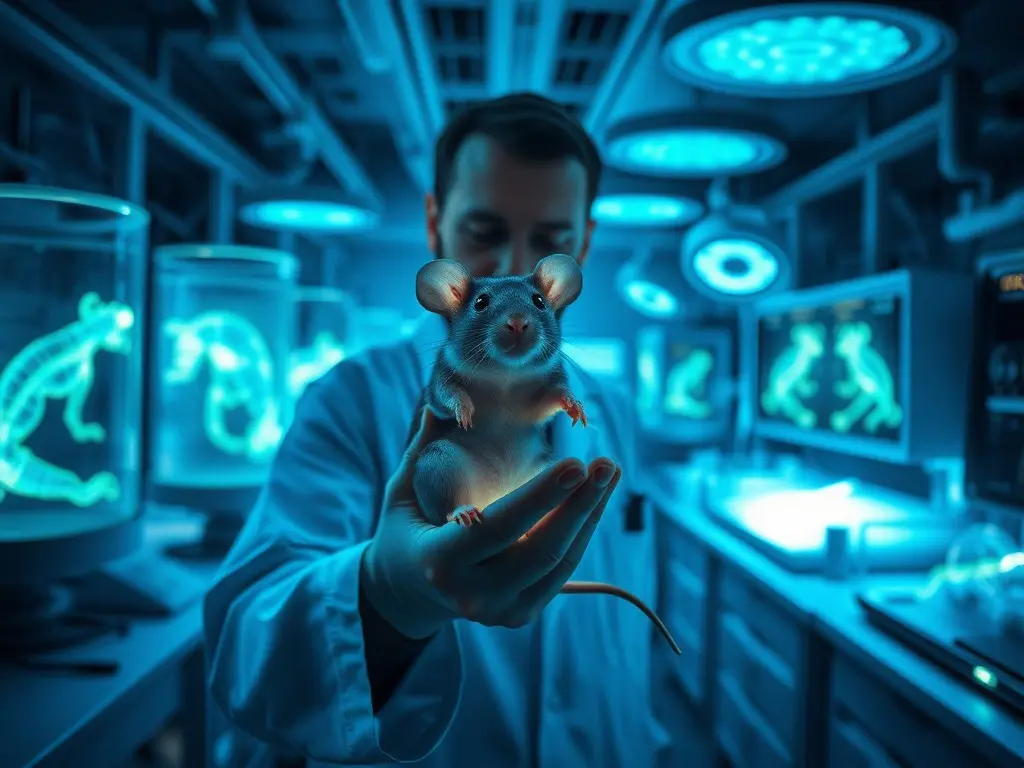
Researchers from Wake Forest University, Duke University, and the University of Wisconsin-Madison identified SP6 and SP8 genes as critical for limb regeneration in axolotls, zebrafish, and mice, suggesting potential future gene therapies for human limb regrowth. CRISPR experiments showed disabling these genes halted proper bone regeneration, while gene therapy partially restored regeneration in mice, marking a breakthrough in regenerative medicine.
A collaborative study involving Wake Forest University, Duke University, and the University of Wisconsin-Madison has uncovered a shared genetic mechanism that could one day enable humans to regrow lost limbs. Researchers identified two genes, SP6 and SP8, as key players in limb regeneration across axolotls, zebrafish, and mice. The findings, published in *Proceedings of the National Academy of Sciences*, reveal that disabling SP8 in axolotls and SP6/SP8 in mice prevented proper bone regrowth during regeneration. Axolotls, zebrafish, and mice were chosen for their distinct regenerative abilities. Axolotls can regrow entire limbs, tails, and even parts of organs, while zebrafish regenerate fins and multiple internal structures. Mice, like humans, can regenerate digit tips under specific conditions, making them a relevant model for potential human applications. The study’s lead investigator, Wake Forest Assistant Professor of Biology Josh Currie, noted that the research highlights universal genetic programs driving regeneration across vastly different species. Using CRISPR gene-editing technology, the team demonstrated that SP8 is essential for limb bone regeneration in axolotls. When SP8 was removed, axolotls failed to regrow bones properly. Similar results were observed in mice lacking SP6 and SP8 during digit regeneration. These findings suggest that manipulating these genes could restore regenerative capacity in mammals, including humans. The research builds on decades of work to move beyond prosthetic limbs and toward biological regeneration. Over 1 million amputations occur annually due to diabetes, trauma, infections, and cancer, and the number is expected to rise as populations age. Duke University plastic surgeon David A. Brown and University of Wisconsin-Madison researcher Kenneth D. Poss contributed to the study, which also involved Wake Forest Ph.D. student Tim Curtis Jr. and undergraduate Elena Singer-Freeman. The team’s next steps include refining gene therapy techniques to activate SP6 and SP8 in mammals, with the goal of enabling functional limb regrowth. If successful, this approach could revolutionize treatment for amputees and those with severe limb injuries, restoring natural movement and sensation.
This content was automatically generated and/or translated by AI. It may contain inaccuracies. Please refer to the original sources for verification.