Scientists Print Artificial Neurons That Can Talk to the Brain
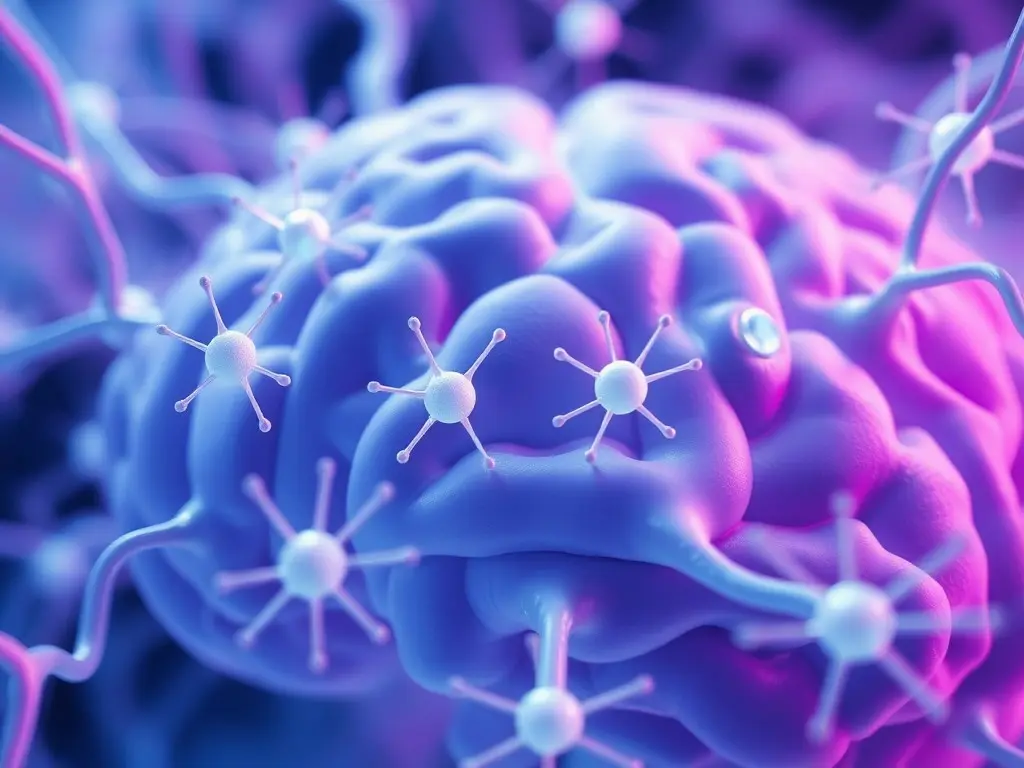
Northwestern University engineers have developed printed artificial neurons that can stimulate real brain cells, potentially transforming brain implants and energy-efficient AI. The artificial neurons produced electrical signals resembling those of living neurons and successfully activated real neurons in laboratory tests using mouse brain tissue.
Engineers at Northwestern University have created printed artificial neurons that can directly engage with real brain cells. These devices are flexible, inexpensive, and produce lifelike electrical signals. In laboratory tests, the artificial neurons stimulated real neurons in mouse brain tissue, prompting measurable responses. This breakthrough could support brain-machine interfaces and neuroprosthetic devices, including implants to restore hearing, vision, or movement. The technology may also lead to more efficient computing by reproducing the brain's energy-efficient signaling. The study was published on April 15 in Nature Nanotechnology.
This content was automatically generated and/or translated by AI. It may contain inaccuracies. Please refer to the original sources for verification.