Scientists Turn Cancer’s Own Bacteria Against It in Breakthrough Therapy
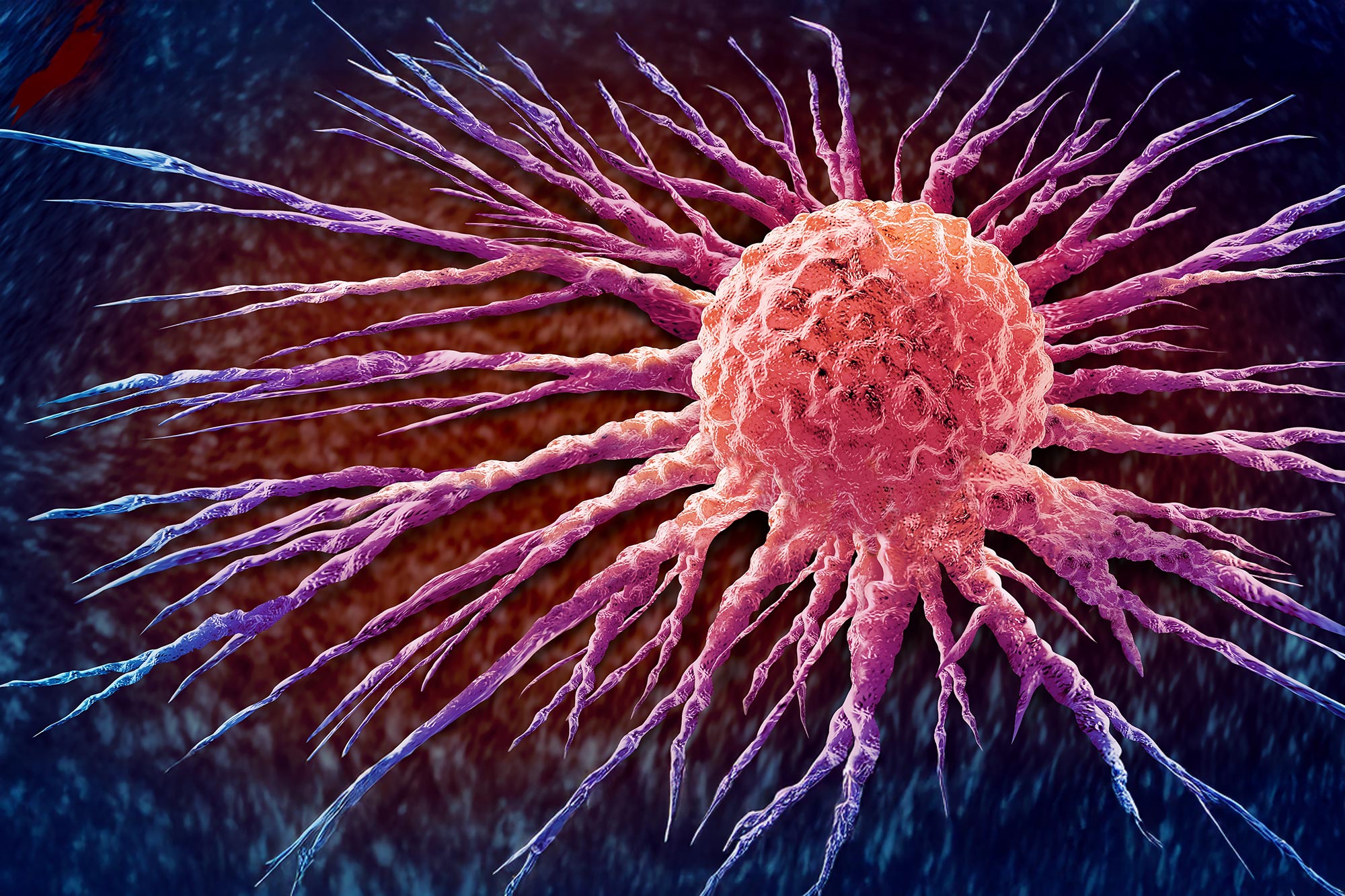
Researchers at the University of Illinois Chicago developed a peptide called aurB, inspired by a bacterial protein, that disrupts mitochondria in tumor cells to starve cancer of energy. Tests in prostate cancer models showed dramatic tumor growth reduction when combined with radiation, offering a potential new treatment independent of the p53 gene function.
Scientists at the University of Illinois Chicago have created a cancer therapy targeting how tumor cells produce energy. The treatment uses a lab-made peptide called aurB, derived from a bacterial protein called auracyanin found in tumor bacteria. Instead of attacking cancer cells directly, aurB disrupts mitochondria, the cell’s energy factories, leaving tumors unable to grow. The study, published in *Signal Transduction and Targeted Therapy*, found aurB significantly reduced tumor growth in prostate cancer models when combined with radiation. Unlike earlier bacterial peptide therapies, aurB works independently of the p53 gene, which is often mutated in cancer. This makes it effective across different cancer types, including those resistant to standard treatments. Researchers identified auracyanin in tumor samples from breast cancer patients and designed aurB to mimic its function. In lab tests, aurB entered tumor mitochondria and bound to ATP synthase, an enzyme critical for energy production. Mouse models with advanced prostate cancer showed reduced tumor size without noticeable toxicity when treated with aurB and radiation. The team previously tested a similar peptide, but it relied on p53, which varies in cancers. AurB bypasses this limitation by targeting mitochondria directly. The therapy’s success in preclinical trials has led to a patent filing, with plans to advance it toward human clinical trials. Tohru Yamada, senior author and associate professor at UIC, emphasized the mitochondria’s role in cancer survival. He noted that aggressive tumors depend heavily on energy production, making mitochondria an ideal target. The approach could offer a new strategy for cancers where traditional therapies fail. Further research will focus on refining aurB for clinical use, potentially expanding treatment options for patients with limited alternatives.
This content was automatically generated and/or translated by AI. It may contain inaccuracies. Please refer to the original sources for verification.