Scientists warn El Niño could intensify climate extremes in 2026
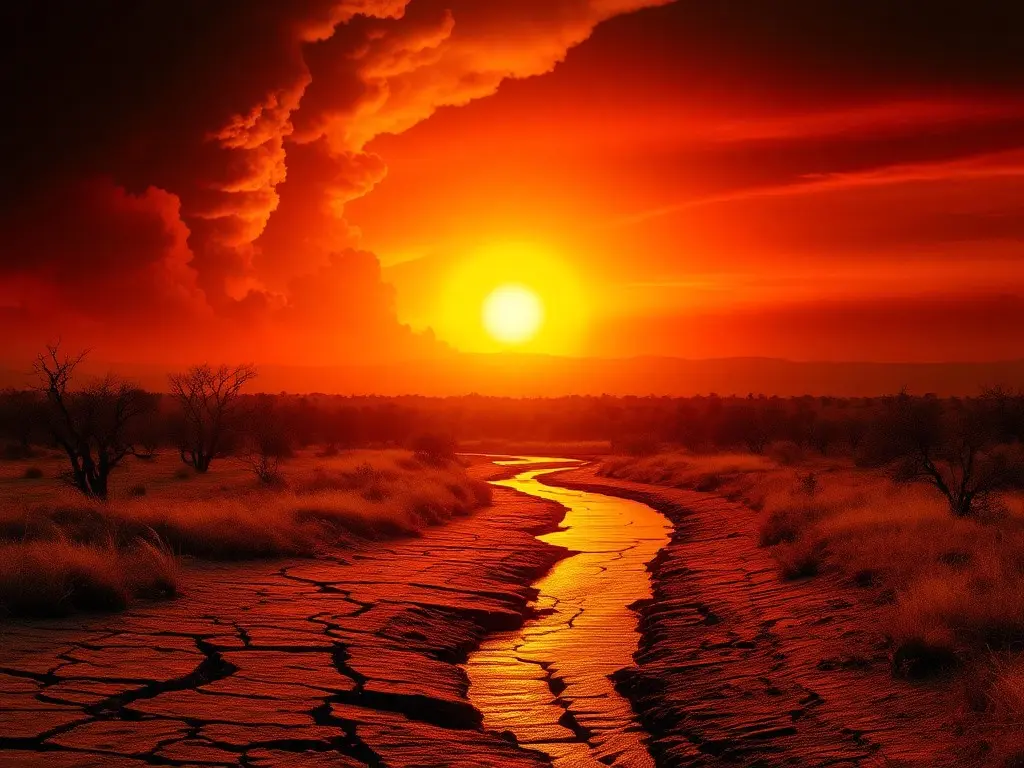
Climate scientists warn a strong El Niño event in 2026, combined with human-caused global warming, could trigger unprecedented weather extremes, including record-breaking temperatures and severe wildfires. The World Meteorological Organization expects El Niño to develop soon, potentially making 2026 the warmest or second-warmest year on record, with heightened risks of droughts, floods, and fires in vulnerable regions like Australia, the US, and the Amazon.
A strong El Niño weather pattern developing in 2026, alongside rising global temperatures, could intensify extreme weather events to "unprecedented" levels, according to climate scientists. Meteorologists predict El Niño—marked by unusually warm Pacific sea-surface temperatures—could emerge as early as May, with some forecasts suggesting it may become particularly powerful. The combination of El Niño and human-induced climate change may push 2026 into the top spot as the warmest or second-warmest year recorded, following 2024’s record average global temperature of 1.55°C above preindustrial levels. Researchers highlight that El Niño itself is a natural phenomenon, but its impact is amplified by a warming climate. Friederike Otto, a climate scientist at Imperial College London, emphasized that the dramatic effects stem from El Niño occurring in a rapidly changing climate, driven by fossil fuel emissions. The World Meteorological Organization will release an updated El Niño forecast in late May to guide protective measures for affected regions. Even before El Niño’s arrival, 2026 has seen extreme weather anomalies, including near-record sea surface temperatures in April and Arctic sea ice hitting its lowest levels for the second consecutive year. The U.S. experienced a record-breaking heatwave in March, deemed "virtually impossible" without climate change, according to the World Weather Attribution research group. Wildfire risks have surged globally, with record blazes in Western Africa, the Sahel, India, Southeast Asia, and China contributing to the largest burned area ever recorded for January-April. Theodore Keeping, a WWA researcher, warned that a powerful El Niño could worsen hot and dry conditions in Australia, the U.S., Canada, and the Amazon, potentially leading to the highest likelihood of extreme fires in recent history. The interplay of El Niño and climate change threatens to exacerbate droughts, floods, and storms worldwide. Scientists urge preparedness, noting that human-induced warming will continue to break temperature records regardless of El Niño’s intensity.
This content was automatically generated and/or translated by AI. It may contain inaccuracies. Please refer to the original sources for verification.