Search for a future in the 4th year of the Sudan war
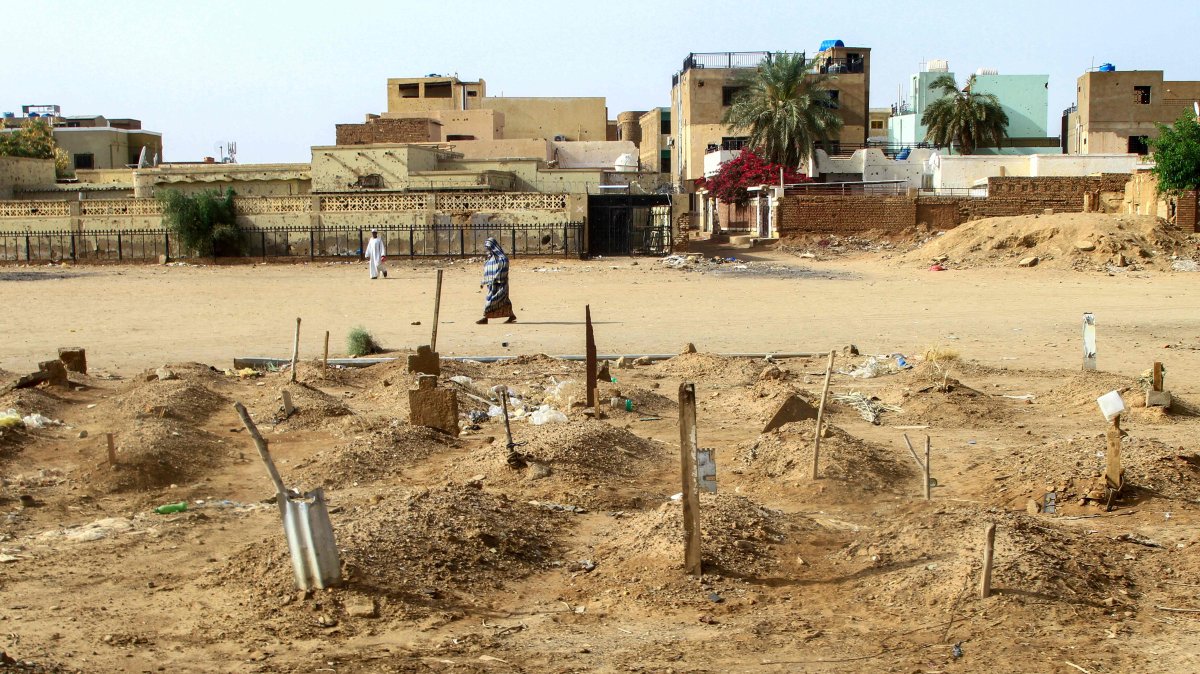
The Sudan conflict, now in its fourth year since clashes began in Khartoum on April 15, 2023, has escalated into a proxy war with widespread destruction, humanitarian crises, and international indifference. The Berlin Sudan Conference in April 2026 excluded Sudan’s legitimate government, sparking protests from Prime Minister Kamil Idris, who called the move a 'colonial tutelage approach' and a 'fatal mistake.'
The Sudan war entered its fourth year on April 15, 2026, marking three years since violent clashes erupted in Khartoum between rival military factions. What began as a power struggle between generals has devolved into a complex proxy conflict, with regional and global actors exploiting Sudan as a geopolitical battleground. The Rapid Support Forces (RSF) militias have systematically targeted civilians, employing starvation, sexual violence, and infrastructure attacks, while the international community has largely ignored the crisis. The United Nations classifies Sudan as the world’s largest humanitarian and displacement crisis, yet Western powers and regional actors have prioritized other conflicts like those in Ukraine, Gaza, and Iran. This neglect has deepened Sudan’s suffering, with cities under siege and basic services collapsing. The Berlin Sudan Conference in April 2026, hosted by Germany, France, the UK, the US, the EU, and the African Union, excluded Sudan’s official government and military leadership. Prime Minister Kamil Idris condemned the move, calling it a 'colonial tutelage approach' and a 'fatal mistake.' The Sudanese Foreign Ministry protested the exclusion, framing it as a disregard for the government’s legitimacy. Western justifications for excluding Sudan’s leadership, such as avoiding 'legitimacy wars,' are seen as a smokescreen to protect actors financing atrocities on the ground. The conference’s parallel peace roadmap was signed without Sudan’s representatives, further straining trust between the international community and the war-torn nation. The conflict has shattered Sudan’s social fabric, eroded state capacity, and left millions displaced. The RSF’s war crimes, including sexual violence and starvation tactics, continue unchecked, while global powers remain divided over how to intervene. Sudan’s plight persists as a 'forgotten war,' overshadowed by higher-profile crises.
This content was automatically generated and/or translated by AI. It may contain inaccuracies. Please refer to the original sources for verification.