Secret tunnels and unregistered workers: China's coal mine disaster is a reminder of darker days
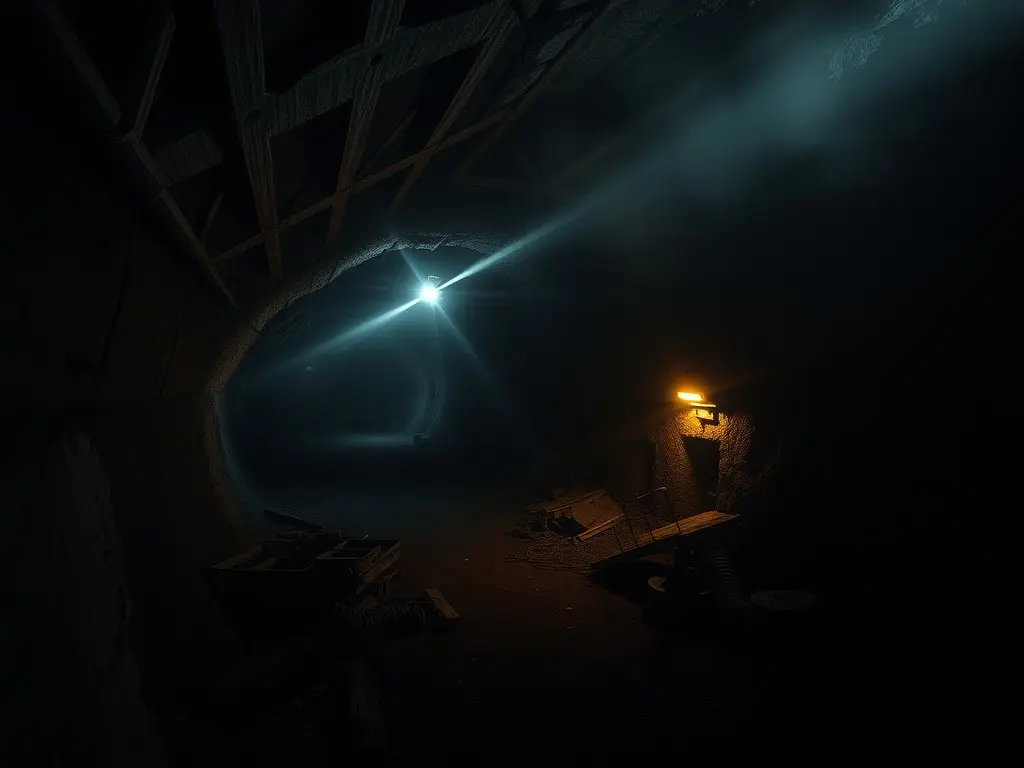
A methane gas explosion at the Liushenyu coal mine in Shanxi Province killed 82 workers and injured over 120 on May 22, marking China’s deadliest coal disaster in 15 years. Investigations revealed unregistered workers, secret tunnels, and repeated safety violations by the operating company, Tongzhou Group, despite prior warnings.
A coal mine explosion in China’s Shanxi Province on May 22 killed 82 workers and injured more than 120, making it the deadliest coal disaster in the country in over 15 years. The blast at the Liushenyu mine, operated by privately owned Tongzhou Group, occurred amid ongoing efforts to shift China’s energy focus toward green alternatives. Investigations uncovered severe safety violations, including unregistered workers, many of whom lacked mandatory tracking devices. Authorities found secret tunnels and inaccurate mine blueprints, complicating rescue efforts. A worker previously employed at the mine told Chinese media that Tongzhou Group had avoided detection by prohibiting tracking devices for illegal mining operations. The mine had been flagged for safety hazards in 2024 by China’s National Mine Safety Administration and faced two penalties in 2025 for repeated violations. Experts, including Jiangnan University professor Hong Chen, stated that the disaster was preventable with proper safeguards, emphasizing that human error and management failures were likely contributing factors. Rescue operations were hindered by the mine’s complex underground structure, with survivors describing thick dust and chaos after the explosion. Tongzhou Group has not responded to allegations of illegal activity, and authorities have yet to confirm the exact cause of the blast. The tragedy underscores persistent risks in China’s coal industry despite past safety reforms, highlighting ongoing challenges in balancing energy needs with worker protection.
This content was automatically generated and/or translated by AI. It may contain inaccuracies. Please refer to the original sources for verification.