Securing India's energy future: The global strategy behind PM Modi's 5-nation tour
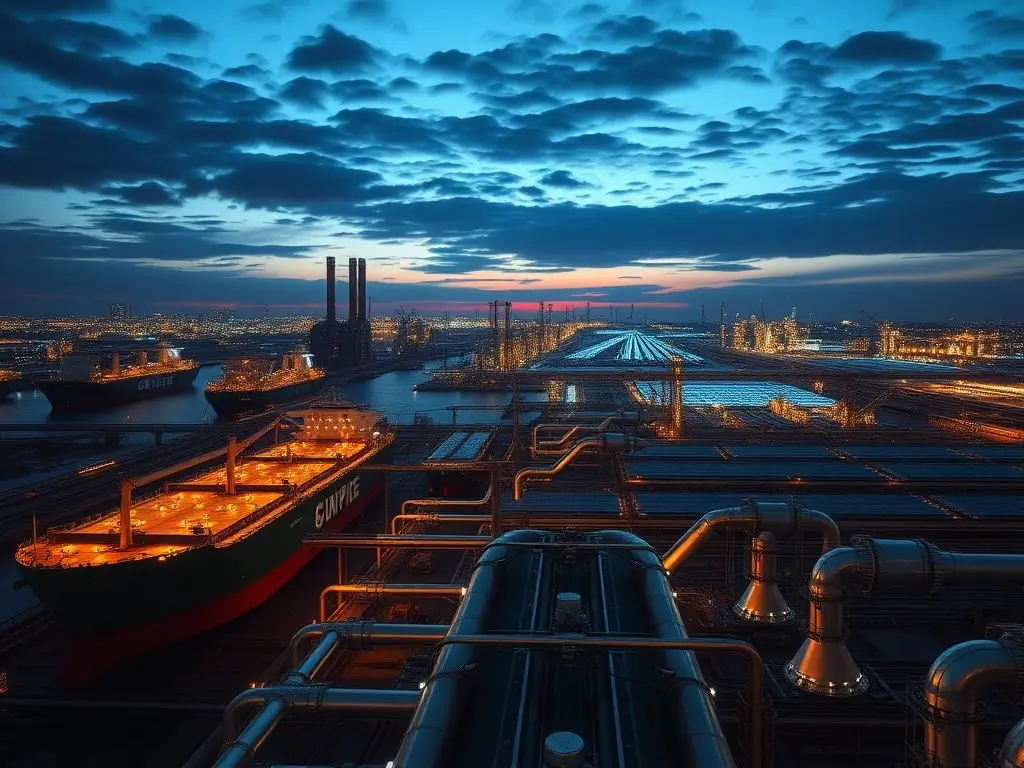
Prime Minister Narendra Modi’s five-nation tour (UAE, Netherlands, Sweden, Norway, Italy) focused on securing energy reserves, semiconductor manufacturing, and trade deals to bolster India’s economic and strategic independence amid global instability. The visits included a $5 billion UAE investment pledge, a $11 billion semiconductor plant deal with Tata Electronics and ASML, and agreements to establish 30 million barrels of strategic petroleum reserves in India.
Prime Minister Narendra Modi’s five-nation tour from May 15 to May 20 targeted energy security, technology, and trade, reflecting India’s evolving diplomatic strategy as an emerging global power. The trip covered the UAE, Netherlands, Sweden, Norway, and Italy, addressing critical vulnerabilities like crude oil dependence and semiconductor shortages. In the UAE, Modi secured commitments for 30 million barrels of strategic petroleum reserves to safeguard India against supply disruptions, as 85% of its crude oil is imported. The agreement also included nearly $5 billion in investments across energy, logistics, infrastructure, and defense, reinforcing India’s role as a strategic economic partner in the Gulf. The Netherlands visit yielded a landmark deal between Tata Electronics and ASML for India’s first commercial 300-millimeter semiconductor fabrication facility in Gujarat, backed by over $11 billion in investments. This move aims to reduce reliance on global supply chains, a lesson learned from pandemic-era chip shortages that exposed vulnerabilities in sectors from smartphones to AI. India’s economic resilience—with a $4 trillion GDP, $700 billion forex reserves, and record exports—positions it as a key player in shaping global conversations on energy, manufacturing, and technology. The tour underscored how diplomacy now aligns with long-term economic and strategic security, moving beyond traditional reactive approaches. Sweden and Norway likely discussed renewable energy and green technology collaborations, while Italy may have explored defense and infrastructure partnerships. The broader goal remains reducing dependence on unstable global supply chains while positioning India as a hub for critical industries.
This content was automatically generated and/or translated by AI. It may contain inaccuracies. Please refer to the original sources for verification.