Senegal: Abdoulaye Wade At 100 - From Challenger to 'Old Lion' of Senegalese Politics
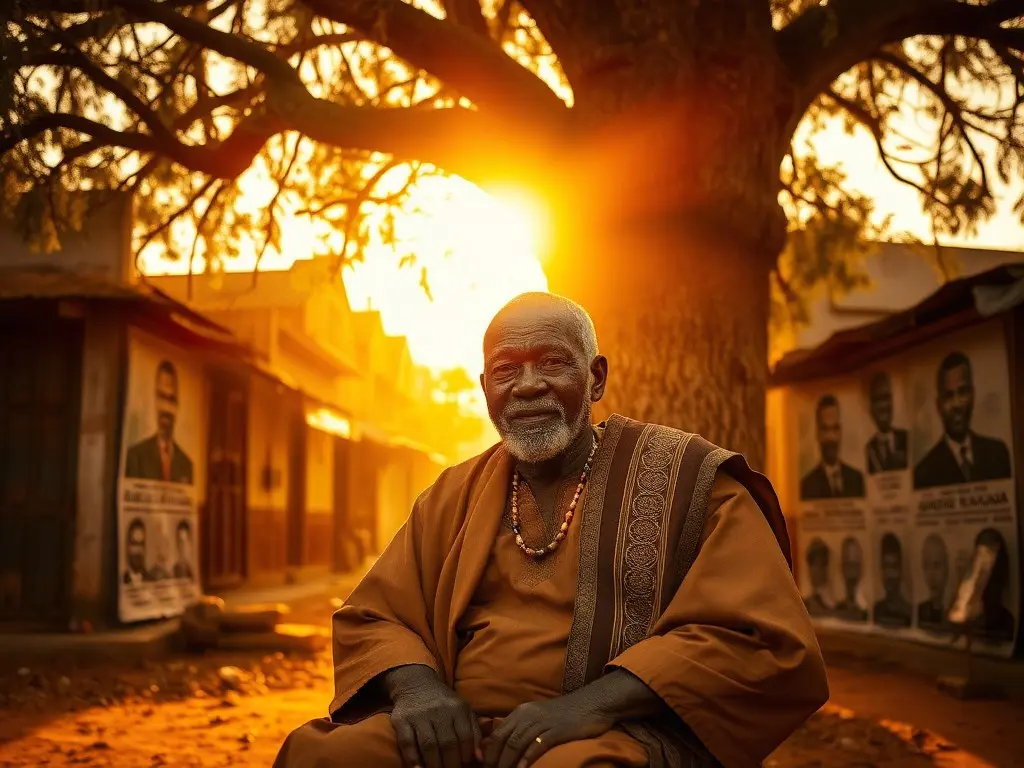
Senegal’s former president Abdoulaye Wade, turning 100, reflects on a political career marked by opposition, imprisonment, and eventual leadership, including his 2000-2012 presidency. His legacy includes legal battles against colonial-era policies, a controversial 2000 election victory, and a complex relationship with Senegal’s one-party system under Léopold Senghor.
Senegal’s former president Abdoulaye Wade, born in Saint-Louis on May 29, 1926, turns 100 amid a legacy spanning opposition, imprisonment, and political triumph. Historians debate his true age, as Wade has been evasive about his birthdate, once telling *Jeune Afrique* in 2014 that he was 87 but claimed to be 90, citing family longevity. Wade’s political awakening began in Paris, where he studied law and joined the Federation of Black African Students, alongside future leaders like Alpha Condé and Laurent Gbagbo. An anti-colonialist, he defended Algeria’s FLN independence movement in court and later represented Senegal’s ousted Prime Minister Mamadou Dia in 1963, though Dia was sentenced to life for treason—a decision Wade later called unjust. By 1973, Wade challenged Senegal’s one-party system under Léopold Senghor, drafting the *Manifesto of the 200* to push for reforms without direct criticism. When Senghor pardoned Dia in 1974, Wade saw an opportunity to strengthen opposition, though his efforts initially faced resistance. Wade’s political career peaked in 2000 when he won Senegal’s presidency, defeating incumbent Abdou Diouf in a disputed election. His rule included controversial reforms, such as renaming the capital’s airport after his son Karim Wade, and a 2012 constitutional change to extend his term—sparking protests that led to his defeat by Macky Sall. Now 100, Wade remains a polarizing figure in Senegalese politics, known as the *Old Lion* for his resilience and longevity. His career reflects Senegal’s post-colonial struggles, from legal battles against French-era policies to his role in shaping modern Senegalese governance.
This content was automatically generated and/or translated by AI. It may contain inaccuracies. Please refer to the original sources for verification.