She discovered what stars are made of and changed astronomy forever: Meet Cecilia Payne-Gaposchkin, honoured after 101 years of scientific legacy
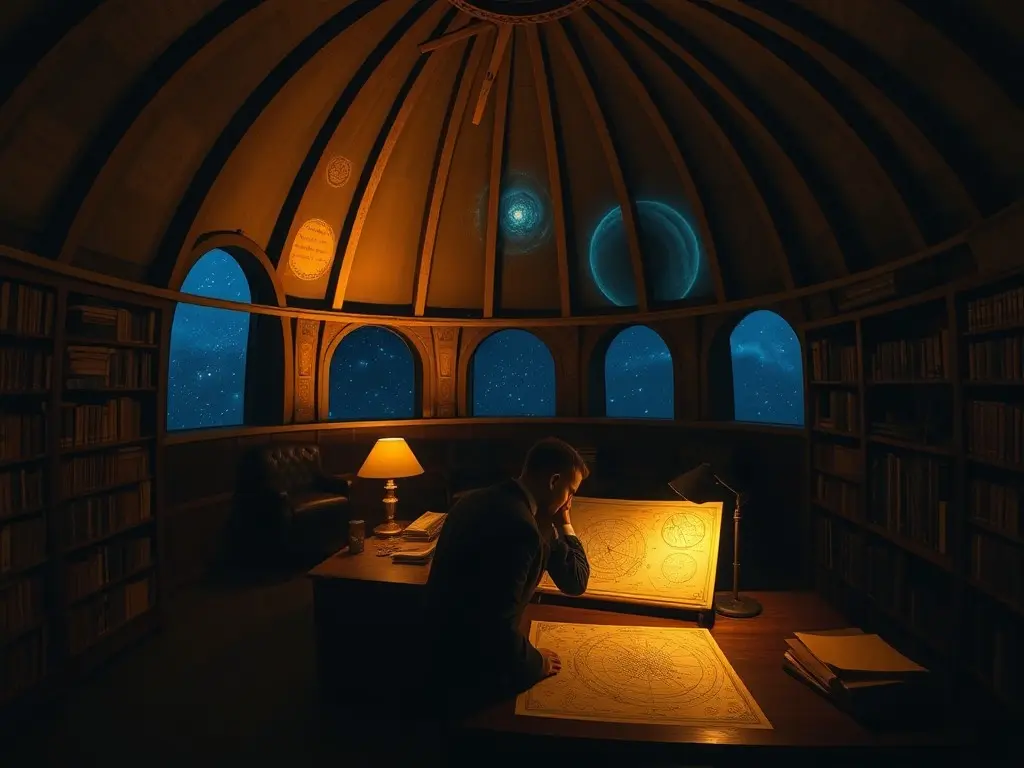
English Heritage unveiled a blue plaque in London honoring Cecilia Payne-Gaposchkin, whose 1925 doctoral thesis revealed stars are primarily composed of hydrogen and helium, a discovery initially dismissed but later validated as foundational to astrophysics. Payne-Gaposchkin overcame gender barriers to become Harvard’s first female full professor in astronomy, leaving a legacy that reshaped stellar science and inspired future generations of women in the field.
Cecilia Payne-Gaposchkin, a pioneering astronomer, is being honored 101 years after her groundbreaking work revealed that stars are made mostly of hydrogen and helium. English Heritage installed a blue plaque at her former home in Notting Hill, London, recognizing her as one of Britain’s most influential scientists despite the sexism she faced in academia. In 1925, Payne-Gaposchkin completed her PhD at Harvard, where she analyzed stellar light and concluded stars differ drastically from Earth’s composition. Her findings contradicted prevailing scientific beliefs, leading senior astronomers to pressure her into downplaying her conclusions. Decades later, her work was confirmed as correct, forming the basis of modern astrophysics. Born in England in 1900, Payne-Gaposchkin earned a scholarship to Cambridge but left due to gender discrimination. She moved to the U.S. in 1923, joining Harvard’s Observatory, where she became the first woman to earn a PhD in astronomy. She later became Harvard’s first female full professor and chaired its astronomy department, breaking barriers for women in science. Beyond her star composition discovery, Payne-Gaposchkin published hundreds of research papers on variable stars and stellar evolution. Her catalogues of variable stars, created with her husband Sergei Gaposchkin, remain critical tools for astronomers today. Her contributions helped explain how stars form, change over time, and structure galaxies. The blue plaque at her London home acknowledges her perseverance and legacy. English Heritage noted her work as a cornerstone of astronomy, ensuring her story is remembered alongside other celebrated British scientists. Payne-Gaposchkin’s achievements continue to inspire researchers, particularly women, in the field of astrophysics.
This content was automatically generated and/or translated by AI. It may contain inaccuracies. Please refer to the original sources for verification.