She was told to marry in a country which bans girls' education. So she got in a taxi and fled
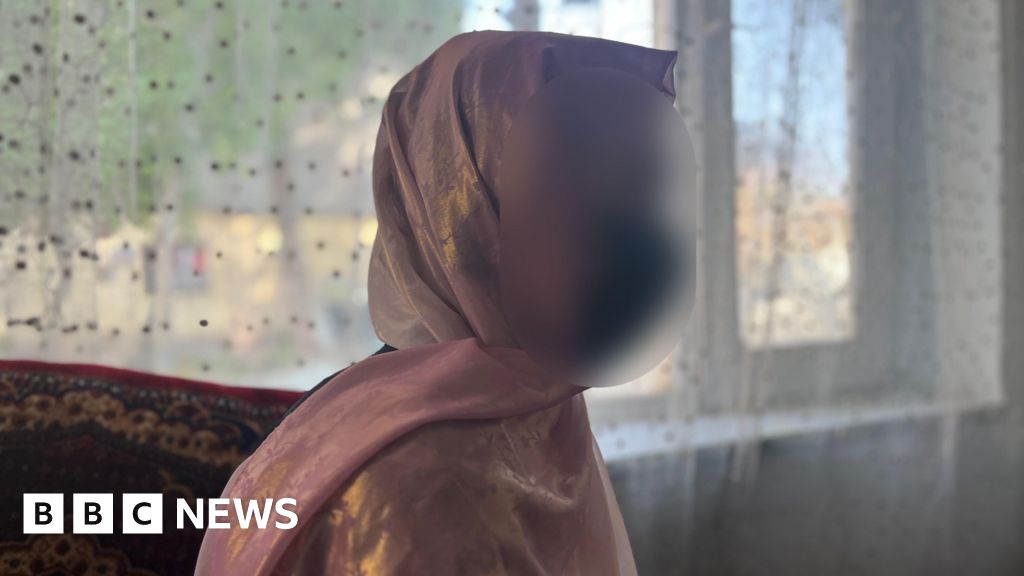
A 19-year-old Afghan woman named Alia fled her village in Daykundi to Kabul to escape a forced marriage, enrolling in an English course as the only available education option for girls under Taliban rule. Another woman, Shama, was married off at 18 after her mother feared Taliban scrutiny for her unmarried status, leaving her unable to pursue her dream of becoming a doctor.
Alia, a 19-year-old Afghan woman whose name has been changed for safety, traveled hundreds of miles alone from Daykundi to Kabul last year to avoid a forced marriage. She disguised her journey as a visit to friends but admitted she fled because staying would have meant marriage, as Taliban restrictions ban girls over 12 from attending school. In Kabul, she enrolled in a private English language course, one of the limited educational options available to Afghan girls since the Taliban imposed the school ban five years ago. The Taliban’s education ban has left millions of girls with no formal schooling and marriage as their only viable future. Alia’s family supports her English studies, but they now accept marriage as her only realistic path, despite previously encouraging her dream of becoming a pilot. She faces constant marriage proposals and fears her future in-laws may restrict her further, though she remains determined to resist. Shama, another young woman, was married off at 18 after her mother Kamila feared Taliban backlash for keeping her unmarried. Kamila, who worked as a cleaner to fund her daughters’ education, now regrets not pushing harder to protect Shama’s academic future. Shama, who had aspired to become a doctor, is now a mother of two young daughters and feels her dreams are lost. Both women’s stories highlight the dire consequences of the Taliban’s education policies, which have erased opportunities for Afghan girls. While private courses exist, they are inaccessible to most due to cost and risk, leaving families with no choice but to arrange marriages. The United Nations reports that three in four Afghans struggle to meet basic needs, worsening the pressure on families to marry off daughters early.
This content was automatically generated and/or translated by AI. It may contain inaccuracies. Please refer to the original sources for verification.