She watched a wildfire destroy her town, so she's building fire-proof bunkers
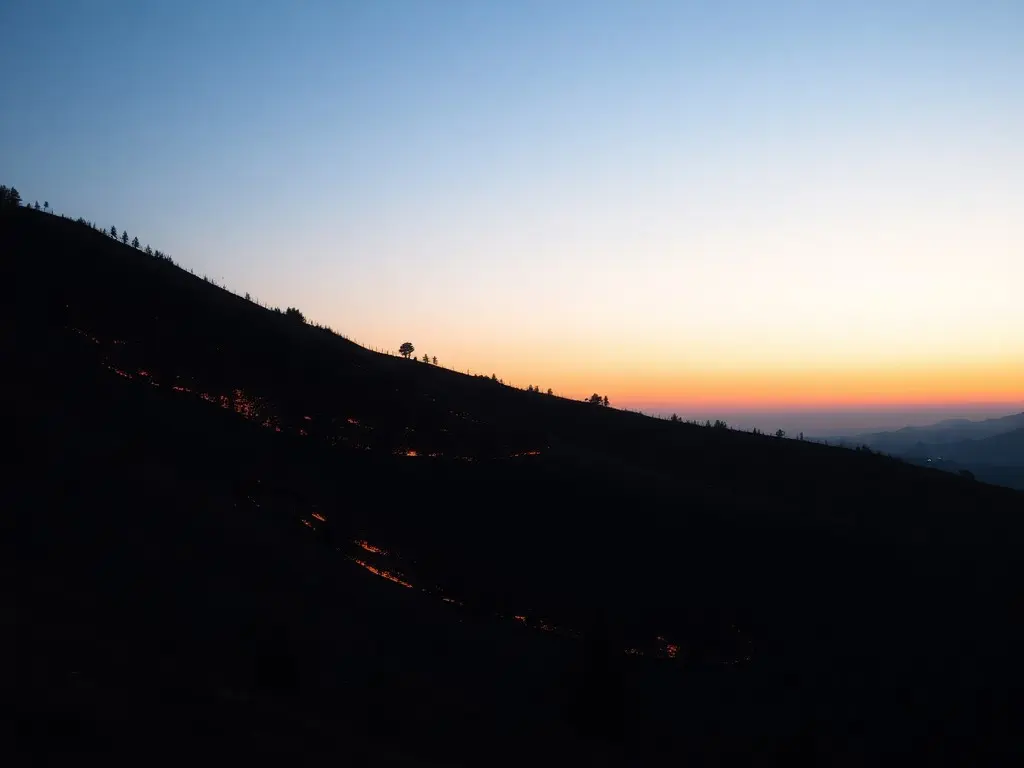
Linda Cantey, an aerospace engineer who lost her home in California’s 2017 Atlas Wildfire, developed a fire-proof bunker called Fort to protect residents during evacuations. The shed-like refuge, costing $60,000, holds eight people for four hours and is one of several high-tech solutions emerging as wildfires worsen, including hydraulic homes that retreat underground.
Linda Cantey, an aerospace engineer, watched her Napa, California, neighborhood burn in the 2017 Atlas Wildfire, which destroyed 783 structures and killed six people. After surviving the blaze but losing an elderly couple on her street to the flames, she sought a solution to prevent future tragedies. Cantey collaborated with Wildfire Safety Systems, a mining company specializing in underground refuge chambers, to design Fort, a fire-proof bunker launched in April. The shed-like structure, built with fire-resistant materials, can shelter eight people and valuables for four hours with breathable air. It costs $60,000 and is manufactured in Utah, with initial production expected to meet around 150 annual orders. Fort is one of several innovative responses to worsening wildfires, which NASA notes have doubled in extreme activity over the past two decades. Other solutions include hydraulic homes like HiberTec, which can retreat underground in minutes, though a 1,000 sq ft model costs approximately $1.2 million. Grass-clearing goats and flame-retardant home wraps are also emerging as costly but specialized options. Holden Forrest, a real estate and construction expert, conceived HiberTec Homes after the 2019 Woolsey Fire destroyed 1,200 homes near his Malibu residence. His hydraulic-home design, initially sketched on his daughter’s homework, is still in development, with the first homes expected by 2030. While Fort is intended as a last-resort lifesaver—not a replacement for evacuation—its creators hope it will reduce fatalities when escape routes are blocked. The bunker’s launch follows recent fires like California’s Sandy Fire, which burned over 2,000 acres and triggered evacuations in Simi Valley.
This content was automatically generated and/or translated by AI. It may contain inaccuracies. Please refer to the original sources for verification.