Shenzhou XXI astronauts return after 7 months in space
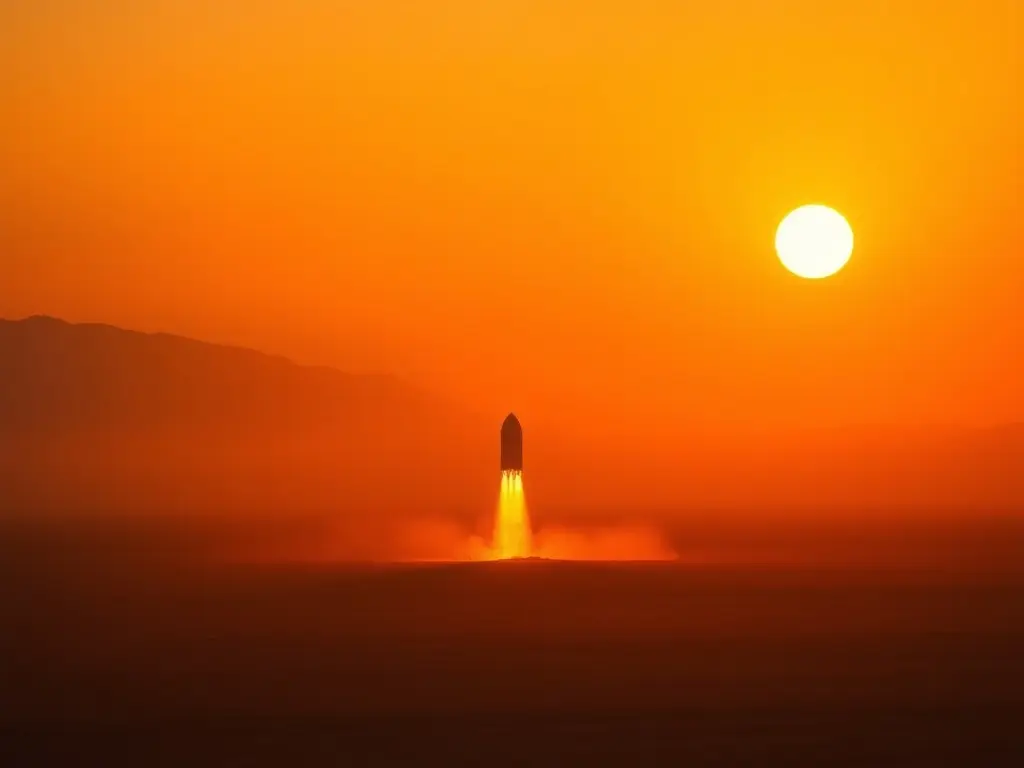
The Shenzhou XXI crew, including mission commander Senior Colonel Zhang Lu, Major Wu Fei, and Zhang Hongzhang, returned to Earth on May 30 after 210 days aboard the Tiangong space station, marking China’s longest single orbital mission. Their reentry capsule landed at the Dongfeng site in Inner Mongolia, concluding a mission that included three spacewalks and scientific assignments before handing over station control to the Shenzhou XXIII crew.
The Shenzhou XXI mission crew returned to Earth on May 30, landing at 8:11 pm at the Dongfeng landing site in Inner Mongolia’s autonomous region after 210 days in space. The capsule carried mission commander Senior Colonel Zhang Lu, spaceflight engineer Major Wu Fei, and payload specialist Zhang Hongzhang, who completed three spacewalks and multiple scientific tasks during their stay aboard China’s Tiangong space station. Ground recovery teams from the Jiuquan Satellite Launch Center opened the capsule’s hatch following safety checks and conducted a preliminary health assessment. The astronauts were then assisted out of the capsule and seated for a live broadcast with China Central Television before medical evaluations. Zhang Lu, a veteran of two space missions and now the Chinese astronaut with the most spacewalks (seven), expressed gratitude to ground support teams, recalling a symbolic apple gifted on launch day. He also honored science and technology workers ahead of China’s National Science and Technology Workers’ Day, wishing future missions success. The crew arrived at Tiangong on November 1, becoming the 10th resident group during China’s 16th manned spaceflight. On May 29, they handed over station control to the Shenzhou XXIII team, which had arrived on May 28. Zhang Hongzhang, a civilian scientist from the Chinese Academy of Sciences, highlighted the mission’s blend of scientific pursuit and national ambition. Shenzhou XXI’s return marks China’s longest continuous human spaceflight, surpassing previous records. The mission underscored advancements in China’s space program, including extended orbital stays and civilian participation in astronaut corps.
This content was automatically generated and/or translated by AI. It may contain inaccuracies. Please refer to the original sources for verification.