Shipping industry fears fuel shortages as Iran war squeezes bunker fuel supply
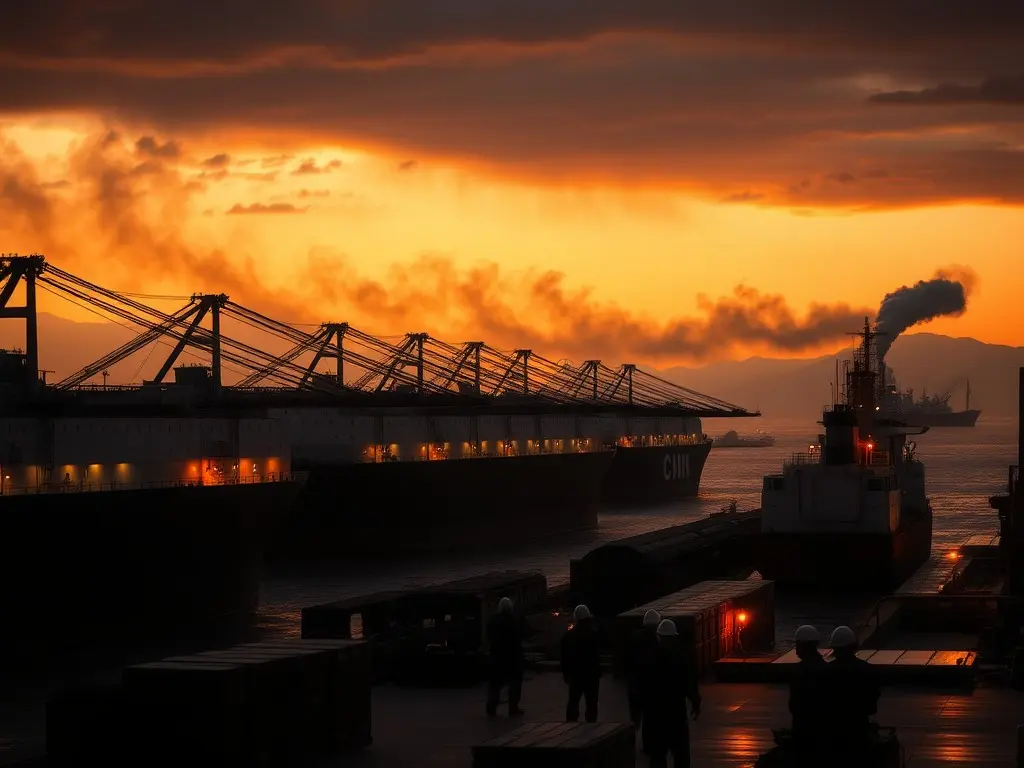
The Iran war has disrupted bunker fuel supplies, causing shortages in Singapore, the world’s largest refueling hub, and driving prices from $500 to over $800 per metric ton. Shipping companies are slowing vessels and facing higher costs, risking global supply chain disruptions and increased consumer prices worldwide.
The Iran war’s closure of the Strait of Hormuz has severely restricted bunker fuel supplies, a critical energy source for global shipping. Singapore, the world’s largest bunker fuel hub, is experiencing dwindling reserves and soaring prices, rising from $500 to over $800 per metric ton since early May. Over 80% of globally traded goods rely on maritime transport, meaning shortages will push up shipping costs and consumer prices worldwide. Asia, which handles over half of global seaborne trade, is adopting ‘energy triage’ measures like increased coal use and nuclear power plans to cope. However, prolonged disruptions from key suppliers like Iraq and Kuwait will worsen shortages, experts warn. Singapore’s fuel reserves remain stable for now, but prices continue climbing as demand outstrips supply. Shipping companies are absorbing costs temporarily but may soon pass expenses to consumers, according to analysts. The daily financial impact of the war on global shipping is estimated at 340 million euros ($400 million). Slowing vessel speeds by 2% since February 28 reflects the industry’s efforts to cut fuel consumption amid rising costs. Limited alternatives exist for shippers, who must choose between higher fuel prices or operational cuts like reduced speeds or suspended voyages. Green fuel alternatives are gaining interest, though production remains insufficient to meet demand. The cumulative effect of higher shipping costs threatens to disrupt global supply chains and inflate prices across industries. Singaporean consumers are already feeling indirect effects, with local ferries raising fares and luxury cruise liners adding fuel surcharges. The situation highlights the vulnerability of global trade to energy disruptions, with long-term consequences for businesses and economies worldwide.
This content was automatically generated and/or translated by AI. It may contain inaccuracies. Please refer to the original sources for verification.