Sigh of relief in Africa as the Strait of Hormuz ‘reopens’
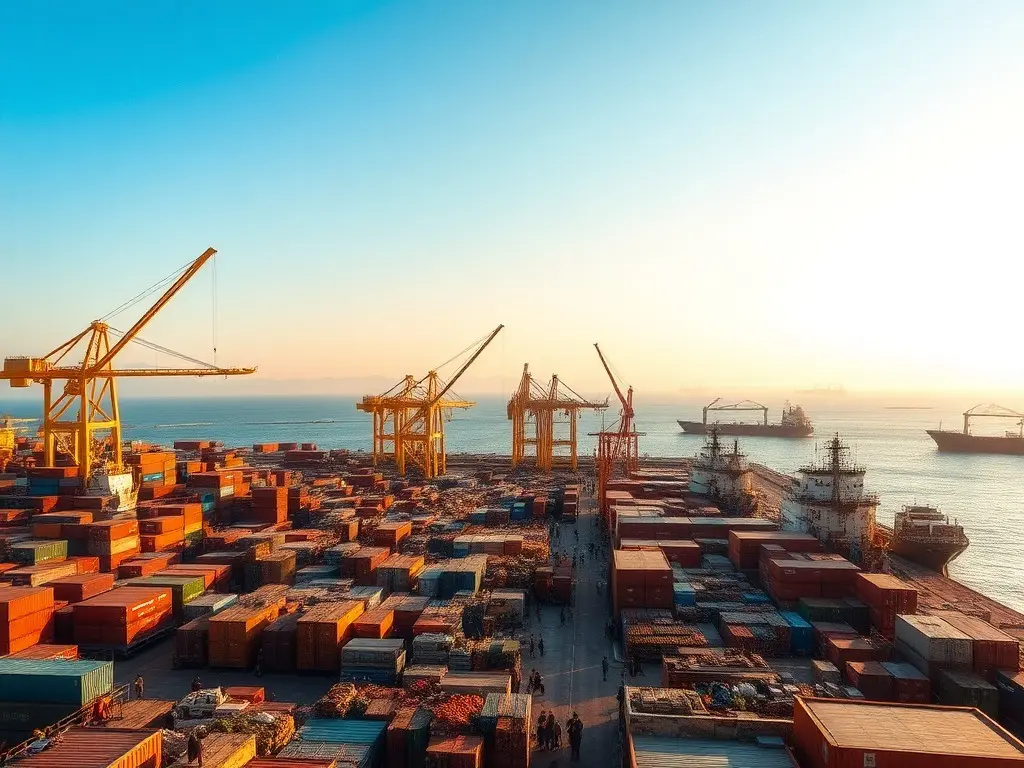
A potential US-Iran peace deal could reopen the Strait of Hormuz, easing global oil prices and freight costs, benefiting African economies like Kenya but reducing revenues for oil producers such as Nigeria and Angola. East African nations, heavily reliant on imports through the Strait, stand to see significant relief in transport, food, and fertilizer costs, while global fertilizer trade could stabilize with smoother shipping routes.
A potential US-Iran peace agreement has sparked optimism in Africa, as the Strait of Hormuz—a critical global shipping route for oil—could reopen, easing energy prices and freight costs. Roughly one-third of seaborne fertilizer trade passes through the Strait, making East African nations like Kenya particularly vulnerable to disruptions. The region imports 26% of its fertilizers and over 50% in Sudan through this route, while higher oil prices have driven up transport and food costs, straining economies. East African countries, including Kenya, would benefit most from lower oil prices, reducing inflation and easing pressure on import-dependent sectors like agriculture. Exporters of flowers, vegetables, and horticultural goods have faced rising costs due to detours caused by Strait disruptions, while higher fuel prices have increased transport and production expenses. Falling oil prices could stabilize supply chains, cut transport costs, and lower consumer prices across the region. Nigeria, Angola, and Algeria, as oil producers, would see less direct benefit from reduced prices, potentially facing short-term revenue declines. The Strait’s reopening could also stabilize global fertilizer trade, which has been disrupted by tensions in the Gulf. Kenya’s government has already faced political pressure due to rising energy costs, with subsidies straining public finances and export sectors like tea and coffee under strain. Economists, such as Samuel Nyandemo of the University of Nairobi, highlight the potential long-term gains for Africa, including smoother trade flows and reduced transport expenses. While West Africa and South Africa have alternative shipping routes, East Africa remains heavily dependent on the Strait for energy and critical imports. The agreement, if realized, could act as a stimulus for food security and economic stability in the region.
This content was automatically generated and/or translated by AI. It may contain inaccuracies. Please refer to the original sources for verification.