Singapore sees risk of slower growth, higher inflation in second half of year
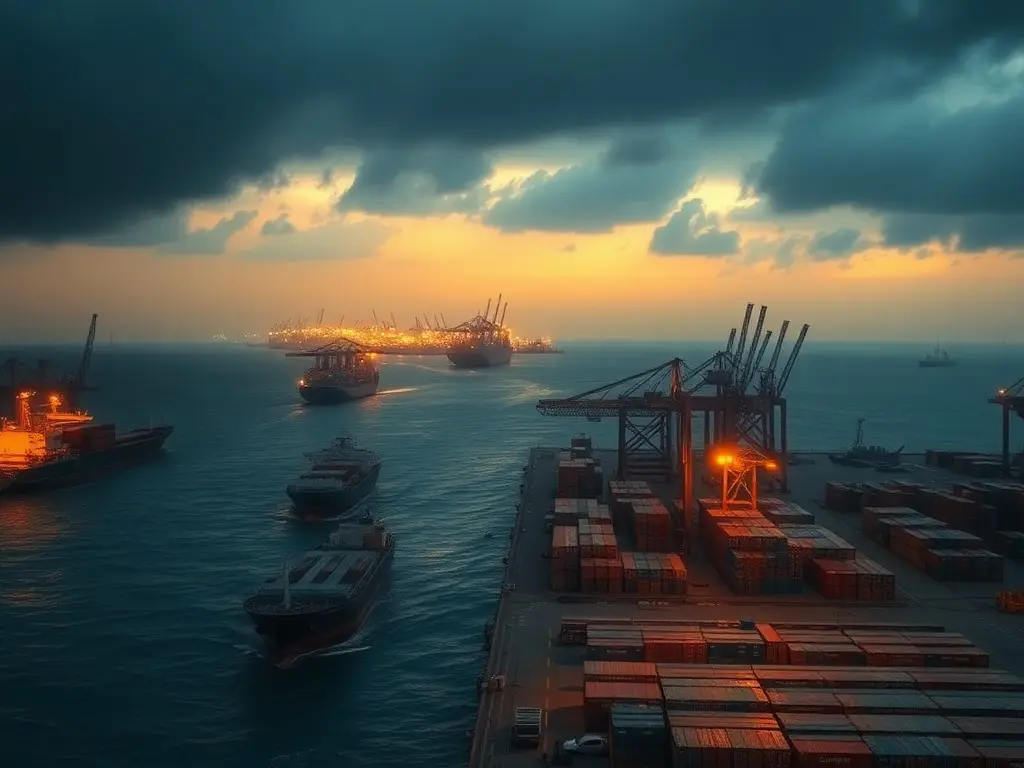
Singapore’s Prime Minister Lawrence Wong warned of slower growth and higher inflation in the second half of 2024 due to lingering effects of the Middle East war, particularly oil price spikes from Strait of Hormuz disruptions. The trade-dependent economy grew 6% year-on-year in Q1 but faces downside risks as global buffers like rerouted shipping and strategic reserves may deplete if conflicts persist.
Singapore’s economy risks slower growth and rising inflation in the second half of 2024 as the fallout from the Middle East war intensifies, Prime Minister Lawrence Wong said on Monday. While the first quarter saw 6% year-on-year growth driven by AI chip demand, the full impact of the US- and Israeli-led conflict—beginning February 28—has yet to materialize in economic data. Higher oil prices from disruptions in the Strait of Hormuz will strain the economy later, Wong noted, despite global adaptations like rerouted shipping and alternative energy supplies. However, the duration of these disruptions remains uncertain, with potential long-term effects on growth and inflation if the crisis prolongs. Wong acknowledged Singapore’s economic resilience, citing its diversity and strength, but cautioned that downside risks persist. The trade ministry maintained its 2026 GDP forecast of 2.0%–4.0% growth but emphasized continued monitoring of global developments, reserving the right to adjust projections if conditions worsen. The government’s outlook reflects concerns over dwindling buffers, such as strategic oil reserves, if the conflict extends beyond months. Wong stressed that while the economy has adapted better than expected so far, sustained disruptions could pressure both inflation and economic expansion in the latter half of the year.
This content was automatically generated and/or translated by AI. It may contain inaccuracies. Please refer to the original sources for verification.