Singapore's wild sambar deer population leaps from 15 to 120 in five years
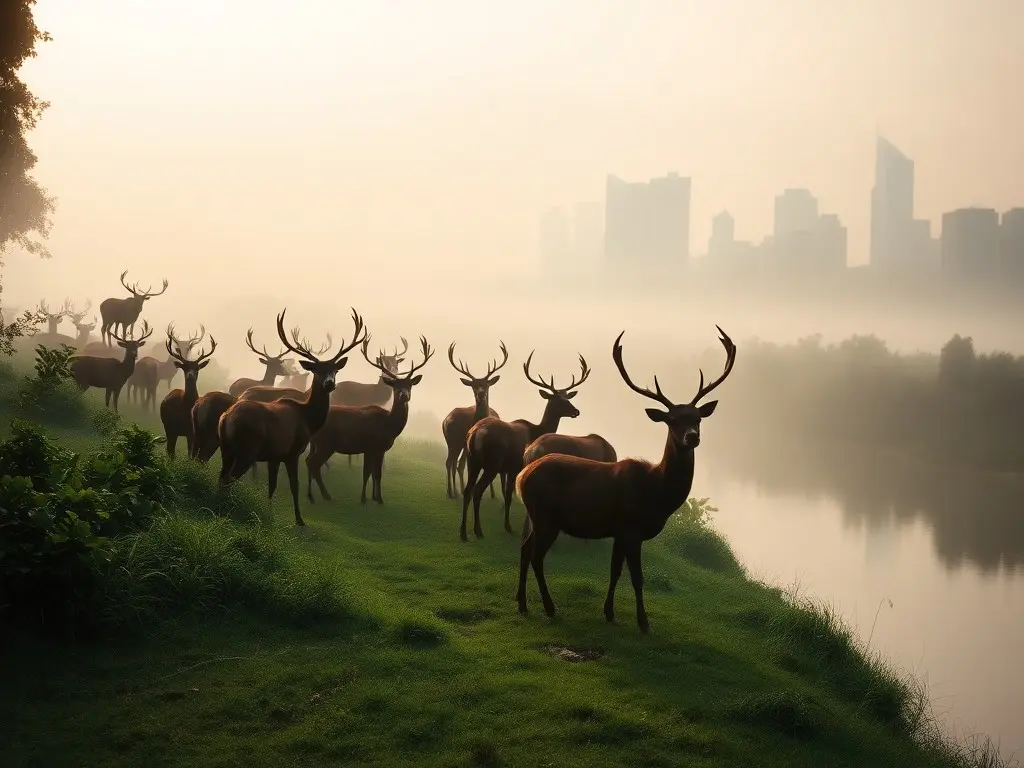
Singapore’s sambar deer population has surged from 15 to 120 in five years, raising concerns about herd management due to lack of natural predators and increasing human-wildlife encounters. Conservationists and authorities are exploring options like contraception, sterilization, or relocation to prevent conflicts and health risks as the species recovers from near-extinction status.
Singapore’s sambar deer, once feared extinct, have rebounded dramatically, with their population growing from 15 in 2021 to an estimated 120 across five forest zones. The species, the world’s third-largest deer, was thought extinct after World War II due to hunting and deforestation before reappearing in the 1970s. Today, herds are found in Mandai, Gali Batu, Chestnut Nature Park, Nee Soon Swamp Forest, and near Singapore Island Country Club, tracked via camera traps and nightly observations by the Save Sambar Deer initiative. The rapid growth has sparked concerns over unchecked expansion, as deer now venture into residential areas like Choa Chu Kang, increasing human-wildlife encounters. Experts warn that without intervention, risks shift from extinction to conflicts, disease, and ecological imbalance. The National Parks Board (NParks) and conservationists like Jay Lim and Emma Robertson Chia are considering population control measures, including contraceptives, sterilization, or relocation abroad, though these require careful planning. Nutritional deficiencies have also emerged, with some deer showing signs of mineral shortages, prompting the Save Sambar Deer team to install salt lick blocks in Mandai and Gali Batu. Despite their recovery, sambar deer remain listed as vulnerable by the International Union for Conservation of Nature (IUCN), highlighting the need for balanced management to sustain their comeback. Lim emphasized the urgency of a formal deer management program, stating the population will likely keep rising without intervention. While options like sterilization or relocation are being explored, authorities stress the importance of avoiding unintended ecological consequences. The growing visibility of the species also offers an opportunity to raise awareness about wildlife conservation in urban environments.
This content was automatically generated and/or translated by AI. It may contain inaccuracies. Please refer to the original sources for verification.