Six countries at risk from 'Doomsday Glacier' collapse as ice shelf to vanish 'in months'
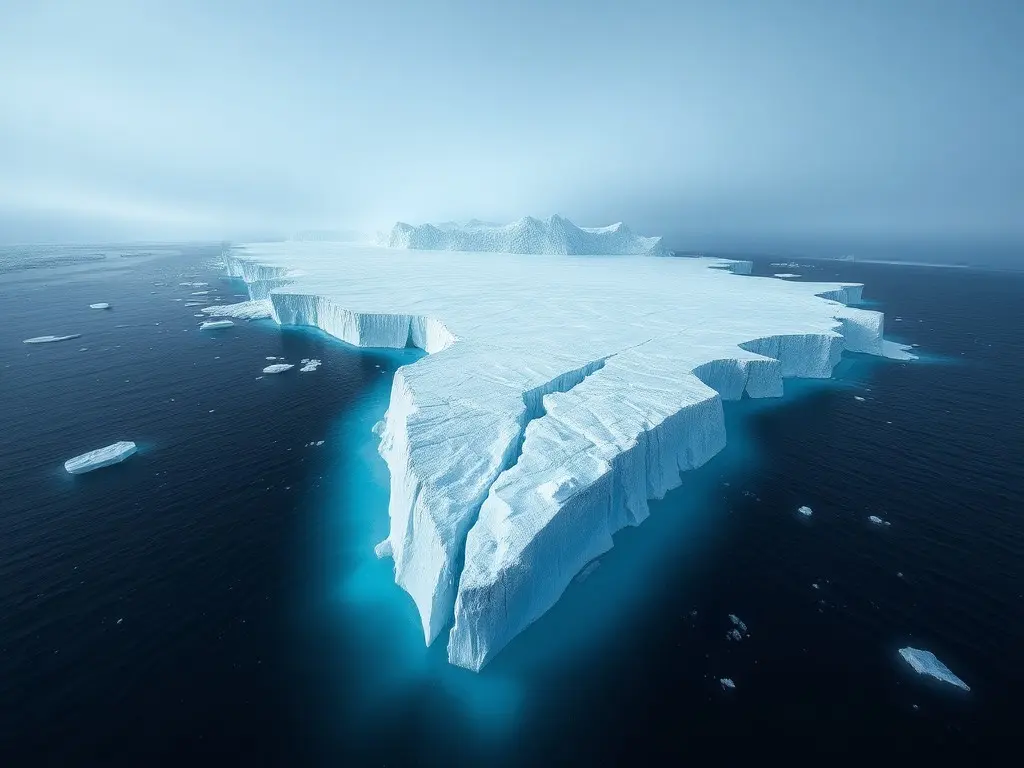
The Thwaites Glacier in Antarctica, also known as the 'Doomsday Glacier', is at risk of collapse, which could raise sea levels by over two feet. A major ice shelf that forms part of the glacier is likely to break up this year, according to Robert Larter, a marine geophysicist with the British Antarctic Survey.
The Thwaites Glacier in Antarctica is being closely monitored for its potential to dramatically affect sea levels around the world. Nicknamed the 'Doomsday Glacier', it holds enough ice to raise sea levels by over two feet if it were to completely melt. A major ice shelf that forms part of the glacier is 'very likely' to break up this year, according to Robert Larter, a marine geophysicist with the British Antarctic Survey. The collapse of the glacier could trigger a catastrophic collapse across the regions, threatening sea level rises of up to three metres. The UK is one of the countries most at risk from rising sea levels, with experts warning that large areas of the Lincolnshire and Norfolk coasts are likely to be under water by 2050. Other countries at risk include the Netherlands, where Climate Central's map shows that a rise in sea level could cause extensive flooding. Six countries in total are at risk from the collapse of the Thwaites Glacier. The glacier's collapse is being driven by the erosion of its base by warm seawater, which is causing the flow of ice into the surrounding ocean to become more rapid. As climate change continues, many of our major coastal cities will be under threat from more frequent and extreme flooding.
This content was automatically generated and/or translated by AI. It may contain inaccuracies. Please refer to the original sources for verification.