Smacking children could lead to lower GCSE grades, study suggests
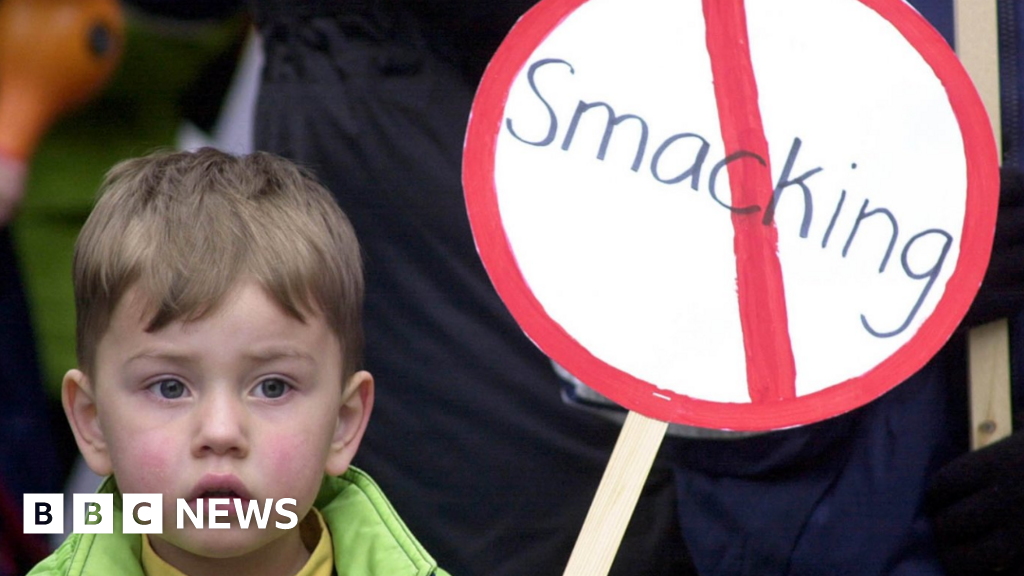
A study by University College London (UCL) found that children smacked as punishment were 5.7 percentage points more likely to fail to achieve five GCSE pass grades (A*-C) in England, including in English and Maths, and 33% more likely to engage in risky behaviors by age 14. Researchers called for England and Northern Ireland to outlaw smacking, aligning with laws already in place in Scotland and Wales, though the UK government has no plans to change the legislation.
Researchers from University College London (UCL) analyzed data from 19,000 children born in the UK between 2000 and 2002, tracking their experiences with physical punishment at ages three, five, and seven. The study found that smacking did not benefit children and was linked to negative outcomes, including a 5.7 percentage point increase in the likelihood of failing to achieve five GCSE pass grades (A*-C) in core subjects like English and Maths. Additionally, 14-year-olds who had been physically punished in early childhood were 33% more likely to engage in risky behaviors, such as bullying. The study, which reviewed data from 7,559 GCSE students in England against the National Pupil Database, concluded that smacking 'does no good whatsoever,' prompting researchers to urge England and Northern Ireland to ban physical punishment, similar to Scotland and Wales. Scotland outlawed smacking for under-16s in 2020, and Wales followed in 2022, but the practice remains legal in England and Northern Ireland. Lead researcher Associate Professor Anja Heilmann emphasized that smacking does not help children and called for equal legal protection for children against physical assault as adults receive. The Department for Education in England stated that while child safety and well-being are priorities, there are no current plans to change the law on smacking. The study also revealed that one in five 10-year-olds had experienced physical punishment in 2021, with mothers having higher education levels being less likely to use it. Critics of a ban argue it could criminalize parents, while supporters, like Baby College owner Amy Woods, advocate for legal protection for children, stating that warmth and responsive relationships are more effective than violence. The study’s observational nature means it cannot prove a direct causal link between smacking and negative outcomes, as other factors may influence a child’s development. However, researchers argue that the findings suggest harmful trends associated with physical punishment. Some experts, like Professor Ellie Lee from the University of Kent, caution against oversimplifying child development, noting that boundaries and discipline are necessary for teaching societal rules. The Northern Ireland executive did not respond to requests for comment.
This content was automatically generated and/or translated by AI. It may contain inaccuracies. Please refer to the original sources for verification.