Soaring healthcare costs put California school districts and teachers at odds
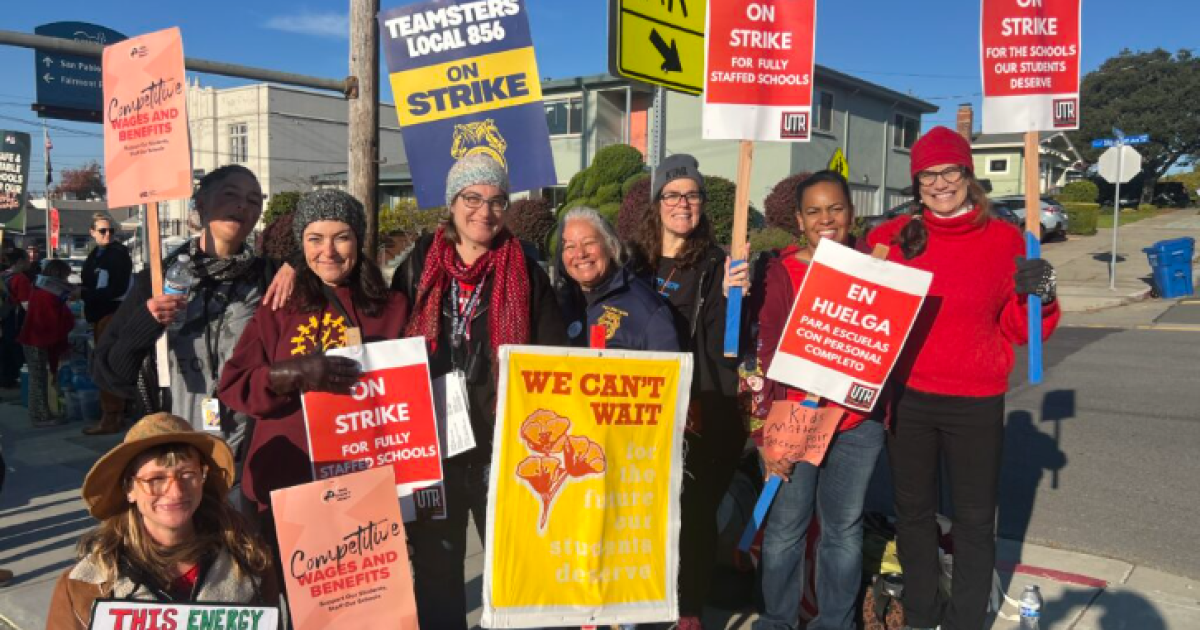
California school districts face labor disputes as teachers strike over soaring healthcare costs, with some paying up to $1,600 monthly for premiums, while districts struggle with funding constraints. A 2025 survey found 69% of teachers say rising out-of-pocket healthcare expenses are eroding salary gains, pushing some to consider leaving the profession.
California teachers have staged multiple strikes this year over escalating healthcare costs, with Twin Rivers Unified in Sacramento halting classes for 12 days in March after premiums for some reached $1,600 per month. Other districts, including Little Lake City, Natomas Unified, and Dublin Unified, also saw walkouts lasting between four and 10 days, all ending with concessions on health benefits. School districts across the state are grappling with declining enrollment, expiring federal aid, and rising pension costs, making healthcare premiums a flashpoint in negotiations. Teachers argue that out-of-pocket expenses now exceed mortgage payments for some, while districts claim they cannot absorb the full cost without cutting other services. Healthcare costs have surged nearly 500% since 2013-14, outpacing school funding growth, according to School Services Inc. On average, California districts spend 8% of their daily attendance funding on employee health and welfare benefits for the 2024-25 school year, per a recent *Getting Down to Facts III* report. Between 2018 and 2022, average healthcare premiums for public school employees rose 14%, while teacher salaries increased by only 10%, according to the National Council on Teacher Quality. A July 2025 survey of nearly 2,000 California teachers found 69% say high out-of-pocket costs are eating into their paychecks, with 40% considering leaving the profession. California Teachers Association President David Goldberg noted that while public perception views teacher healthcare benefits as generous, reality shows many pay steep premiums. Heather Peske, president of the National Council on Teacher Quality, warned that rising premiums outpacing salary growth are making it harder for educators to stay in the field. Negotiations remain unresolved in some districts, such as Modesto City Schools, where teachers demand greater district contributions to health benefits. The financial strain has intensified as insurance rates continue climbing steadily beyond salary adjustments.
This content was automatically generated and/or translated by AI. It may contain inaccuracies. Please refer to the original sources for verification.