Solar brings power to women entrepreneurs in Borneo, but rural energy inequality remains
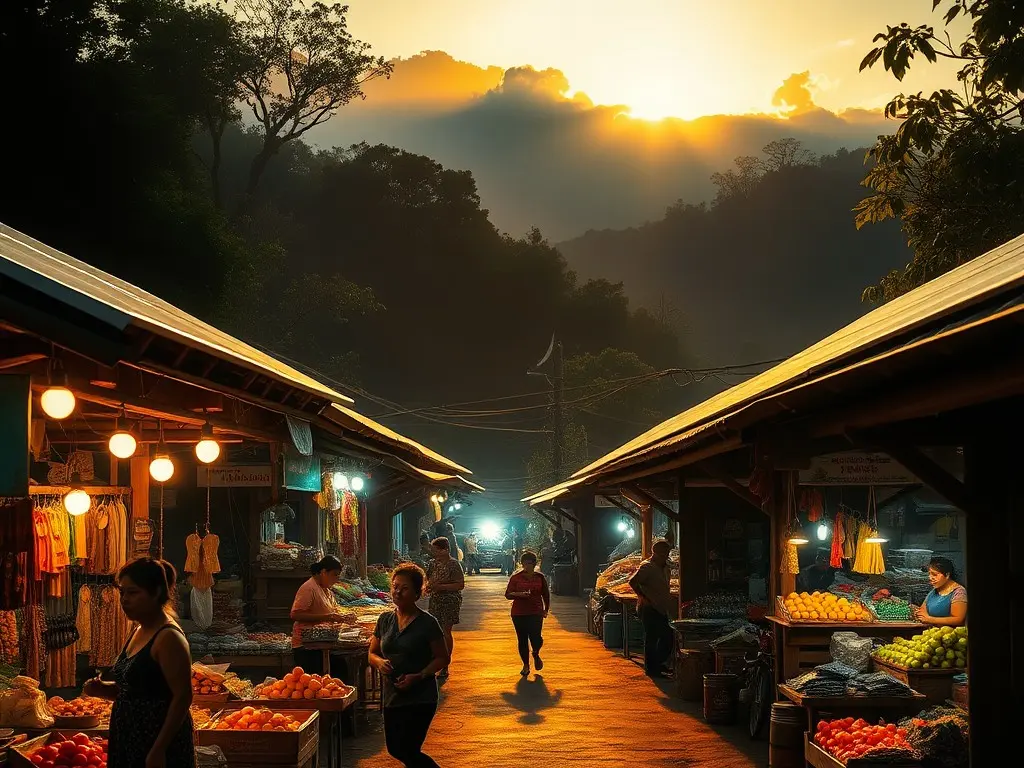
Solar energy installations in Muara Enggelam, East Kalimantan, have empowered women entrepreneurs by enabling small businesses, but rural electrification in Indonesia remains uneven due to persistent reliance on diesel generators and government fossil fuel subsidies. Despite a 99% national electrification rate, 1.4 million Indonesians still lack access to electricity, with remote communities like Muara Enggelam facing challenges in accessing reliable power.
In Muara Enggelam, a remote village in East Kalimantan’s Indonesian Borneo, solar energy arrived in 2015 after funding from Indonesia’s energy ministry. The installation allowed households to start small businesses selling food and drinks, while mobile internet expanded market access via social media. However, the village’s electricity capacity remains limited, and diesel generators still dominate rural power supply across Indonesia. Muara Enggelam, home to around 750 people, is accessible only by boat, with the nearest town a two-hour journey away. Before solar, residents relied on unreliable diesel generators, which ran only from dusk to dawn and frequently broke down, plunging the village back into darkness. Asniah, a mother of three, recalled nights of darkness before electrification, highlighting the economic and social barriers faced by isolated communities. Indonesia’s electrification rate rose from two-thirds of households in 2010 to 99% in 2020, but rural inequality persists. Government data show 1.4 million people nationwide still lack electricity, with remote villages often excluded from grid connections. A report by Celios and Greenpeace attributes this stagnation to government fossil fuel subsidies, which hinder the transition to renewable energy. The lack of electricity disproportionately harms women and children, as indoor burning of fuels like kerosene causes thousands of pneumonia deaths among children under five annually, according to UNICEF. Local governments and charities have introduced small solar systems and microhydro projects to address gaps, but diesel generators remain the primary power source in hundreds of villages. Despite progress, the energy transition in Indonesia’s rural areas remains stalled. While solar power has unlocked economic opportunities in Muara Enggelam, broader systemic challenges—including infrastructure limitations and policy barriers—continue to leave millions without reliable electricity.
This content was automatically generated and/or translated by AI. It may contain inaccuracies. Please refer to the original sources for verification.