Solar-Powered Vehicle Technology
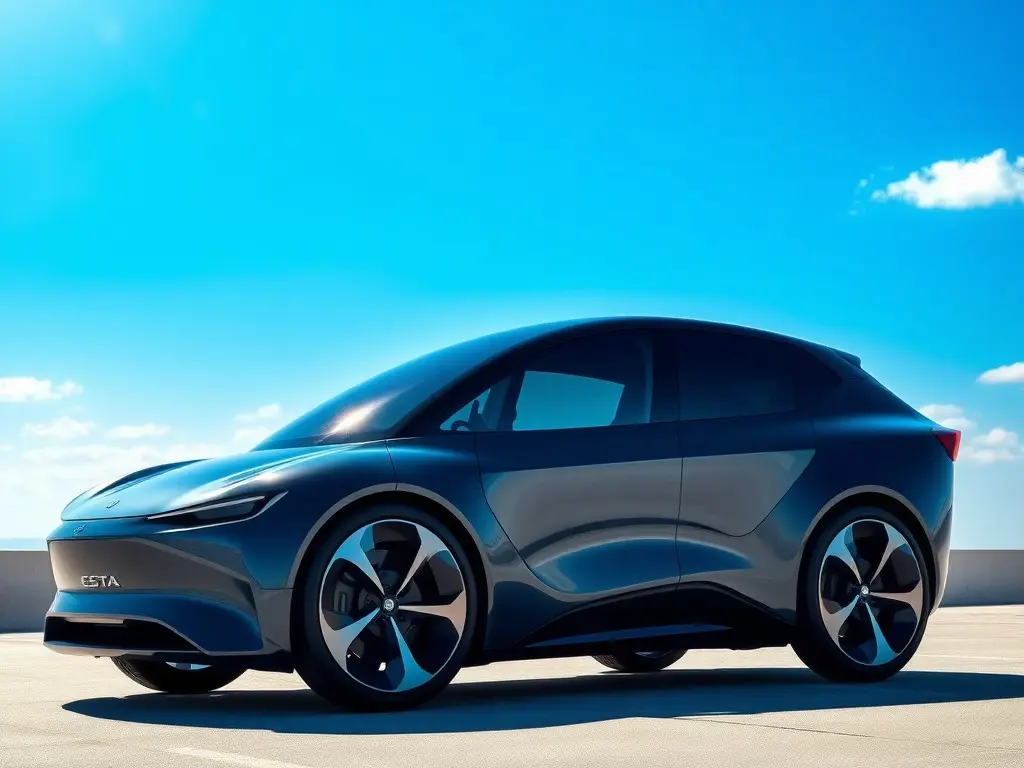
Automakers and suppliers are advancing solar-integrated vehicle technology to extend driving range and reduce reliance on charging infrastructure, with innovations like curved solar modules and lightweight materials overcoming challenges like durability and aerodynamics. Experts from Fraunhofer Institute, SBD Automotive, and Webasto Group highlight cost reductions, efficiency gains, and design adaptations to integrate photovoltaics into roofs, hoods, and body surfaces while ensuring safety and performance.
Automakers and suppliers are accelerating the integration of solar technology into vehicles to improve energy efficiency and reduce dependence on grid-based charging. Solar panels in cars must withstand vibration, road debris, and mechanical stress, requiring lightweight, flexible designs like curved crystalline silicon modules. Martin Heinrich of the Fraunhofer Institute for Solar Energy Systems notes advancements in photovoltaic efficiency and vehicle-specific adaptations, including hood integration and power electronics tailored for automotive use. Robert Fisher, senior manager at SBD Automotive Germany GmbH, emphasizes that falling solar panel costs and higher conversion efficiencies now make vehicle integration viable. Automakers are investing in seamless designs that maintain aerodynamics and aesthetics while enhancing performance. Sebastian Erhart of Webasto Group highlights the challenges of mobile solar systems, which face harsher conditions than stationary panels, including constant vibration and aerodynamic forces. Recent innovations include lightweight photovoltaic materials and flexible solar panels, enabling applications beyond roofs—such as hoods and body surfaces. These advancements aim to power auxiliary systems like infotainment, lighting, and ventilation while extending electric vehicle range. Experts agree that collaboration between automotive and solar industries is driving progress, with ongoing research into curved modules and yield predictions to optimize efficiency. Safety remains a priority, as solar modules must meet crash-worthiness standards while operating at lower voltages than stationary systems. The technology is evolving rapidly, with automakers exploring ways to harness solar energy even while vehicles are parked. Industry leaders anticipate broader adoption as costs continue to decline and integration solutions mature.
This content was automatically generated and/or translated by AI. It may contain inaccuracies. Please refer to the original sources for verification.