Soot from rocket launches is polluting Earth’s upper atmosphere
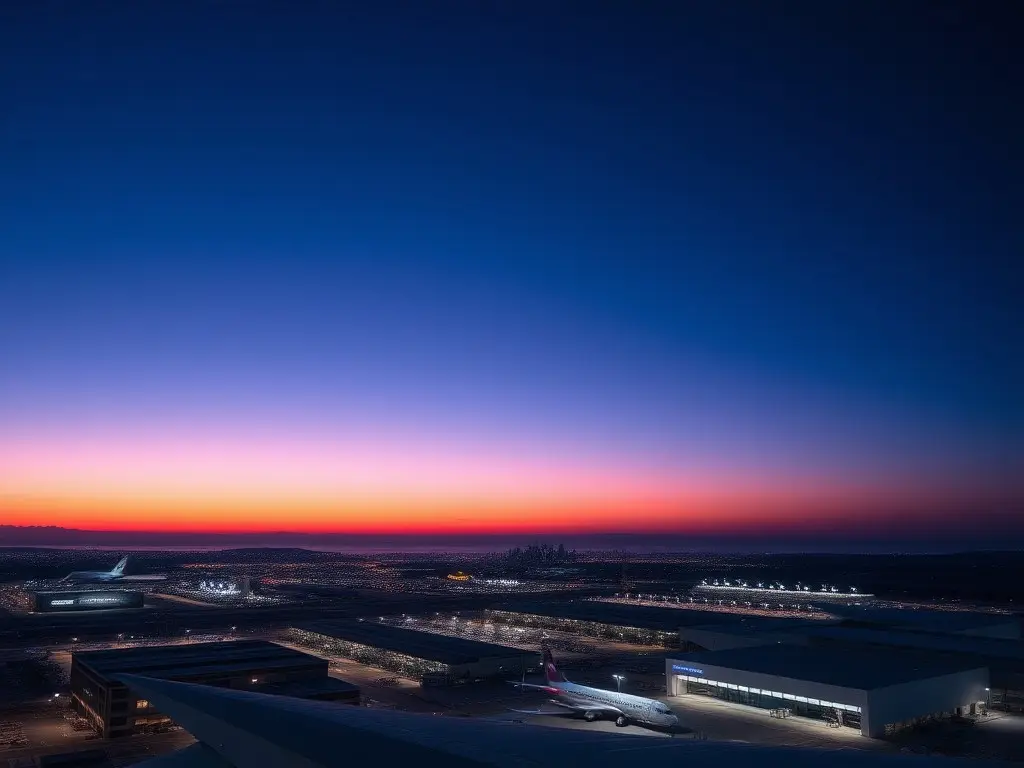
Researchers at University College London found that soot from rocket launches lingers in the upper atmosphere 540 times longer than ground-based soot, posing potential climate risks. The study warns that rising launches—particularly from SpaceX’s Falcon 9 rockets and China’s 2025 record of 92 attempts—could release 870 tonnes of soot annually by 2029, exceeding UK passenger car emissions.
A study led by University College London (UCL) reveals that soot from rocket launches persists in the upper atmosphere far longer than soot from ground sources like cars or power plants. Researchers analyzed data from 2020 to 2022 and found these particles are 540 times more effective at altering Earth’s climate, raising concerns about unregulated pollution from the growing space industry. The increase in rocket launches—driven by SpaceX’s Falcon 9 and China’s record 92 attempts in 2025—has surged since 2019. By 2029, the space industry may emit 870 tonnes of soot annually, surpassing the UK’s entire passenger car fleet emissions of 728 tonnes yearly, according to lead author Connor Barker. Soot from rocket fuel absorbs sunlight, creating a minor cooling effect, but researchers warn this masks broader risks. Professor Eloise Marais, UCL’s team leader, emphasizes the need for regulation, as current emissions tracking remains uncertain. The study, published in *Earth’s Future*, predicts future estimates may understate the problem due to the rise of megaconstellations. Barker urges immediate research to mitigate unintended climate consequences before they become irreversible. UCL is developing an emissions tracker to visualize space industry pollution, highlighting gaps in regulation. Experts stress the urgency of addressing this ‘unregulated geoengineering experiment’ before environmental impacts worsen.
This content was automatically generated and/or translated by AI. It may contain inaccuracies. Please refer to the original sources for verification.