South Africa: Franschhoek's Floods Are Not Only About an Abnormal Rainfall Event, They Are Compound Disasters
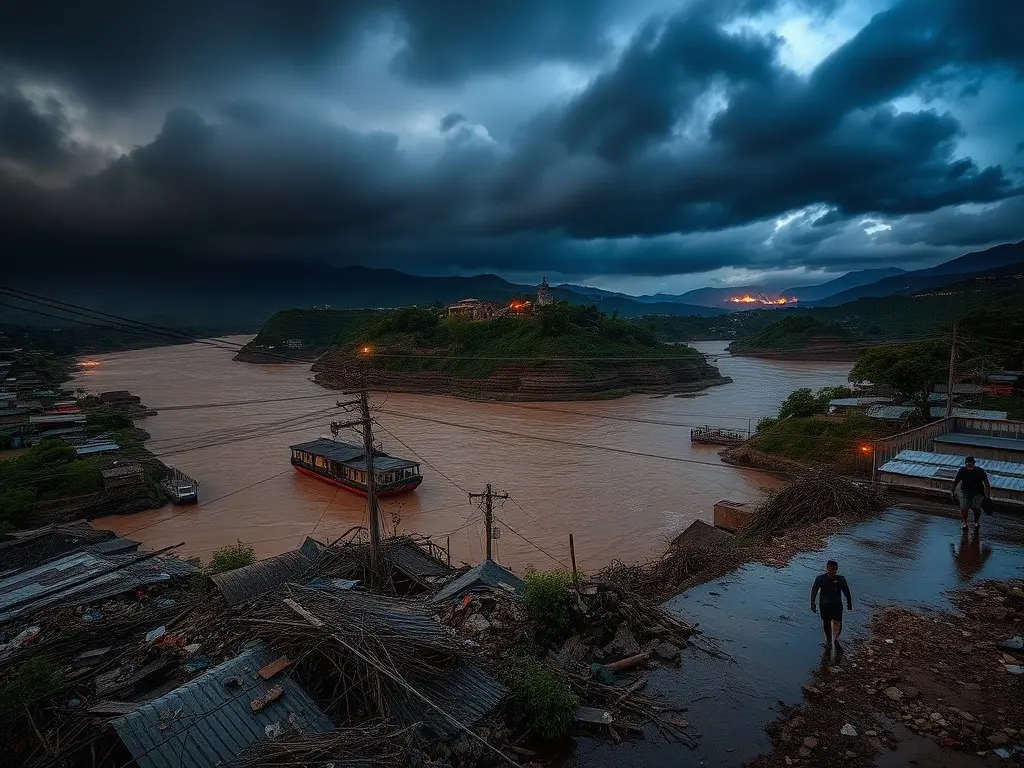
Flooding in Franschhoek, South Africa, in May 2026 exposed compound disaster risks, where extreme rainfall of 160mm over three days combined with pollution and poor river management worsened damage, particularly in informal settlements along the Stiebeuel River. The event highlighted systemic failures in waste management and infrastructure resilience, compounded by unseasonal weather linked to climate change, with prior heavy rainfall in September 2023 exacerbating vulnerabilities for over 12,000 residents in informal areas.
The recent floods in Franschhoek, South Africa, revealed deeper issues beyond natural extreme weather. Between May 10 and 12, 2026, the region recorded 160mm of rainfall in just three days, an unusual early-winter event that overwhelmed local infrastructure. While formal town areas received attention for flood damage and cleanup efforts, the Stiebeuel River—flowing through a densely populated informal settlement of about 12,000 people—suffered severe but underreported impacts. The river’s headwaters lie less than 3km from the town center before merging with the Franschhoek River, leaving residents in informal areas particularly exposed. The storm’s effects were compounded by pre-existing vulnerabilities. In September 2023, the same catchment experienced over 300mm of rainfall, causing earlier flooding that tested community resilience. This time, wind damage to informal housing structures was severe, while pollution and inadequate waste management worsened the disaster’s impact. Experts note that climate change-driven unseasonal weather events are colliding with systemic failures, including underserved informal settlements and poor river management practices. The Stiebeuel River, normally a small stream, became a major hazard during the floods, underscoring the risks posed by unchecked urban expansion and environmental neglect. Residents in informal areas, already marginalized, face repeated exposure to such disasters due to inadequate infrastructure. The flooding also highlighted the need for integrated solutions addressing both climate adaptation and social equity in disaster-prone regions. Local authorities have yet to fully address the root causes, leaving communities vulnerable to future extreme weather events. The Franschhoek floods serve as a warning: without targeted interventions, compound disasters—where climate change intersects with human-made failures—will continue to disproportionately affect the most vulnerable populations.
This content was automatically generated and/or translated by AI. It may contain inaccuracies. Please refer to the original sources for verification.