South Korea, U.S. align on nuclear-powered subs
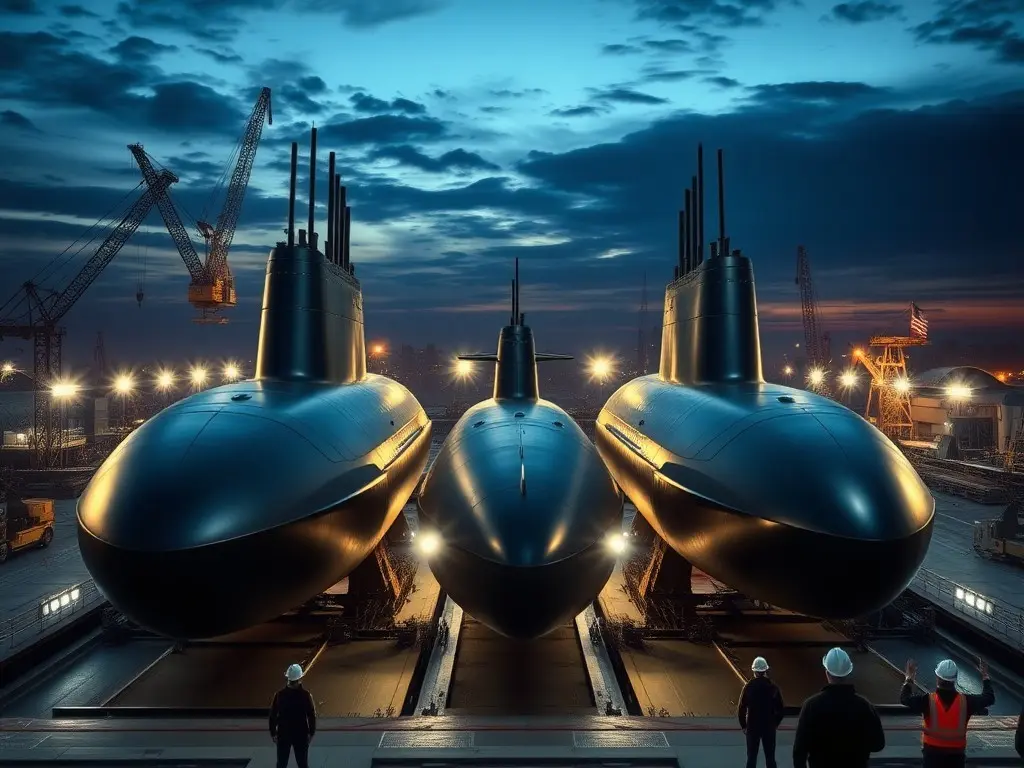
South Korea and the U.S. agreed that Seoul’s nuclear-powered submarine program will enhance alliance defense capabilities, with construction planned in South Korea despite earlier U.S. suggestions to build in Philadelphia. Both nations also committed to expanding nuclear energy cooperation while addressing concerns over nonproliferation norms and revising the 123 Agreement.
South Korea’s Foreign Ministry confirmed Tuesday that the U.S. supports Seoul’s plans to develop nuclear-powered submarines, framing the project as a key alliance capability for defending the Korean Peninsula. The agreement was reached during the inaugural meeting to implement the South Korea-U.S. Joint Fact Sheet (JFS), held June 2-3, where officials emphasized domestic construction in South Korea, overriding earlier remarks by former U.S. President Donald Trump suggesting Philly Shipyard would build the vessels. The two sides stressed that the submarines are intended to bolster regional security without targeting any specific country. Additionally, they agreed to launch full-scale talks on expanding South Korea’s uranium enrichment and spent fuel reprocessing rights, acknowledging the need to adjust the current 123 Agreement with the U.S. Diplomatic sources noted potential revisions or special legislation to overcome existing restrictions. Foreign Minister Cho Hyun attended a working lunch during the talks to encourage progress, and officials described the atmosphere as positive, with the U.S. delegation appearing serious about negotiations. However, South Korea remains cautious due to U.S. nonproliferation concerns and uncertainties surrounding Trump’s potential influence on decision-making. South Korean President Lee Jae Myung’s recent criticism of nuclear weapons development as ‘irresponsible’ underscored Seoul’s commitment to nonproliferation. The government will accelerate consultations with Washington, including follow-up meetings led by national security councils and frequent working-level talks. The inaugural JFS meeting followed a seven-month delay, with both sides agreeing to expedite discussions on nuclear cooperation and submarine construction. A Foreign Ministry official reiterated that South Korea’s nonproliferation stance is critical to avoiding misinterpretations during negotiations.
This content was automatically generated and/or translated by AI. It may contain inaccuracies. Please refer to the original sources for verification.