South Korea warned on fragmented air defenses
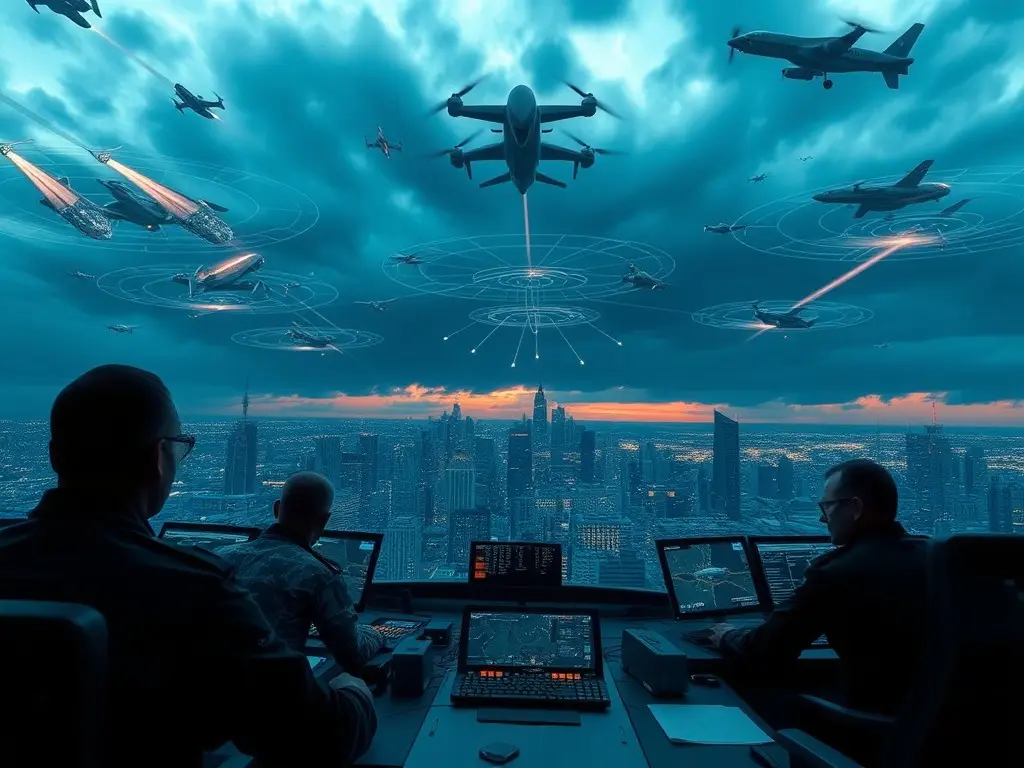
South Korean military, industry, and academic experts warned that fragmented air defenses are inadequate against modern threats like drone swarms and AI-enabled attacks, urging an integrated system linking sensors, command, and interceptors. The Future of Integrated Air and Missile Defense conference in Daejeon emphasized the need for closer collaboration among sectors and next-generation capabilities, citing lessons from conflicts in Israel-Iran and Ukraine-Russia.
South Korean defense experts convened in Daejeon on June 9 to highlight the urgent need for an integrated air and missile defense system. At the Future of Integrated Air and Missile Defense conference, hosted by the Korea Association of Defense Industry Studies, speakers warned that current fragmented systems cannot effectively counter modern battlefield threats, including drone swarms combined with ballistic and cruise missiles. Kim Jin-ki, chairman of the association, stressed that national survival depends on linking sensors, command decisions, and interceptors into a unified network. The event, sponsored by Northrop Grumman and organized alongside the InLEX KOREA 2026 defense exhibition, drew officials from U.S. Forces Korea, foreign defense attachés, and South Korean defense firms. Rep. Yoo Yong-won urged faster development of missile defense systems, noting global interest in South Korea’s Cheongung-II missile interceptor. Kim Ki-won, a research fellow at the Korea Institute for Defense Analyses, argued that increasing interceptor numbers alone is insufficient against saturation attacks, advocating for AI-based intelligent engagement control and a smart defense network. Northrop Grumman’s Sean McLay emphasized shifting from platform-centered to network-centered defense architectures, citing their Integrated Battle Command System, which connects sensors and engagement assets. Former Air Force 3rd Missile Defense Brigade commander Moon Oh-sun noted that while South Korea’s individual air defense weapons are world-class, organizational silos limit effectiveness. He called for breaking down barriers among military branches to enable seamless information sharing and command decisions. Experts also warned that no missile defense system can intercept every threat, urging South Korea to build multilayered survival structures, including public air raid shelters. Domestic defense companies presented technologies like LIG D&A’s integrated fire control network, which transitions from engagement control to broader fire control systems. The conference underscored the necessity of collaboration among military, industry, academia, and research institutions to address evolving threats.
This content was automatically generated and/or translated by AI. It may contain inaccuracies. Please refer to the original sources for verification.