Space Stocks Pull Back Following Blue Origin Explosion: Who Is Being Hit Hardest?
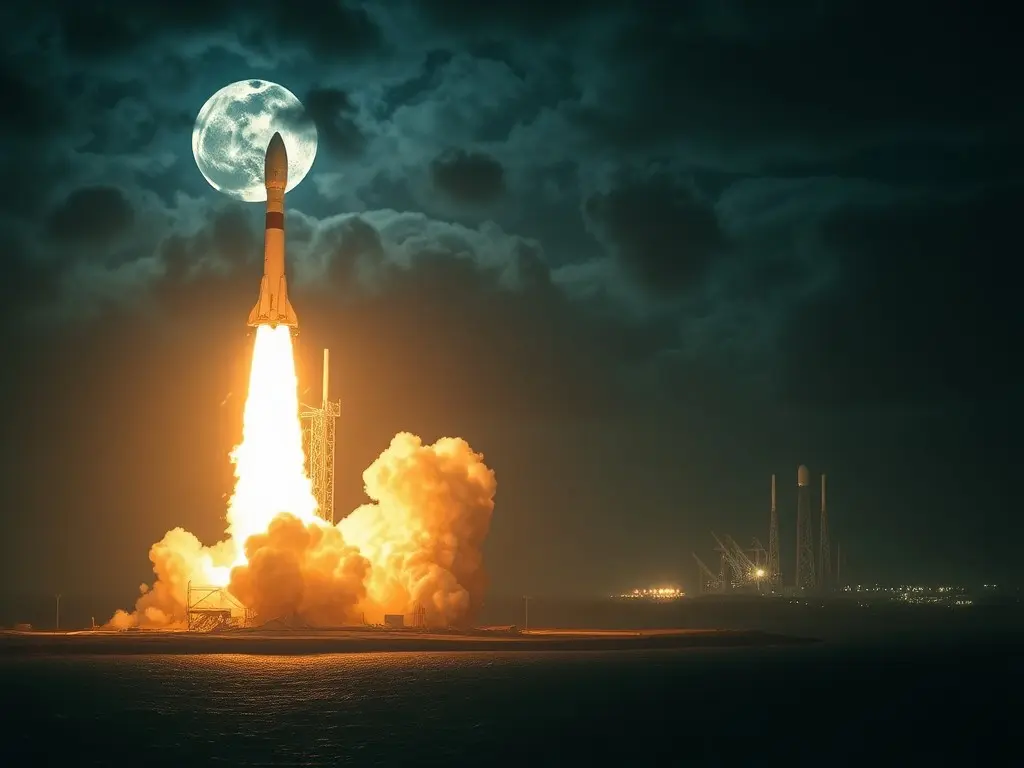
A Blue Origin New Glenn rocket exploded during a test at Cape Canaveral on May 28, 2026, triggering a sell-off in space stocks like AST SpaceMobile (-13.8%), Intuitive Machines (-6.78%), Rocket Lab (-4.85%), and Planet Labs (-4.65%). The incident follows prior setbacks, including a failed April 2026 mission that stranded an AST SpaceMobile satellite in a useless orbit, raising doubts about Blue Origin’s reliability and market competitiveness against SpaceX.
A Blue Origin New Glenn rocket exploded during a hot-fire engine test at Cape Canaveral on May 28, 2026, creating a visible fireball across Florida’s coast. The incident occurred ahead of a planned satellite mission and follows a series of setbacks for Jeff Bezos’s space venture, including a failed April 2026 launch that left AST SpaceMobile’s BlueBird 7 satellite in an unusable orbit. The Federal Aviation Administration classified that failure as a “mishap,” intensifying regulatory scrutiny. The explosion triggered a sharp sell-off in space stocks, with AST SpaceMobile shares plunging 13.8%, Intuitive Machines dropping 6.78%, Rocket Lab falling 4.85%, and Planet Labs declining 4.65%. The market reaction underscores concerns about Blue Origin’s ability to compete with SpaceX, particularly after its debut orbital flight in early 2025 failed to recover its booster—a key cost-saving feature. AST SpaceMobile is most exposed to Blue Origin’s struggles, as its business model relies on a steady launch cadence to deploy a satellite constellation for direct-to-smartphone broadband. The loss of BlueBird 7 in April already caused a 15% share drop, and the latest explosion deepens investor concerns about delays and revenue timelines. Blue Origin had positioned itself as a rival to SpaceX in heavy-lift launches, attracting commercial and government contracts. However, repeated failures—including the April mishap and the booster recovery issue—have eroded confidence in its reliability and cost efficiency. The company now faces heightened scrutiny over whether it can meet market demands in an increasingly competitive sector. Analysts note that the compounding effect of these setbacks outweighs any single incident, signaling broader risks for space stocks. The explosion serves as a reminder that aerospace execution challenges persist despite recent market optimism, particularly following SpaceX’s anticipated initial public offering.
This content was automatically generated and/or translated by AI. It may contain inaccuracies. Please refer to the original sources for verification.