SpaceX cargo mission launching 6,500 pounds of supplies and science to space station
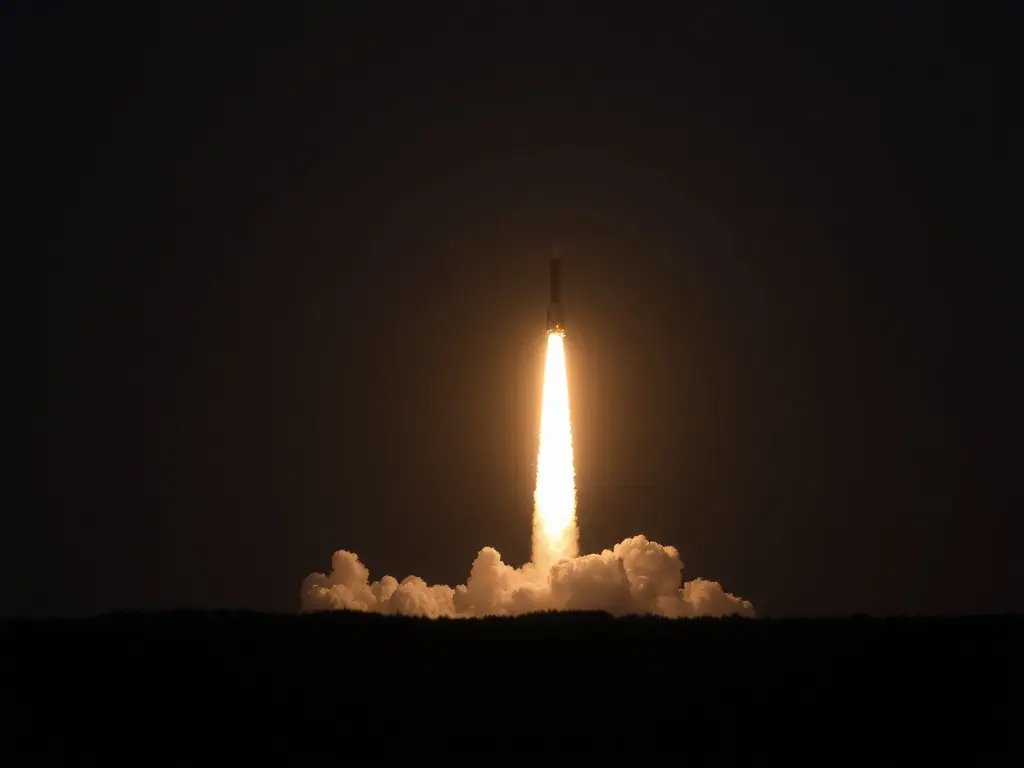
SpaceX and NASA are preparing to launch a resupply mission, CRS-34, carrying 6,500 pounds of supplies and science experiments to the International Space Station from Cape Canaveral Space Force Station on June 12. The mission includes experiments on osteoporosis treatments, Earth’s charged particles, planetary formation, and microbial radiation effects, along with critical hardware for the station’s crew and systems.
SpaceX and NASA will launch the CRS-34 mission from Cape Canaveral Space Force Station on June 12 at 6:50 p.m. ET, carrying 6,500 pounds of supplies, hardware, and science experiments to the International Space Station. The mission uses a Cargo Dragon capsule atop a Falcon 9 rocket, with the booster set to land back at Cape Canaveral about eight minutes after liftoff, potentially causing sonic booms in Central Florida. The launch was delayed from June 11 due to weather conditions. The mission delivers 1,363 pounds of crew supplies, 1,834 pounds of science investigations, and hardware for spacewalks, vehicle systems, and computers. Key experiments include studying osteoporosis treatments, observing charged particles affecting Earth’s power grids and satellites, and examining how microgravity and space radiation impact microbes. According to Liz Warren, deputy chief scientist for NASA’s International Space Station Program, research on microbes could improve future space missions and develop new infection control methods for hospitals. The mission also includes replacement parts for the station’s urine-recycling water system and a new power cable for the crew’s exercise equipment. This marks the sixth flight for the Dragon capsule and the Falcon 9 booster, part of NASA’s commercial resupply contracts. The capsule will dock at the station for about a month before returning to Earth in mid-June, splashing down in the Pacific Ocean off California. It will carry back completed experiments, including data from the Advanced Plant Habitat, which studied long-duration plant growth.
This content was automatically generated and/or translated by AI. It may contain inaccuracies. Please refer to the original sources for verification.