SpaceX delays test launch of its reusable rocket Starship by 2 days
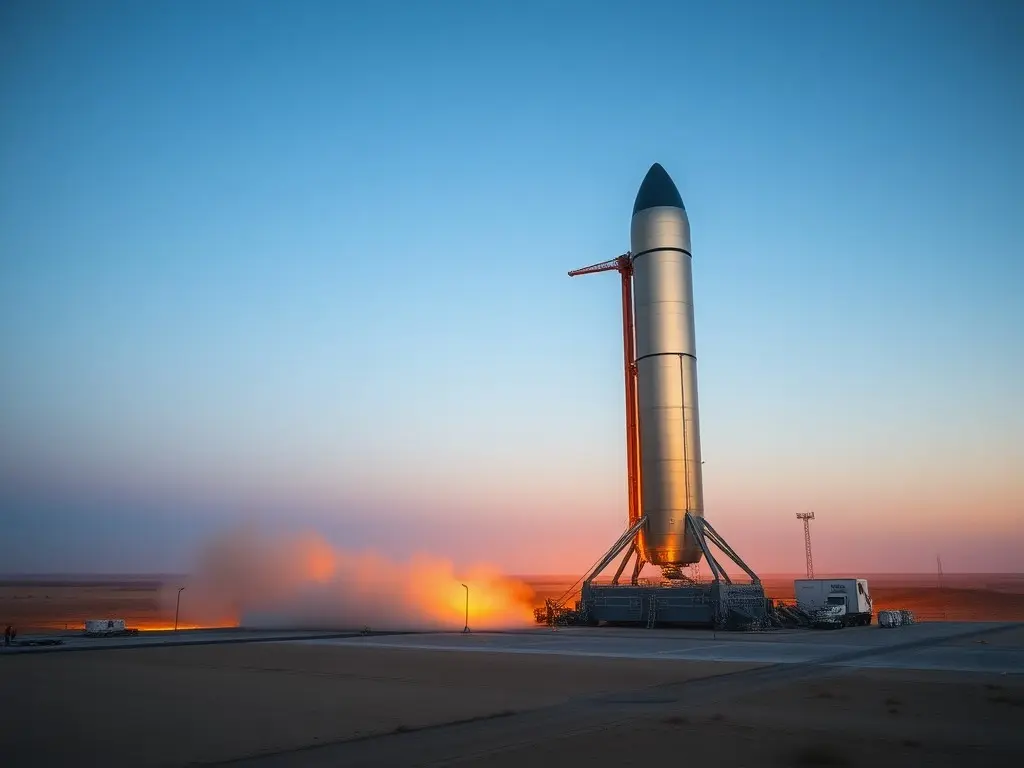
SpaceX has delayed the test launch of its reusable Starship rocket by two days, now targeting May 22 at 4:00 am IST from South Texas, citing routine safety checks for the upgraded 'Version 3' system. The flight will test new engine designs, booster separation, orbital maneuvers, and heat shielding, with no crew aboard for this uncrewed mission.
SpaceX has postponed the launch of its Starship rocket by two days, rescheduling the test flight for early Friday, May 22, at 4:00 am Indian Standard Time (IST) from its Starbase facility in South Texas. The delay allows additional safety checks on the upgraded 'Version 3' Starship and Super Heavy booster, which feature stronger engines, taller fuel tanks, and redesigned steering fins. This mission marks the first flight of the new version, incorporating significant structural and performance improvements. The rocket will attempt a full launch sequence, including booster separation, engine reignition, and a controlled ocean landing for both the Super Heavy booster and the upper Starship stage. The upper stage will also carry test satellites, restart an engine in space, and evaluate heat shielding during re-entry. No crew will be aboard, as the flight is designed to collect critical data for future crewed missions. SpaceX emphasized that delays are standard for complex test flights, with no reported technical issues prompting the postponement. The company will stream the launch live on its website and X (formerly Twitter), beginning 45 minutes before liftoff, pending final weather and system checks. The Starship system is intended to be fully reusable, aiming to reduce space travel costs for missions to the Moon, Mars, and satellite deployments. Previous test flights have provided valuable lessons, with each iteration bringing the rocket closer to operational reliability. Success in this test would validate the upgrades and pave the way for more frequent launches. SpaceX’s methodical approach underscores the challenges of developing next-generation space technology. Even minor adjustments reflect the rigorous standards required for safe and sustainable space exploration. The outcome of this test will be closely watched by the aerospace industry and space enthusiasts alike.
This content was automatically generated and/or translated by AI. It may contain inaccuracies. Please refer to the original sources for verification.