SpaceX IPO could make Elon Musk world’s first trillionaire
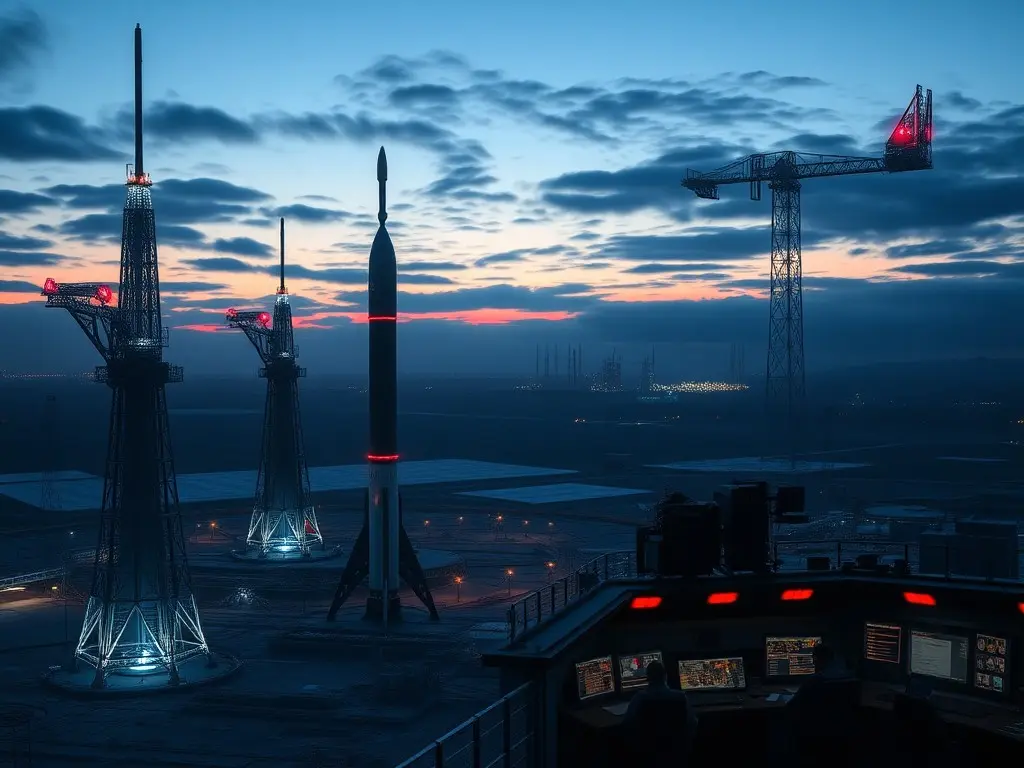
Elon Musk plans a potential $75 billion SpaceX IPO that could make him the world’s first trillionaire, despite the company posting $2.6 billion in losses last year. The proceeds will fund Mars colonization efforts, though the filing highlights struggles in Musk’s acquired businesses, including X (formerly Twitter) and xAI, which lost $6.4 billion in operations." "article": "Elon Musk’s SpaceX filed plans for a potential $75 billion initial public offering (IPO), which could surpass Saudi Aramco’s 2019 record of $26 billion. The move aims to fund ambitious projects, including establishing a permanent human colony on Mars with at least one million inhabitants—a key milestone tied to Musk’s compensation. Current filings show SpaceX lost $2.6 billion in operations last year on $18.7 billion in revenue, with losses continuing into 2025. The IPO proceeds will also support SpaceX’s lunar and Martian missions, framed as a response to existential threats facing humanity. Musk’s compensation structure includes stock grants contingent on achieving a $7.5 trillion market cap for SpaceX, along with milestones like space-based data centers. His base salary remains $54,080, unchanged since 2019, with stock awards tied to performance benchmarks. Starlink, SpaceX’s satellite internet division, remains a financial bright spot, generating $4.4 billion in operating income last year by serving 10 million users across 150 countries. However, Musk’s recent acquisitions—social media platform X (formerly Twitter) and AI venture xAI—are significant liabilities, with xAI alone reporting a $6.4 billion operating loss in 2024. SpaceX’s growth has relied heavily on government contracts, totaling $6 billion from NASA and the Defense Department over the past five years. Critics question whether Musk’s political connections, including his major donations to Donald Trump’s campaigns, have influenced contract awards. With Trump’s presidency ending, the company’s future reliance on federal funding faces scrutiny. The prospectus also outlines Musk’s long-term vision, including plans for reusable rockets and interplanetary colonization. However, the filing underscores financial risks, particularly in non-core businesses, as SpaceX seeks to balance innovation with profitability ahead of its potential market debut.
Elon Musk’s SpaceX filed plans for a potential $75 billion initial public offering (IPO), which could surpass Saudi Aramco’s 2019 record of $26 billion. The move aims to fund ambitious projects, including establishing a permanent human colony on Mars with at least one million inhabitants—a key milestone tied to Musk’s compensation. Current filings show SpaceX lost $2.6 billion in operations last year on $18.7 billion in revenue, with losses continuing into 2025. The IPO proceeds will also support SpaceX’s lunar and Martian missions, framed as a response to existential threats facing humanity. Musk’s compensation structure includes stock grants contingent on achieving a $7.5 trillion market cap for SpaceX, along with milestones like space-based data centers. His base salary remains $54,080, unchanged since 2019, with stock awards tied to performance benchmarks. Starlink, SpaceX’s satellite internet division, remains a financial bright spot, generating $4.4 billion in operating income last year by serving 10 million users across 150 countries. However, Musk’s recent acquisitions—social media platform X (formerly Twitter) and AI venture xAI—are significant liabilities, with xAI alone reporting a $6.4 billion operating loss in 2024. SpaceX’s growth has relied heavily on government contracts, totaling $6 billion from NASA and the Defense Department over the past five years. Critics question whether Musk’s political connections, including his major donations to Donald Trump’s campaigns, have influenced contract awards. With Trump’s presidency ending, the company’s future reliance on federal funding faces scrutiny. The prospectus also outlines Musk’s long-term vision, including plans for reusable rockets and interplanetary colonization. However, the filing underscores financial risks, particularly in non-core businesses, as SpaceX seeks to balance innovation with profitability ahead of its potential market debut.
This content was automatically generated and/or translated by AI. It may contain inaccuracies. Please refer to the original sources for verification.