SpaceX launch of updated Starship V3 'delivered' on first flight
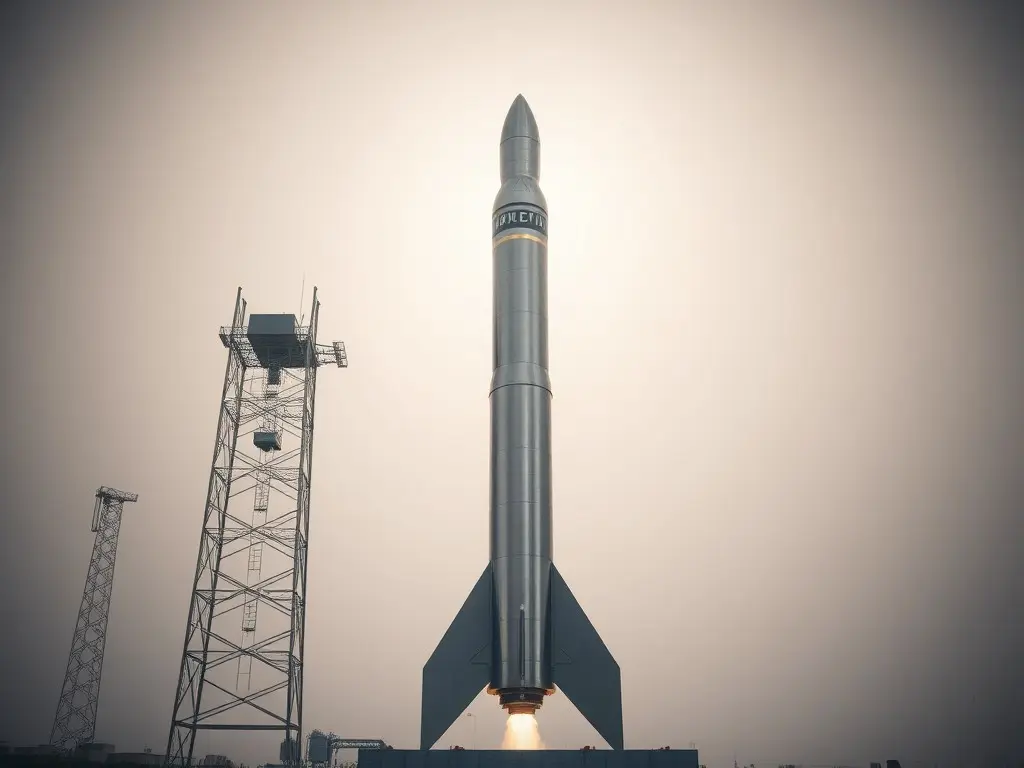
SpaceX successfully launched its updated Starship V3 prototype on May 22, meeting all mission goals including booster separation, dummy Starlink satellite deployment, and splashdown tests in the Gulf of Mexico and Indian Ocean. The 408-foot-tall Super Heavy rocket, powered by 33 redesigned Raptor engines, marked the first flight of this version critical for NASA’s Artemis moon missions, with Artemis III targeting 2028 to test Starship and Blue Origin’s Blue Moon lander integration." "article": "SpaceX achieved a milestone on May 22 with the first flight of its updated Starship V3 prototype, successfully launching the 408-foot-tall Super Heavy rocket from its Texas facility. The mission included the booster’s ascent, separation from the Starship upper stage, and splashdown tests in the Gulf of Mexico, followed by Starship’s suborbital maneuvers and splashdown in the Indian Ocean. SpaceX confirmed all objectives were met, including deploying 22 dummy Starlink satellites and simulating landing burns. The launch followed a scrubbed attempt on May 21 due to an unresolved engineering issue. The Super Heavy booster, equipped with 33 newly redesigned Raptor engines, executed a boost-back burn before splashing down, while Starship tested its heat shield and performed orbital adjustments. SpaceX commentators noted the fireball upon Indian Ocean splashdown was intentional, validating thermal protection systems. This Starship variant is a prototype for NASA’s Artemis program, with Artemis III in 2028 planned to use it—and Blue Origin’s unflown Blue Moon lander—to return astronauts to the moon. The mission will connect NASA’s Orion capsule, tested earlier this year, with the lunar landers. SpaceX’s progress is critical as the company develops Starship for crewed missions beyond low Earth orbit. The V3 update incorporates lessons from prior test flights, including improved engine performance and structural refinements. While not the final design, it represents a key step toward operational lunar missions. NASA’s Artemis series aims to establish a sustainable human presence on the moon, with Starship as a cornerstone for cargo and crew transport.
SpaceX achieved a milestone on May 22 with the first flight of its updated Starship V3 prototype, successfully launching the 408-foot-tall Super Heavy rocket from its Texas facility. The mission included the booster’s ascent, separation from the Starship upper stage, and splashdown tests in the Gulf of Mexico, followed by Starship’s suborbital maneuvers and splashdown in the Indian Ocean. SpaceX confirmed all objectives were met, including deploying 22 dummy Starlink satellites and simulating landing burns. The launch followed a scrubbed attempt on May 21 due to an unresolved engineering issue. The Super Heavy booster, equipped with 33 newly redesigned Raptor engines, executed a boost-back burn before splashing down, while Starship tested its heat shield and performed orbital adjustments. SpaceX commentators noted the fireball upon Indian Ocean splashdown was intentional, validating thermal protection systems. This Starship variant is a prototype for NASA’s Artemis program, with Artemis III in 2028 planned to use it—and Blue Origin’s unflown Blue Moon lander—to return astronauts to the moon. The mission will connect NASA’s Orion capsule, tested earlier this year, with the lunar landers. SpaceX’s progress is critical as the company develops Starship for crewed missions beyond low Earth orbit. The V3 update incorporates lessons from prior test flights, including improved engine performance and structural refinements. While not the final design, it represents a key step toward operational lunar missions. NASA’s Artemis series aims to establish a sustainable human presence on the moon, with Starship as a cornerstone for cargo and crew transport.
This content was automatically generated and/or translated by AI. It may contain inaccuracies. Please refer to the original sources for verification.