SpaceX launches its biggest, most beefed-up Starship yet on a test flight
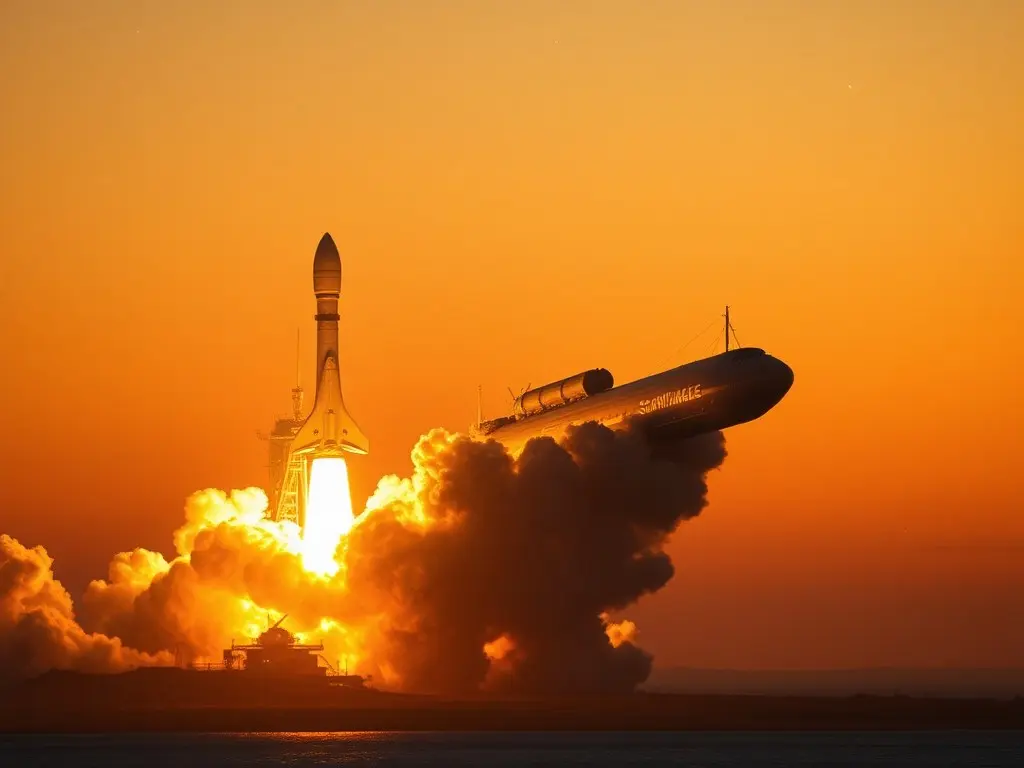
SpaceX launched its upgraded Starship V3 rocket from Texas on a test flight, reaching the Indian Ocean despite engine issues and intentional destruction upon impact. NASA Administrator Jared Isaacman attended the launch, calling it a step closer to Artemis moon missions, while SpaceX CEO Elon Musk praised the effort as 'an epic' achievement for humanity.
SpaceX successfully launched its latest Starship prototype, V3, from Starbase near the Mexican border in Texas on Friday. The 407-foot-tall rocket, the largest and most powerful version yet, carried 20 mock Starlink satellites and completed an hour-long flight halfway around the world before intentionally crashing into the Indian Ocean. SpaceX had anticipated the fiery end, though some engine trouble occurred during the booster’s return phase. The launch marked the 12th Starship test flight, with this version featuring upgrades like larger grid fins, a more robust fuel transfer line, and additional cameras and navigation systems. Despite fewer engines firing than planned, the spacecraft maintained control and completed its mission. Modified Starlink satellites provided live footage of the flight, offering a first glimpse of Starship in action. NASA Administrator Jared Isaacman attended the launch, emphasizing Starship’s role in the Artemis program, which aims to return astronauts to the moon. SpaceX is competing with Jeff Bezos’ Blue Origin for NASA’s lunar lander contracts, with Artemis III and IV missions targeting 2026 and 2028, respectively. Blue Origin’s Blue Moon lander remains untested, while SpaceX’s Starship has demonstrated repeated progress despite repeated fiery endings. The launch followed a delayed attempt on Thursday due to pad issues, avoiding the midair explosions seen in past flights. This test did not include recovery attempts, with the booster landing in the Gulf of Mexico and the upper stage in the Indian Ocean. SpaceX’s goal remains full reusability, though recovery systems were not tested in this flight. Starship’s design includes mechanical arms at launch pads to catch returning rocket stages, but none were deployed here. The spacecraft’s upgrades aim to improve reliability for future crewed missions to the moon and eventually Mars. NASA’s Artemis program, which includes docking trials next year, relies on Starship or Blue Moon for lunar landings, with safety and readiness determining the final choice.
This content was automatically generated and/or translated by AI. It may contain inaccuracies. Please refer to the original sources for verification.