SpaceX launches its biggest Starship mega rocket yet on test flight
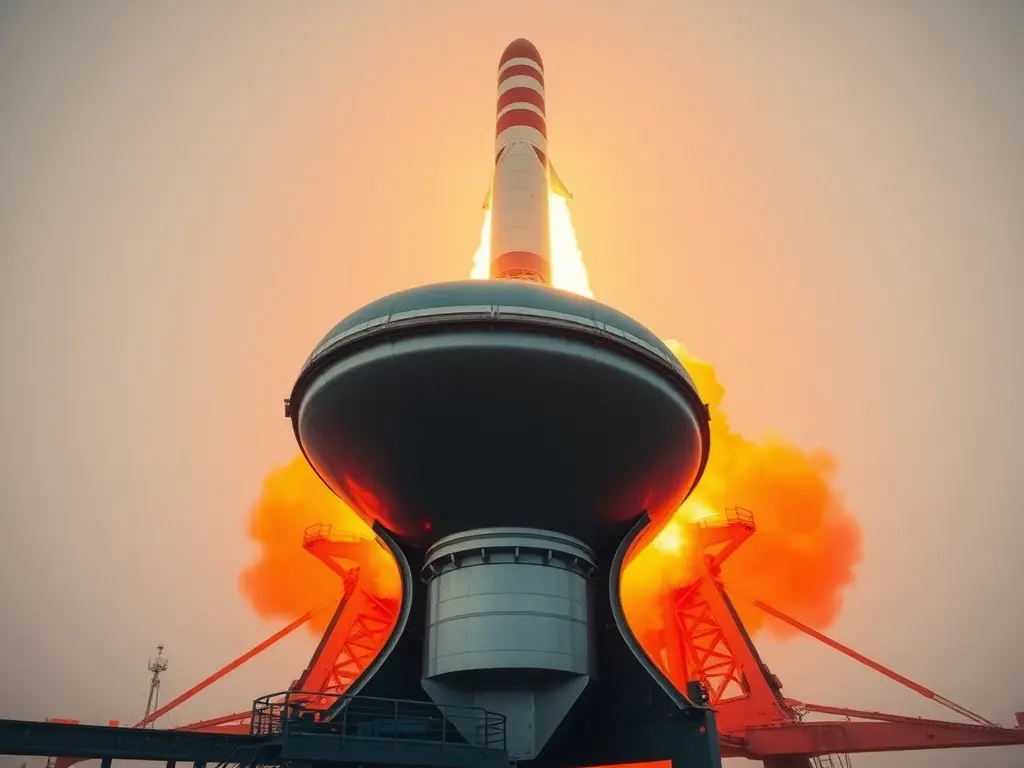
SpaceX launched its upgraded Starship mega rocket, the V3 model, from Starbase in Texas on a test flight, marking the 12th attempt and a key milestone for NASA’s Artemis program. The rocket, now taller and more powerful, carried 20 mock Starlink satellites but was not recovered, with booster and spacecraft stages splashing down in the Gulf of Mexico and Indian Ocean, respectively.
SpaceX successfully launched its most powerful Starship yet on Friday, a redesigned V3 model from Starbase near the Mexican border in Texas. The rocket, 407 feet tall, features upgraded grid fins, a larger fuel transfer line, and enhanced navigation systems, surpassing earlier versions by over a meter in height. This was the 12th test flight for Starship, with NASA relying on the vehicle for its Artemis lunar missions, including landing astronauts on the moon as early as 2028. The launch followed a delayed attempt on Thursday due to pad issues and came two days after SpaceX CEO Elon Musk announced plans to take the company public. The rocket carried 20 mock Starlink satellites, released mid-flight, but no recovery attempts were made, with the booster and spacecraft stages splashing down in the Gulf of Mexico and Indian Ocean. SpaceX aims for full reusability, though earlier flights ended in midair explosions. NASA has awarded billions to SpaceX and Jeff Bezos’ Blue Origin to develop lunar landers for Artemis missions. While Starship has reached space in prior tests, Blue Origin’s Blue Moon prototype remains untested, with a potential moonshot later this year. NASA’s Artemis III mission, planned for 2026, will test docking procedures in Earth orbit, with a crewed moon landing possible by 2028 using either Starship or Blue Moon. SpaceX is also marketing private spaceflights, including a Mars mission announced this week by Chinese-born bitcoin investor Chun Wang. Wang, who previously flew on a SpaceX Dragon capsule, plans to join the first interplanetary Starship mission, though no date or price was disclosed. The company has already secured reservations for lunar flybys, such as Dennis Tito’s planned mission around the moon. The latest test builds on SpaceX’s goal of making Starship fully reusable, with mechanical arms at launch pads designed to catch returning rocket stages. Despite past failures, including debris falling into the Atlantic during 2023 launches, the upgraded V3 model aims to improve reliability for future crewed missions to the moon and beyond.
This content was automatically generated and/or translated by AI. It may contain inaccuracies. Please refer to the original sources for verification.