SpaceX launches Starship rocket in key test for Musk’s IPO plans
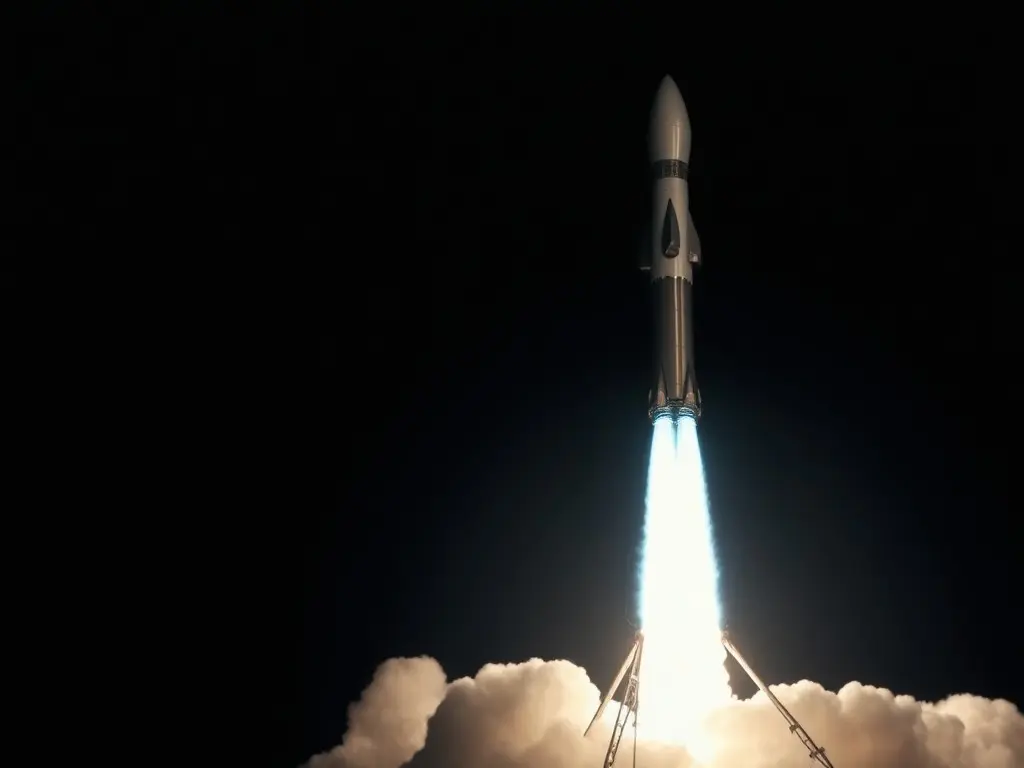
SpaceX successfully launched its Starship rocket (Version 3) from South Texas on Friday, marking a critical test for Elon Musk’s plans for Mars colonization, lunar missions, and Starlink satellite deployment. The mission, lasting about an hour, follows SpaceX’s IPO filing and aims to demonstrate upgrades in power and capability after months of delays and setbacks.
SpaceX’s Starship rocket, composed of the Super Heavy Booster and Starship spacecraft, lifted off at 5:30 p.m. local time from the Starbase facility in South Texas on Friday. This was the first flight of the third iteration, Version 3 (V3), intended to showcase improvements in power and capability compared to earlier prototypes. The mission, expected to last roughly an hour, is a key milestone for SpaceX, which filed for an initial public offering last week. The IPO filing revealed significant financial losses but also outlined a super-voting share plan to maintain Elon Musk’s control over the company. Starship is designed to transport cargo and humans to distant destinations, including Mars, and support SpaceX’s Starlink satellite network. The rocket is also critical for NASA’s $4 billion contract to land astronauts on the Moon and SpaceX’s plans for a lunar base. The launch follows a seven-month gap since the last Starship mission in October 2025, during which development faced explosive setbacks. Progress in Starship’s development is essential for advancing Musk’s long-term goals, including establishing a human settlement on Mars and expanding SpaceX’s orbital infrastructure.
This content was automatically generated and/or translated by AI. It may contain inaccuracies. Please refer to the original sources for verification.