SpaceX Listing Shows Retail Investors Can Drive Mega IPO Success
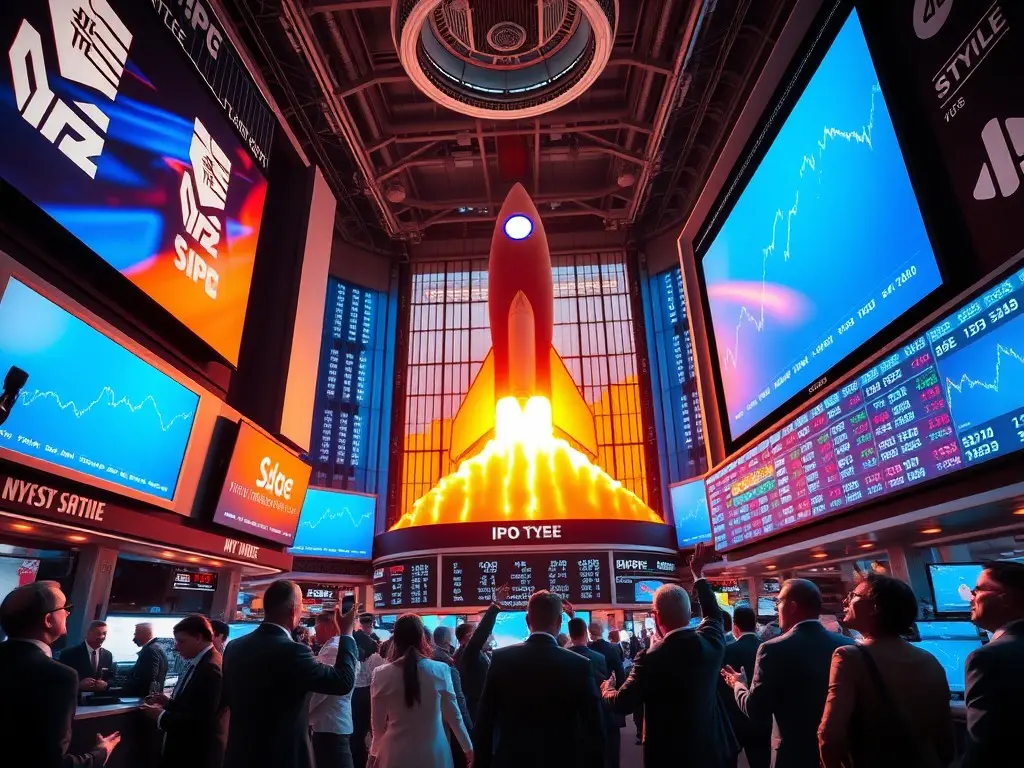
SpaceX shares surged 19% on their first trading day, marking one of the largest U.S. IPOs, with retail investors accounting for up to 30% of the offering and $453 million in purchases. The successful debut eased concerns about handling high trading volumes and may serve as a model for future large-scale IPOs, including potential AI company listings.
SpaceX’s stock market debut delivered a record-breaking performance, with shares rising 19% on the first day of trading. The offering became one of the largest U.S. IPOs, driven by unusually strong retail investor participation—up to 30% of shares were allocated to individual buyers, a rare allocation for such a high-profile listing. Retail investors played a dominant role, with net purchases totaling $453 million on the first day, accounting for 4% of all single-stock retail trading volume. Brokerages like SoFi and Charles Schwab reported unprecedented demand, with over 1 million orders placed within hours of trading. Citadel Securities noted the highest level of retail IPO order activity ever recorded for a public offering auction. The smooth execution of the IPO addressed concerns about whether exchanges and market makers could handle the massive order volume. Nasdaq successfully processed trades early, avoiding disruptions seen in Facebook’s 2012 IPO, which faced technical failures and delays. Adena Friedman, Nasdaq’s CEO, credited coordination among exchanges, brokerages, and underwriters for the seamless rollout. The success may set a precedent for future mega-IPOs, particularly in the AI sector, where companies like OpenAI—valued at around $300 billion—could follow similar paths. Wall Street firms and exchanges have already begun preparing for potential listings, viewing SpaceX’s debut as a blueprint for handling large-scale, high-profile offerings. Market participants highlighted the contrast with past IPO struggles, noting that SpaceX’s debut demonstrated improved infrastructure and investor confidence. The strong retail engagement also signaled a shift in how large companies approach public listings, potentially increasing accessibility for individual investors in future offerings.
This content was automatically generated and/or translated by AI. It may contain inaccuracies. Please refer to the original sources for verification.